
1. Raw Material Extraction and Sourcing
The supply chain begins with the extraction or harvesting of raw materials. These materials include:
Minerals (iron, copper, lithium)
Agricultural goods (wheat, cotton, soybeans)
Energy resources (oil, natural gas)
Forest products (timber, pulp)
Companies may source these materials from multiple countries to minimize cost, access better quality, or diversify risk. For example, lithium may come from Chile, cobalt from Congo, rubber from Thailand, and cotton from India. Sourcing decisions are influenced by prices, geopolitical relationships, trade policies, and environmental conditions.
Once extracted, raw materials are shipped to processing facilities through bulk cargo vessels, freight trains, or trucks.
2. Processing and Primary Manufacturing
The next stage is converting raw materials into usable inputs. This includes:
Oil → Plastics
Cotton → Yarn
Iron ore → Steel
Timber → Paper or fiberboard
Processing plants may be located in countries with:
Cheap labor
Access to natural resources
Established industrial infrastructure
Favorable tax policies
For instance, Southeast Asia and China are major hubs for primary manufacturing due to large skilled labor forces and efficient logistics.
Processed materials are then shipped to secondary or final manufacturing units, often across borders.
3. Component Manufacturing and Assembly
Most modern products consist of many components, each produced in specialized factories. A smartphone alone may have:
Chips from Taiwan
Screens from South Korea
Batteries from China
Cameras from Japan
Software from the U.S.
This stage involves:
CNC machining
Electronics fabrication
Chemical processing
Textile weaving
Automotive parts production
Manufacturers build components based on specifications provided by global brands. These components then move to assembly plants where the final product is built.
Global manufacturing hubs like China, Vietnam, India, Mexico, and Eastern Europe dominate this stage due to strong infrastructure and large workforce availability.
4. Global Transportation and Logistics
After components or assembled goods are ready, they need to move across borders. This involves:
Modes of Transport
Sea Freight
Cheapest and widely used for large volumes (containers, bulk cargo).
90% of world trade moves by sea.
Air Freight
Fastest but expensive. Used for electronics, perishables, and urgent shipments.
Rail Freight
Popular for trade between Europe–Asia via the Silk Route.
Road Transport
Essential for last-mile connectivity.
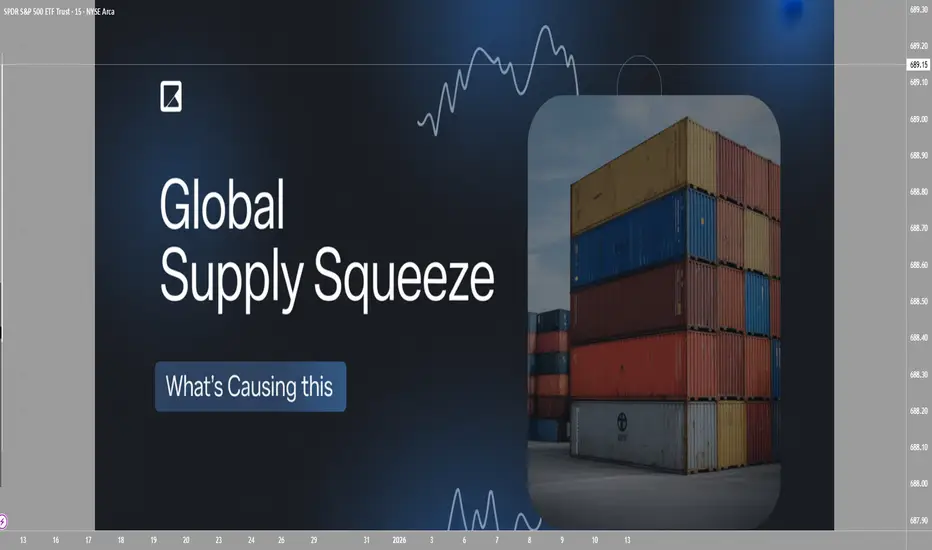
Shipping Containers
Standardized containers have revolutionized trade by allowing goods to seamlessly transition between ships, trucks, and trains. This intermodal system cut costs and reduced damage.
Ports and Customs
Goods pass through:
Export customs clearance
Transshipment hubs
Import customs clearance
This stage is heavily influenced by:
Trade regulations
Duty structures
Geopolitical relations
Port congestion
Documentation accuracy
Delays at customs can disrupt entire supply chains.
5. Warehousing and Distribution Centers
Once goods arrive in the destination region, they are stored in warehouses or distribution centers. These facilities perform:
Sorting and grading
Packaging or repackaging
Inventory management
Barcode/label printing
Quality checks
Modern warehouses use automated robots, RFID scanners, and data analytics for efficient operations.
Distribution centers are usually strategically located near major highways, ports, or airports to enable fast delivery to wholesalers, retailers, and online consumers.
Large companies like Amazon, Walmart, Flipkart, and Alibaba operate highly sophisticated fulfillment centers with AI-driven inventory systems.
6. Sales, Marketing, and Demand Management
This stage involves analyzing customer demand and planning inventory accordingly. Companies use:
Forecasting models
Market research
Data analytics
ERP systems
Accurate demand forecasting helps avoid:
Overstocking (causes high storage cost)
Stockouts (lost sales)
Production inefficiencies
Retailers and global brands rely on digital tools to align supply with changing consumer preferences.
7. Retail and Last-Mile Delivery
Finished goods are finally delivered to retailers, wholesalers, e-commerce warehouses, or directly to consumers. This involves:
Retail distribution networks
Online marketplaces
Courier services
Local transportation
Last-mile delivery is often the most expensive and time-consuming part of the supply chain, especially in urban areas with traffic congestion or rural areas with poor infrastructure.
E-commerce companies solve this through:
Micro-fulfillment centers
Hyperlocal delivery partners
AI route optimization
Cash-on-delivery logistics
8. After-Sales Services and Returns
The supply chain doesn’t end with delivery. After-sales activities include:
Warranty repairs
Return management
Replacement of defective products
Customer support
The reverse movement of goods—known as reverse logistics—is crucial for electronics, fashion, and e-commerce. Returned products may be:
Refurbished
Recycled
Resold
Disposed of responsibly
Efficient reverse logistics reduces waste and enhances customer satisfaction.
9. Recycling and Circular Supply Chains
As sustainability becomes a global priority, many companies now close the loop by recycling products. Examples:
Plastics → Recycled granules
Electronics → Recovered metals
Paper → Recycled pulp
Batteries → Reused chemicals
Circular supply chains reduce environmental impact and dependence on raw materials. Governments in Europe, the U.S., and Asia also push for extended producer responsibility (EPR) policies.
10. Digital Technologies Connecting the Supply Chain
Modern global supply chains increasingly rely on digital solutions for transparency and efficiency. Key technologies include:
Blockchain → Secure tracking of shipments
IoT sensors → Real-time temperature and location monitoring
AI & Machine Learning → Demand forecasting, route optimization
Robotics & Automation → Smart warehouses
Cloud platforms → Integrated supply chain management
Big data analytics → Reducing waste and cost
These technologies allow companies to respond faster to disruptions.
11. Risks and Disruptions in the Global Supply Chain
Global supply chains face many risks:
Geopolitical tensions (trade wars, sanctions)
Natural disasters (floods, earthquakes, pandemics)
Port congestions
Labor strikes
Currency fluctuations
Inflation in shipping costs
Regulatory changes
Events like COVID-19, the Suez Canal blockage, and U.S.–China tensions showed how vulnerable global trade systems can be. Companies now diversify suppliers and build resilient, multi-country networks.
Conclusion
The global supply chain sequence is a complex network involving raw materials, manufacturing, global transportation, warehousing, distribution, retail, and reverse logistics. Supported by modern technologies, each stage plays a vital role in ensuring products move efficiently from one part of the world to another. As globalization advances and digital transformation accelerates, supply chains are becoming smarter, faster, and more interconnected than ever before—yet they remain sensitive to global risks and require continuous adaptation.

منشورات ذات صلة
إخلاء المسؤولية
لا يُقصد بالمعلومات والمنشورات أن تكون، أو تشكل، أي نصيحة مالية أو استثمارية أو تجارية أو أنواع أخرى من النصائح أو التوصيات المقدمة أو المعتمدة من TradingView. اقرأ المزيد في شروط الاستخدام.
منشورات ذات صلة
إخلاء المسؤولية
لا يُقصد بالمعلومات والمنشورات أن تكون، أو تشكل، أي نصيحة مالية أو استثمارية أو تجارية أو أنواع أخرى من النصائح أو التوصيات المقدمة أو المعتمدة من TradingView. اقرأ المزيد في شروط الاستخدام.