

Coinbase recently reported a staggering $667 million loss for the final quarter. Despite missing several analyst targets, the stock surged as investors recognized an attractive entry point. Market experts remain divided on whether the company represents a bargain or a high-risk gamble.
The Technological Moat and Patent Strategy
Coinbase maintains its dominance through aggressive high-tech development and a robust patent portfolio. Patent analysis reveals a strategic focus on cryptographic security and automated clearing systems. These innovations streamline decentralized finance (DeFi) while protecting users from sophisticated cyber attacks.
The company invests heavily in "Base," its proprietary Layer 2 scaling solution. This technology demonstrates a science-driven approach to blockchain efficiency. By securing intellectual property in cross-chain communication, Coinbase builds a significant competitive moat against traditional financial institutions.
Geopolitics and the Cyber Security Frontier
Geostrategy plays a pivotal role in Coinbase’s current market fluctuations. Global security agencies recently identified cryptocurrency links to illicit financing networks in Africa and Asia. Reports suggest criminal organizations use digital assets for human trafficking and state-sponsored shadow banking.
Coinbase must navigate these treacherous waters with advanced cybersecurity protocols. Investigators currently monitor potential interference in global crypto-security frameworks by hostile state actors. The company’s ability to prevent illicit usage directly impacts its long-term viability and regulatory standing.
Macroeconomics and Business Model Evolution
High interest rates and persistent inflation continue to dampen retail trading volumes. To counter this, Coinbase is shifting its business model toward subscription and services revenue. This transition reduces dependence on volatile transaction fees during bearish economic cycles.
The company’s economic strategy emphasizes institutional adoption through its custody services. Providing secure storage for large-scale investors offers a stable revenue stream. This diversification helps the firm weather macroeconomic storms that sink smaller competitors.
Leadership, Culture, and Industry Trends
CEO Brian Armstrong maintains an assertive, pro-innovation culture within the organization. He frequently defends the industry against critics from traditional banking sectors. This leadership style attracts top-tier engineering talent but also invites intense regulatory scrutiny.
Recent advertising bans in international markets highlight the friction between crypto-innovation and traditional governance. Coinbase faces the challenge of maintaining its "disruptor" identity while satisfying global compliance standards. The firm's success depends on balancing bold leadership with institutional transparency.
USD/INR Strategy: Tech Volatility and Geopolitics
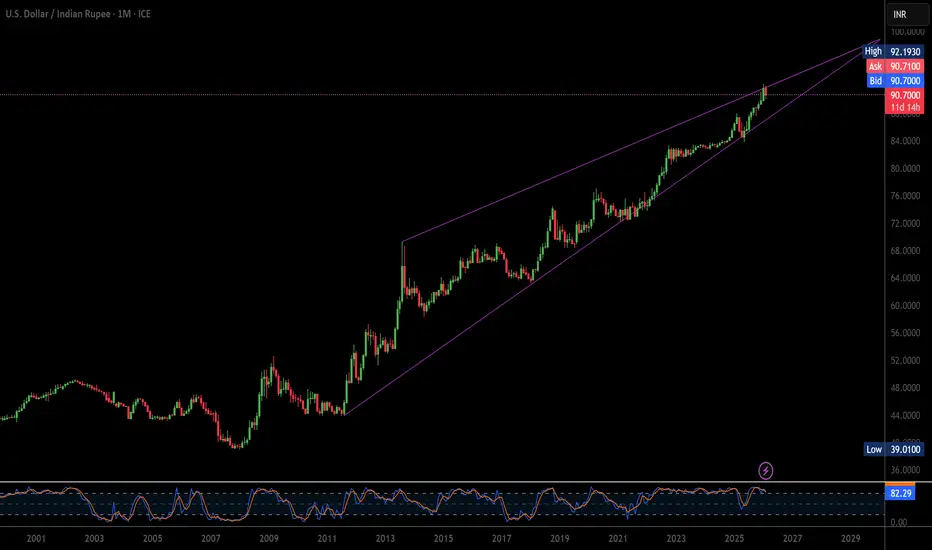
The USD/INR pair rose sharply as Indian IT stocks experienced a significant sell-off recently. Foreign investors are pulling capital, fearing further equity downside in the high-tech sector. This shift creates immediate pressure on the Rupee despite the central bank’s steady intervention.
Geopolitics and the Energy Pivot
Geopolitical tensions complicate the India-US trade relationship today. Current negotiations regarding tariff cuts remain stalled by a costly energy pivot. India’s transition to greener energy requires massive capital imports to succeed.
These high costs offset potential gains from trade deals. This imbalance weighs heavily on the currency pair. Geostrategy now dictates that energy independence is essential for currency stability.
IT Industry Trends and High-Tech Outflows
India’s IT sector serves as the primary gateway for foreign exchange. Recent declines in high-tech stock valuations signal a shift in global investor sentiment. Industry trends suggest a cooling demand for traditional outsourcing models.
Markets now favor companies that prioritize rapid AI integration. They also reward firms focused on intellectual property development. When IT stocks bleed, the Rupee loses its strongest structural support.
Science, Patents, and Cyber Security
Patent analysis shows a surge in Indian firms filing for decentralized security protocols. However, cybersecurity threats remain a critical risk for financial stability. Sophisticated attacks on payment gateways can trigger sudden currency volatility.
Strong technological moats are essential for maintaining a resilient national currency. Science-driven innovation in encryption helps protect the financial ecosystem. Without robust cyber defenses, foreign capital remains hesitant to stay.
Macroeconomics and Central Bank Leadership
Central bank leadership determines the Rupee’s long-term trajectory. The Reserve Bank of India manages volatility with assertive market interventions. Meanwhile, US macroeconomic strength keeps the Dollar dominant globally.
Management must balance inflation control with competitive export pricing. Leadership teams face diverging economic paths in a post-globalization world. This divergence fuels the current fluctuations in the USD/INR exchange rate.
Business Models and Corporate Culture
Innovative business models are emerging to hedge against currency fluctuations. Indian startups are increasingly adopting global-first cultures to attract international venture capital. This influx of foreign direct investment provides a necessary buffer for the Rupee.
Management teams now view currency risk as a core strategic pillar. Companies that innovate their internal culture often see higher retention of foreign investment. A culture of innovation stabilizes the broader economic environment.
The Technological Moat and Patent Strategy
Coinbase maintains its dominance through aggressive high-tech development and a robust patent portfolio. Patent analysis reveals a strategic focus on cryptographic security and automated clearing systems. These innovations streamline decentralized finance (DeFi) while protecting users from sophisticated cyber attacks.
The company invests heavily in "Base," its proprietary Layer 2 scaling solution. This technology demonstrates a science-driven approach to blockchain efficiency. By securing intellectual property in cross-chain communication, Coinbase builds a significant competitive moat against traditional financial institutions.
Geopolitics and the Cyber Security Frontier
Geostrategy plays a pivotal role in Coinbase’s current market fluctuations. Global security agencies recently identified cryptocurrency links to illicit financing networks in Africa and Asia. Reports suggest criminal organizations use digital assets for human trafficking and state-sponsored shadow banking.
Coinbase must navigate these treacherous waters with advanced cybersecurity protocols. Investigators currently monitor potential interference in global crypto-security frameworks by hostile state actors. The company’s ability to prevent illicit usage directly impacts its long-term viability and regulatory standing.
Macroeconomics and Business Model Evolution
High interest rates and persistent inflation continue to dampen retail trading volumes. To counter this, Coinbase is shifting its business model toward subscription and services revenue. This transition reduces dependence on volatile transaction fees during bearish economic cycles.
The company’s economic strategy emphasizes institutional adoption through its custody services. Providing secure storage for large-scale investors offers a stable revenue stream. This diversification helps the firm weather macroeconomic storms that sink smaller competitors.
Leadership, Culture, and Industry Trends
CEO Brian Armstrong maintains an assertive, pro-innovation culture within the organization. He frequently defends the industry against critics from traditional banking sectors. This leadership style attracts top-tier engineering talent but also invites intense regulatory scrutiny.
Recent advertising bans in international markets highlight the friction between crypto-innovation and traditional governance. Coinbase faces the challenge of maintaining its "disruptor" identity while satisfying global compliance standards. The firm's success depends on balancing bold leadership with institutional transparency.
USD/INR Strategy: Tech Volatility and Geopolitics
The USD/INR pair rose sharply as Indian IT stocks experienced a significant sell-off recently. Foreign investors are pulling capital, fearing further equity downside in the high-tech sector. This shift creates immediate pressure on the Rupee despite the central bank’s steady intervention.
Geopolitics and the Energy Pivot
Geopolitical tensions complicate the India-US trade relationship today. Current negotiations regarding tariff cuts remain stalled by a costly energy pivot. India’s transition to greener energy requires massive capital imports to succeed.
These high costs offset potential gains from trade deals. This imbalance weighs heavily on the currency pair. Geostrategy now dictates that energy independence is essential for currency stability.
IT Industry Trends and High-Tech Outflows
India’s IT sector serves as the primary gateway for foreign exchange. Recent declines in high-tech stock valuations signal a shift in global investor sentiment. Industry trends suggest a cooling demand for traditional outsourcing models.
Markets now favor companies that prioritize rapid AI integration. They also reward firms focused on intellectual property development. When IT stocks bleed, the Rupee loses its strongest structural support.
Science, Patents, and Cyber Security
Patent analysis shows a surge in Indian firms filing for decentralized security protocols. However, cybersecurity threats remain a critical risk for financial stability. Sophisticated attacks on payment gateways can trigger sudden currency volatility.
Strong technological moats are essential for maintaining a resilient national currency. Science-driven innovation in encryption helps protect the financial ecosystem. Without robust cyber defenses, foreign capital remains hesitant to stay.
Macroeconomics and Central Bank Leadership
Central bank leadership determines the Rupee’s long-term trajectory. The Reserve Bank of India manages volatility with assertive market interventions. Meanwhile, US macroeconomic strength keeps the Dollar dominant globally.
Management must balance inflation control with competitive export pricing. Leadership teams face diverging economic paths in a post-globalization world. This divergence fuels the current fluctuations in the USD/INR exchange rate.
Business Models and Corporate Culture
Innovative business models are emerging to hedge against currency fluctuations. Indian startups are increasingly adopting global-first cultures to attract international venture capital. This influx of foreign direct investment provides a necessary buffer for the Rupee.
Management teams now view currency risk as a core strategic pillar. Companies that innovate their internal culture often see higher retention of foreign investment. A culture of innovation stabilizes the broader economic environment.

The5ers Funding Forex Traders & Growth Program. Get Funded with up to $2.56M
We Trade Forex - Come Join Us!
the5ers.com
We Trade Forex - Come Join Us!
the5ers.com
Aviso legal
As informações e publicações não se destinam a ser, e não constituem, conselhos ou recomendações financeiras, de investimento, comerciais ou de outro tipo fornecidos ou endossados pela TradingView. Leia mais nos Termos de Uso.
The5ers Funding Forex Traders & Growth Program. Get Funded with up to $2.56M
We Trade Forex - Come Join Us!
the5ers.com
We Trade Forex - Come Join Us!
the5ers.com
Aviso legal
As informações e publicações não se destinam a ser, e não constituem, conselhos ou recomendações financeiras, de investimento, comerciais ou de outro tipo fornecidos ou endossados pela TradingView. Leia mais nos Termos de Uso.