
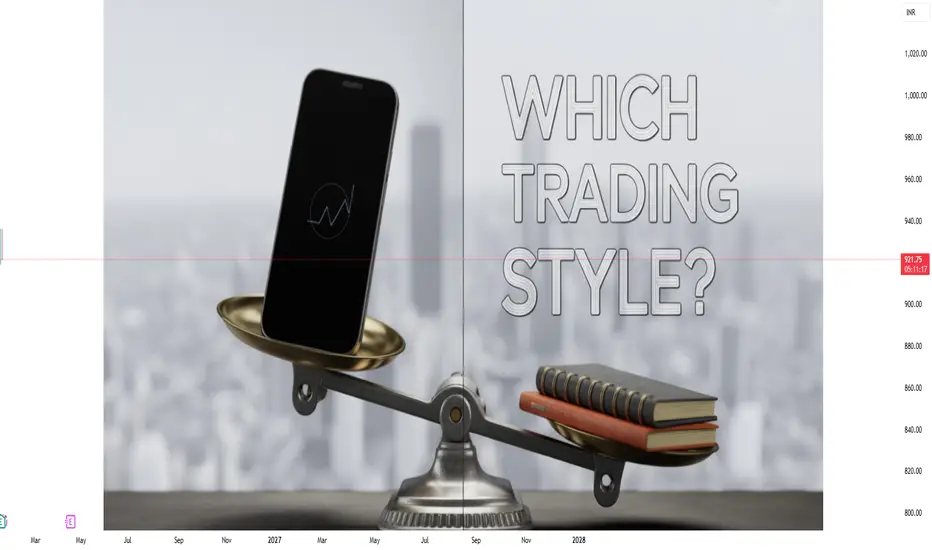
Which Trading Style Is Best?
Trading in financial markets is not a one-size-fits-all activity. Every trader has different goals, risk tolerance, time availability, capital size, and psychological makeup. Because of these differences, multiple trading styles have evolved over time. The most important question for any trader—especially beginners—is not which trading style is the most profitable, but which trading style suits me best. Choosing the right trading style can significantly improve consistency, discipline, and long-term success.
Understanding Trading Styles
A trading style refers to the method and timeframe a trader uses to enter and exit the market. It determines how long trades are held, how frequently trades are taken, and how much risk is assumed per trade. Trading styles range from ultra-short-term approaches that last seconds or minutes to long-term strategies that span months or even years.
The most common trading styles include scalping, day trading, swing trading, position trading, and long-term investing. Each style has its own advantages, disadvantages, and suitability depending on the trader’s personality and lifestyle.
Scalping: Fast-Paced and High Intensity
Scalping is the shortest-term trading style. Scalpers aim to profit from very small price movements, often holding trades for seconds or minutes. They execute multiple trades in a single session, relying heavily on technical indicators, order flow, and high liquidity.
This style requires intense focus, quick decision-making, and the ability to handle stress. Scalping suits traders who can monitor markets continuously, have access to low brokerage costs, fast execution platforms, and strict discipline. While individual profits per trade are small, consistency and volume can lead to meaningful returns. However, transaction costs, emotional fatigue, and overtrading are major risks.
Day Trading: Intraday Opportunities
Day trading involves opening and closing all positions within the same trading day. Traders aim to capitalize on intraday volatility while avoiding overnight risks such as global news or gaps.
Day traders typically use technical analysis, chart patterns, volume, and indicators like VWAP, RSI, and moving averages. This style suits individuals who can dedicate several hours daily to the market and prefer quick feedback on their performance. Day trading offers flexibility and frequent opportunities, but it also demands discipline, risk management, and emotional control. Without a structured plan, losses can accumulate rapidly.
Swing Trading: Balance Between Time and Opportunity
Swing trading is one of the most popular trading styles, especially among retail traders. Swing traders hold positions for a few days to a few weeks, aiming to capture medium-term price movements or “swings” within a trend.
This style requires less screen time compared to day trading and allows traders to combine technical analysis with basic fundamentals. Swing trading is suitable for individuals who have jobs or other commitments but can analyze charts during evenings or weekends. While overnight risk exists, it is often manageable with proper position sizing and stop-loss placement. Swing trading offers a good balance between opportunity, time commitment, and stress levels.
Position Trading: Long-Term Market Participation
Position trading is a longer-term trading style where positions are held for weeks, months, or even years. Traders focus on major trends driven by economic cycles, sector performance, and company fundamentals.
This approach requires patience and a strong understanding of macroeconomic factors, financial statements, and long-term technical structures. Position trading suits individuals who prefer fewer decisions, lower trading frequency, and a calm approach to markets. Short-term volatility is largely ignored, which reduces emotional stress. However, capital may remain tied up for extended periods, and trend reversals can impact returns if not monitored carefully.
Long-Term Investing: Wealth Creation Focus
Although technically different from trading, long-term investing is often considered a trading style by market participants. Investors buy assets with the intention of holding them for several years, benefiting from compounding, dividends, and economic growth.
This style suits individuals seeking steady wealth creation with minimal daily involvement. It relies more on fundamental analysis, business quality, and long-term economic outlook rather than short-term price movements. Long-term investing carries lower transaction costs and emotional pressure but requires patience and the ability to endure market cycles.
How to Choose the Right Trading Style
The best trading style depends on several personal factors. Time availability is critical—if you cannot monitor markets during trading hours, intraday styles may not suit you. Risk tolerance also matters; shorter-term styles often involve higher emotional and financial stress. Capital size, brokerage costs, and access to technology play a role as well.
Equally important is psychology. Some traders thrive in fast-paced environments, while others perform better with slower, more deliberate decision-making. A trading style aligned with your personality increases consistency and reduces impulsive behavior.
Conclusion
There is no universally “best” trading style. The best trading style is the one that aligns with your goals, lifestyle, risk tolerance, and mindset. Scalping and day trading offer speed and excitement but demand high discipline and focus. Swing and position trading provide flexibility and balance, while long-term investing emphasizes stability and wealth creation.
Successful traders are not defined by how often they trade, but by how well their trading style fits them. Understanding yourself is just as important as understanding the market. When your trading style matches your personality and resources, long-term success becomes far more achievable.
Trading in financial markets is not a one-size-fits-all activity. Every trader has different goals, risk tolerance, time availability, capital size, and psychological makeup. Because of these differences, multiple trading styles have evolved over time. The most important question for any trader—especially beginners—is not which trading style is the most profitable, but which trading style suits me best. Choosing the right trading style can significantly improve consistency, discipline, and long-term success.
Understanding Trading Styles
A trading style refers to the method and timeframe a trader uses to enter and exit the market. It determines how long trades are held, how frequently trades are taken, and how much risk is assumed per trade. Trading styles range from ultra-short-term approaches that last seconds or minutes to long-term strategies that span months or even years.
The most common trading styles include scalping, day trading, swing trading, position trading, and long-term investing. Each style has its own advantages, disadvantages, and suitability depending on the trader’s personality and lifestyle.
Scalping: Fast-Paced and High Intensity
Scalping is the shortest-term trading style. Scalpers aim to profit from very small price movements, often holding trades for seconds or minutes. They execute multiple trades in a single session, relying heavily on technical indicators, order flow, and high liquidity.
This style requires intense focus, quick decision-making, and the ability to handle stress. Scalping suits traders who can monitor markets continuously, have access to low brokerage costs, fast execution platforms, and strict discipline. While individual profits per trade are small, consistency and volume can lead to meaningful returns. However, transaction costs, emotional fatigue, and overtrading are major risks.
Day Trading: Intraday Opportunities
Day trading involves opening and closing all positions within the same trading day. Traders aim to capitalize on intraday volatility while avoiding overnight risks such as global news or gaps.
Day traders typically use technical analysis, chart patterns, volume, and indicators like VWAP, RSI, and moving averages. This style suits individuals who can dedicate several hours daily to the market and prefer quick feedback on their performance. Day trading offers flexibility and frequent opportunities, but it also demands discipline, risk management, and emotional control. Without a structured plan, losses can accumulate rapidly.
Swing Trading: Balance Between Time and Opportunity
Swing trading is one of the most popular trading styles, especially among retail traders. Swing traders hold positions for a few days to a few weeks, aiming to capture medium-term price movements or “swings” within a trend.
This style requires less screen time compared to day trading and allows traders to combine technical analysis with basic fundamentals. Swing trading is suitable for individuals who have jobs or other commitments but can analyze charts during evenings or weekends. While overnight risk exists, it is often manageable with proper position sizing and stop-loss placement. Swing trading offers a good balance between opportunity, time commitment, and stress levels.
Position Trading: Long-Term Market Participation
Position trading is a longer-term trading style where positions are held for weeks, months, or even years. Traders focus on major trends driven by economic cycles, sector performance, and company fundamentals.
This approach requires patience and a strong understanding of macroeconomic factors, financial statements, and long-term technical structures. Position trading suits individuals who prefer fewer decisions, lower trading frequency, and a calm approach to markets. Short-term volatility is largely ignored, which reduces emotional stress. However, capital may remain tied up for extended periods, and trend reversals can impact returns if not monitored carefully.
Long-Term Investing: Wealth Creation Focus
Although technically different from trading, long-term investing is often considered a trading style by market participants. Investors buy assets with the intention of holding them for several years, benefiting from compounding, dividends, and economic growth.
This style suits individuals seeking steady wealth creation with minimal daily involvement. It relies more on fundamental analysis, business quality, and long-term economic outlook rather than short-term price movements. Long-term investing carries lower transaction costs and emotional pressure but requires patience and the ability to endure market cycles.
How to Choose the Right Trading Style
The best trading style depends on several personal factors. Time availability is critical—if you cannot monitor markets during trading hours, intraday styles may not suit you. Risk tolerance also matters; shorter-term styles often involve higher emotional and financial stress. Capital size, brokerage costs, and access to technology play a role as well.
Equally important is psychology. Some traders thrive in fast-paced environments, while others perform better with slower, more deliberate decision-making. A trading style aligned with your personality increases consistency and reduces impulsive behavior.
Conclusion
There is no universally “best” trading style. The best trading style is the one that aligns with your goals, lifestyle, risk tolerance, and mindset. Scalping and day trading offer speed and excitement but demand high discipline and focus. Swing and position trading provide flexibility and balance, while long-term investing emphasizes stability and wealth creation.
Successful traders are not defined by how often they trade, but by how well their trading style fits them. Understanding yourself is just as important as understanding the market. When your trading style matches your personality and resources, long-term success becomes far more achievable.

Verbundene Veröffentlichungen
Haftungsausschluss
Die Informationen und Veröffentlichungen sind nicht als Finanz-, Anlage-, Handels- oder andere Arten von Ratschlägen oder Empfehlungen gedacht, die von TradingView bereitgestellt oder gebilligt werden, und stellen diese nicht dar. Lesen Sie mehr in den Nutzungsbedingungen.
Verbundene Veröffentlichungen
Haftungsausschluss
Die Informationen und Veröffentlichungen sind nicht als Finanz-, Anlage-, Handels- oder andere Arten von Ratschlägen oder Empfehlungen gedacht, die von TradingView bereitgestellt oder gebilligt werden, und stellen diese nicht dar. Lesen Sie mehr in den Nutzungsbedingungen.