
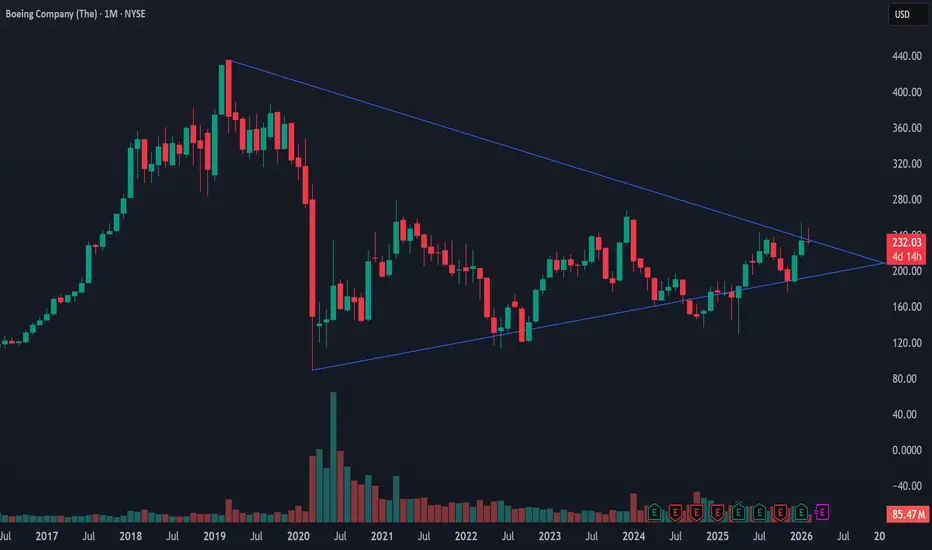
The Genesis of Deep Space Artillery
A Boeing engineer first conceptualized orbital kinetic weapons during the late 1950s. This initiative earned the moniker Project Thor. The design utilizes massive tungsten cylinders dropped from space. These projectiles strike the Earth with unimaginable force. They require no explosive payload. The destructive power comes entirely from extreme velocity. This visionary science bridges historical aerospace engineering with modern military demands. Global powers now revisit these blueprints. Boeing's early innovation secures its place in future defense discussions.
Geopolitics and Strategic Loopholes
The 1967 Outer Space Treaty forbids placing weapons of mass destruction in orbit. It strictly bans nuclear and biological threats. However, it ignores conventional kinetic projectiles completely. This glaring omission creates a unique geostrategic advantage. Nations aggressively pursue prompt global strike capabilities. Military leaders recognize the value of uninterceptable deterrence. Boeing possesses the foundational knowledge to capitalize on this loophole. They can dominate the next generation of space defense architecture.
Macroeconomics Meet Orbital Mechanics
Historically, astronomical launch costs killed Project Thor. Lifting heavy metal into orbit bankrupted defense budgets. Today, reusable rocket technology revolutionizes aerospace economics. Launching heavy payloads is finally cost-effective. This macroeconomic shift revives dormant defense concepts. Investors monitor Boeing’s space division closely. Cheaper space access directly impacts the company's long-term business models. Orbital weapons are transitioning from financial liabilities to viable strategic assets.
Patents, Innovation, and High-Tech Solutions
Developing these weapons demands elite technological innovation. Boeing aggressively files patents for hypersonic reentry vehicles. They refine advanced guidance mechanisms and kinetic interceptors. Their prior work demonstrates undeniable expertise in targeting. Directing a projectile traveling at terminal velocity requires perfect precision. Analysts scrutinize these patent portfolios regularly. They reveal a corporate culture deeply invested in next-generation warfare. Boeing’s intellectual property acts as an economic moat.
Defending the Digital Frontier
Kinetic weapons rely heavily on secure satellite communications. Cybersecurity represents the most significant vulnerability. Hackers could potentially hijack targeting systems or disrupt command links. Boeing management must prioritize impenetrable network defenses. They integrate high-tech encryption into their orbital platforms. Digital sovereignty is non-negotiable for space-based artillery. Effective leadership requires staying ahead of sophisticated cyber threats. The company integrates software and hardware defenses seamlessly.
Leadership in the Space 2.0 Era
Modern aerospace demands extreme corporate agility. Traditional defense contractors face fierce competition from disruptive startups. Boeing executives must pivot their strategic focus. They are shifting from legacy aviation toward space-centric operations. This transition requires dynamic management and a culture of rapid prototyping. Harnessing the "Rods from God" concept demands bold leadership. Boeing's ability to dominate this sector influences its future market dominance.

Stock N Roll!
Exención de responsabilidad
La información y las publicaciones no constituyen, ni deben considerarse como, asesoramiento o recomendaciones financieras, de inversión, de trading u otro tipo, proporcionadas o respaldadas por TradingView. Obtenga más información en Condiciones de uso.
Stock N Roll!
Exención de responsabilidad
La información y las publicaciones no constituyen, ni deben considerarse como, asesoramiento o recomendaciones financieras, de inversión, de trading u otro tipo, proporcionadas o respaldadas por TradingView. Obtenga más información en Condiciones de uso.