
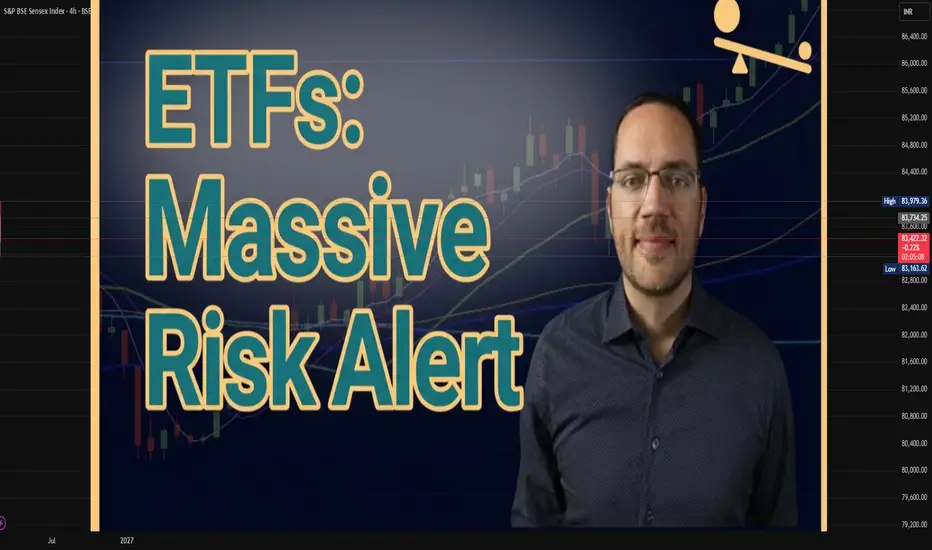
Margin Trading: Overview and Risks
Margin trading involves borrowing money from a brokerage firm to purchase securities. The investor provides a portion of the total investment (the “initial margin”), and the broker lends the rest. The purchased securities serve as collateral for the loan.
1. Amplified Losses
The most obvious risk of margin trading is that losses are magnified. While leverage can increase gains, it equally increases losses. For example, if an investor uses 2:1 leverage and the investment falls 25%, the investor’s equity may decline by 50%, not 25%. Losses can exceed the original capital invested.
2. Margin Calls
When the value of securities in a margin account drops below a required threshold (maintenance margin), the broker issues a margin call. This requires the investor to deposit additional funds or liquidate assets to restore required equity levels. If the investor cannot meet the call promptly, the broker may sell securities without notice.
Margin calls often occur during market downturns, when asset prices are falling rapidly. This can force investors to sell at the worst possible time, locking in losses.
3. Interest Costs
Margin loans accrue interest daily. The longer a position is held, the more interest accumulates. High interest rates significantly increase the cost of maintaining leveraged positions. Even if the investment performs moderately well, interest expenses may erode profits.
4. Forced Liquidation Risk
Brokerage firms have the right to liquidate positions in margin accounts without consulting the investor. They are not obligated to wait for favorable market conditions. This creates additional uncertainty and reduces investor control.
5. Volatility Sensitivity
Margin trading is highly sensitive to volatility. Even short-term price swings can trigger margin calls, even if the long-term investment thesis remains intact. In volatile markets, leveraged positions may be difficult to maintain.
6. Psychological Stress
Leverage intensifies emotional pressure. Watching amplified losses can lead to panic selling or impulsive decisions. The psychological toll of leveraged trading often leads to poor risk management.
Leveraged ETFs: Overview and Risks
Leveraged Exchange-Traded Funds (ETFs) are designed to deliver a multiple (e.g., 2x or 3x) of the daily performance of an underlying index. For example, a 2x S&P 500 leveraged ETF aims to return twice the daily percentage change of the S&P 500.
Unlike margin trading, leveraged ETFs embed leverage within the fund structure itself, using derivatives such as swaps and futures contracts.
1. Daily Reset and Compounding Risk
Leveraged ETFs reset daily. They aim to deliver a multiple of the daily return, not the long-term return. Due to compounding effects, performance over longer periods can deviate significantly from the expected multiple.
In volatile markets, this can result in “volatility decay,” where the ETF loses value even if the underlying index ends unchanged over time. For example, alternating gains and losses can erode the fund’s value due to compounding mathematics.
2. Volatility Drag
Volatility drag is particularly harmful for leveraged ETFs. Consider a simple scenario: if an index falls 10% one day and rises 10% the next, it does not return to its original level. Leveraged ETFs magnify this effect, leading to greater erosion over time.
The higher the leverage (e.g., 3x), the greater the volatility impact.
3. Tracking Error
Leveraged ETFs may not perfectly track their target multiple due to transaction costs, derivative pricing inefficiencies, and management fees. Over time, this tracking error can widen.
4. Higher Expense Ratios
Leveraged ETFs generally have higher management fees compared to traditional ETFs. These costs compound over time, reducing returns.
5. Counterparty Risk
Because leveraged ETFs use derivatives like swaps, they expose investors to counterparty risk. If the financial institution providing the derivative contract defaults, the ETF could suffer losses.
6. Liquidity Risk
Some leveraged ETFs have lower trading volumes compared to standard ETFs. This may result in wider bid-ask spreads and increased transaction costs, particularly during periods of market stress.
Comparison of Margin Trading and Leveraged ETFs
While both strategies involve leverage, their risk profiles differ.
Margin trading gives investors direct control over borrowed funds and positions. However, it introduces margin calls and direct loan obligations.
Leveraged ETFs eliminate margin calls but introduce compounding and path dependency risks. Investors may not receive the expected multiple return over time, particularly in volatile markets.
Both strategies amplify exposure and require careful monitoring.
Systemic and Market Risks
During periods of extreme market stress, leverage can exacerbate market volatility. Forced selling from margin calls can accelerate market declines. Similarly, leveraged ETFs may rebalance daily, buying into rising markets and selling into falling markets, potentially amplifying short-term price swings.
Regulators have raised concerns about the impact of leveraged products on market stability, particularly during sharp downturns.
Risk Management Considerations
Investors considering margin or leveraged ETFs should implement strict risk management strategies:
Use lower leverage ratios.
Maintain cash reserves to meet potential margin calls.
Monitor positions daily.
Use stop-loss orders cautiously.
Understand product structure before investing.
Avoid holding leveraged ETFs for long-term buy-and-hold strategies unless fully aware of compounding risks.
Professional traders often use these tools for short-term tactical trades rather than long-term investments.
Suitability and Investor Profile
Margin trading and leveraged ETFs are generally suitable for experienced investors with high risk tolerance, strong understanding of derivatives, and active portfolio management capability.
They are typically inappropriate for conservative investors, retirees, or those without the ability to withstand substantial losses.
Financial literacy and discipline are critical. Investors must fully understand that leverage does not change the probability of success; it only magnifies outcomes.
Conclusion
Margin trading and leveraged ETFs offer the potential for enhanced returns but come with significant and often underestimated risks. Amplified losses, margin calls, volatility decay, tracking error, and psychological pressure can quickly erode capital.
Leverage is a powerful financial tool, but it demands careful use. Without disciplined risk management and deep understanding, leveraged strategies can result in rapid and substantial losses. Investors should carefully evaluate their objectives, risk tolerance, and market conditions before engaging in leveraged investing.
Ultimately, while leverage can accelerate wealth creation, it can just as easily accelerate wealth destruction.
Margin trading involves borrowing money from a brokerage firm to purchase securities. The investor provides a portion of the total investment (the “initial margin”), and the broker lends the rest. The purchased securities serve as collateral for the loan.
1. Amplified Losses
The most obvious risk of margin trading is that losses are magnified. While leverage can increase gains, it equally increases losses. For example, if an investor uses 2:1 leverage and the investment falls 25%, the investor’s equity may decline by 50%, not 25%. Losses can exceed the original capital invested.
2. Margin Calls
When the value of securities in a margin account drops below a required threshold (maintenance margin), the broker issues a margin call. This requires the investor to deposit additional funds or liquidate assets to restore required equity levels. If the investor cannot meet the call promptly, the broker may sell securities without notice.
Margin calls often occur during market downturns, when asset prices are falling rapidly. This can force investors to sell at the worst possible time, locking in losses.
3. Interest Costs
Margin loans accrue interest daily. The longer a position is held, the more interest accumulates. High interest rates significantly increase the cost of maintaining leveraged positions. Even if the investment performs moderately well, interest expenses may erode profits.
4. Forced Liquidation Risk
Brokerage firms have the right to liquidate positions in margin accounts without consulting the investor. They are not obligated to wait for favorable market conditions. This creates additional uncertainty and reduces investor control.
5. Volatility Sensitivity
Margin trading is highly sensitive to volatility. Even short-term price swings can trigger margin calls, even if the long-term investment thesis remains intact. In volatile markets, leveraged positions may be difficult to maintain.
6. Psychological Stress
Leverage intensifies emotional pressure. Watching amplified losses can lead to panic selling or impulsive decisions. The psychological toll of leveraged trading often leads to poor risk management.
Leveraged ETFs: Overview and Risks
Leveraged Exchange-Traded Funds (ETFs) are designed to deliver a multiple (e.g., 2x or 3x) of the daily performance of an underlying index. For example, a 2x S&P 500 leveraged ETF aims to return twice the daily percentage change of the S&P 500.
Unlike margin trading, leveraged ETFs embed leverage within the fund structure itself, using derivatives such as swaps and futures contracts.
1. Daily Reset and Compounding Risk
Leveraged ETFs reset daily. They aim to deliver a multiple of the daily return, not the long-term return. Due to compounding effects, performance over longer periods can deviate significantly from the expected multiple.
In volatile markets, this can result in “volatility decay,” where the ETF loses value even if the underlying index ends unchanged over time. For example, alternating gains and losses can erode the fund’s value due to compounding mathematics.
2. Volatility Drag
Volatility drag is particularly harmful for leveraged ETFs. Consider a simple scenario: if an index falls 10% one day and rises 10% the next, it does not return to its original level. Leveraged ETFs magnify this effect, leading to greater erosion over time.
The higher the leverage (e.g., 3x), the greater the volatility impact.
3. Tracking Error
Leveraged ETFs may not perfectly track their target multiple due to transaction costs, derivative pricing inefficiencies, and management fees. Over time, this tracking error can widen.
4. Higher Expense Ratios
Leveraged ETFs generally have higher management fees compared to traditional ETFs. These costs compound over time, reducing returns.
5. Counterparty Risk
Because leveraged ETFs use derivatives like swaps, they expose investors to counterparty risk. If the financial institution providing the derivative contract defaults, the ETF could suffer losses.
6. Liquidity Risk
Some leveraged ETFs have lower trading volumes compared to standard ETFs. This may result in wider bid-ask spreads and increased transaction costs, particularly during periods of market stress.
Comparison of Margin Trading and Leveraged ETFs
While both strategies involve leverage, their risk profiles differ.
Margin trading gives investors direct control over borrowed funds and positions. However, it introduces margin calls and direct loan obligations.
Leveraged ETFs eliminate margin calls but introduce compounding and path dependency risks. Investors may not receive the expected multiple return over time, particularly in volatile markets.
Both strategies amplify exposure and require careful monitoring.
Systemic and Market Risks
During periods of extreme market stress, leverage can exacerbate market volatility. Forced selling from margin calls can accelerate market declines. Similarly, leveraged ETFs may rebalance daily, buying into rising markets and selling into falling markets, potentially amplifying short-term price swings.
Regulators have raised concerns about the impact of leveraged products on market stability, particularly during sharp downturns.
Risk Management Considerations
Investors considering margin or leveraged ETFs should implement strict risk management strategies:
Use lower leverage ratios.
Maintain cash reserves to meet potential margin calls.
Monitor positions daily.
Use stop-loss orders cautiously.
Understand product structure before investing.
Avoid holding leveraged ETFs for long-term buy-and-hold strategies unless fully aware of compounding risks.
Professional traders often use these tools for short-term tactical trades rather than long-term investments.
Suitability and Investor Profile
Margin trading and leveraged ETFs are generally suitable for experienced investors with high risk tolerance, strong understanding of derivatives, and active portfolio management capability.
They are typically inappropriate for conservative investors, retirees, or those without the ability to withstand substantial losses.
Financial literacy and discipline are critical. Investors must fully understand that leverage does not change the probability of success; it only magnifies outcomes.
Conclusion
Margin trading and leveraged ETFs offer the potential for enhanced returns but come with significant and often underestimated risks. Amplified losses, margin calls, volatility decay, tracking error, and psychological pressure can quickly erode capital.
Leverage is a powerful financial tool, but it demands careful use. Without disciplined risk management and deep understanding, leveraged strategies can result in rapid and substantial losses. Investors should carefully evaluate their objectives, risk tolerance, and market conditions before engaging in leveraged investing.
Ultimately, while leverage can accelerate wealth creation, it can just as easily accelerate wealth destruction.

Hye Guys,Welcome to a professional trading journey built on precision, discipline, and smart money concepts.
📞 Phone: +91 93159 78955
💬 WhatsApp: wa.link/kdkejz
📩 Contact Mail: globalwolfstreet@gmail.com
📞 Phone: +91 93159 78955
💬 WhatsApp: wa.link/kdkejz
📩 Contact Mail: globalwolfstreet@gmail.com
Publicaciones relacionadas
Exención de responsabilidad
La información y las publicaciones no constituyen, ni deben considerarse como, asesoramiento o recomendaciones financieras, de inversión, de trading u otro tipo, proporcionadas o respaldadas por TradingView. Obtenga más información en Condiciones de uso.
Hye Guys,Welcome to a professional trading journey built on precision, discipline, and smart money concepts.
📞 Phone: +91 93159 78955
💬 WhatsApp: wa.link/kdkejz
📩 Contact Mail: globalwolfstreet@gmail.com
📞 Phone: +91 93159 78955
💬 WhatsApp: wa.link/kdkejz
📩 Contact Mail: globalwolfstreet@gmail.com
Publicaciones relacionadas
Exención de responsabilidad
La información y las publicaciones no constituyen, ni deben considerarse como, asesoramiento o recomendaciones financieras, de inversión, de trading u otro tipo, proporcionadas o respaldadas por TradingView. Obtenga más información en Condiciones de uso.