
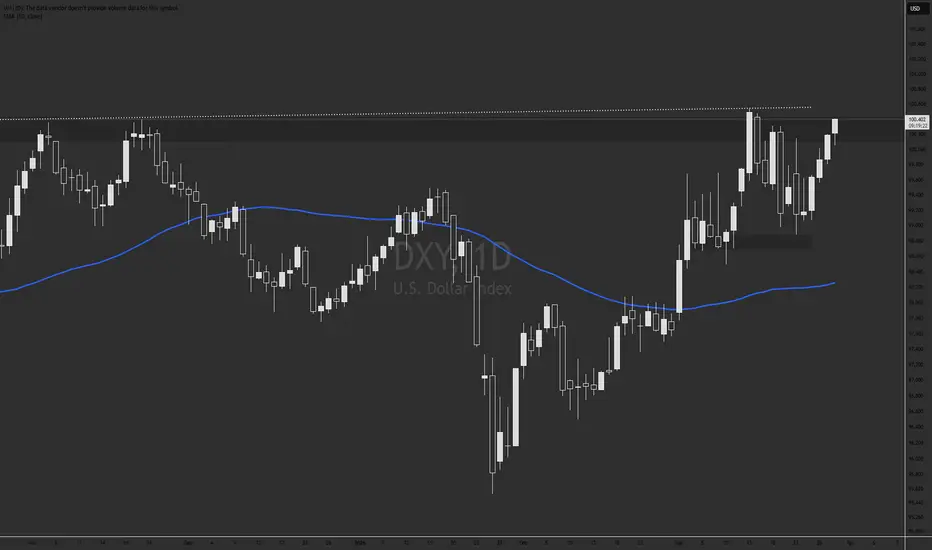
The macro backdrop still leans clearly toward dollar strength, but the quality of that strength is no longer clean enough to justify aggressive positioning.
The dominant regime remains liquidity stress, with geopolitical pressure continuing to flow through energy, shipping, sanctions, and military channels. Credit conditions are tightening, volatility remains elevated, and cross-asset behavior still reflects defensive allocation rather than normal directional expansion. In that environment, the dollar stays the strongest usable currency on the board.
But this is not a clean trend regime.
Transmission is weakening. Yields still matter, yet they are no longer driving price with full authority because volatility, credit stress, and geopolitical concentration are increasingly dominating the move. That creates a market where direction exists, but execution quality deteriorates.
The clearest weakness remains concentrated in New Zealand dollar exposure, with NZDUSD and AUDUSD still offering the most direct macro-aligned downside expressions. NZD continues to sit at the weakest end of the board, while broader risk-sensitive currencies remain vulnerable under current stress conditions.
At the same time, structural fragility is elevated enough to cap conviction.
JPY intervention risk remains elevated, carry positioning is crowded, and short squeeze sensitivity is active. USDJPY hesitation near major highs confirms that stress is present beneath the surface, even while the broader dollar remains firm. EURUSD trades near range lows, equities sit close to structural support, and several major instruments are already approaching exhaustion zones where breakout quality typically degrades.
This is why pair direction and trade permission are no longer the same thing.
Even though our dashboard still identifies valid directional expressions, the system state remains defensive because too many restriction layers are active at once: liquidity override triggered, Tier 1 event density elevated, transmission weakening, and confidence structurally capped at fragile.
The event calendar reinforces that caution. Powell, Fed speakers, Eurozone inflation, US retail sales, ISM, payrolls, wages, and OPEC all arrive in a compressed window where markets can reprice rapidly and inconsistently. In this kind of week, even correct macro direction often produces unstable entry conditions, false breaks, and short-lived squeezes.
The current macro thesis only weakens if oil, volatility, and credit stress all cool together while softer US data begins to erode dollar support. Until that combination appears, the broader defensive dollar structure remains intact.
For now, the correct institutional posture is patience.
The market still shows directional hierarchy, but not enough stability to justify forced exposure.
GoldvalleyCap - Citibag Trading Desk - QuantGPT
Note
Update – Dollar Still Leads, But Conditions Are Getting MessierThe broader theme has not changed yet. The dollar remains the strongest usable leg and direct USD majors still offer the cleanest macro expression. That keeps NZDUSD and AUDUSD at the top of the board.
But the daily update makes one thing clear: regime continuity is now at risk.
This is still a defensive market, but transmission is weakening and drift is active. Some decompression has started, yet the deeper stress layer has not actually repaired. Rate volatility remains elevated, geopolitical risk is still active, credit has not fully healed, and dollar-yen remains too close to distortion territory to trust cross-pair expressions.
That is why the pair focus stays the same, but trade permission does not.
The bias still favors weaker risk currencies against a firm dollar, especially NZD and AUD. But this is no longer a clean trend environment. Crowding is elevated, squeeze risk is high, and event density over the next 24 hours is heavy enough to make reactions unstable.
Today’s United States data cluster matters because it can shift yields, but in this environment even strong data may only stabilize the current dollar structure rather than create clean continuation. Weak data could soften the dollar temporarily, but unless credit, volatility, and equities all repair together, that would still look more like decompression than a true regime reversal.
For now the story stays the same: the dollar still leads, NZD remains weakest, AUD remains soft, and direct USD majors remain cleaner than crosses.
But the market is not healthy enough to justify forcing exposure.

Clause de non-responsabilité
Les informations et publications ne sont pas destinées à être, et ne constituent pas, des conseils ou recommandations financiers, d'investissement, de trading ou autres fournis ou approuvés par TradingView. Pour en savoir plus, consultez les Conditions d'utilisation.
Clause de non-responsabilité
Les informations et publications ne sont pas destinées à être, et ne constituent pas, des conseils ou recommandations financiers, d'investissement, de trading ou autres fournis ou approuvés par TradingView. Pour en savoir plus, consultez les Conditions d'utilisation.