
The Major Challenge of US Fiscal Credibility

The monetary policy outlook of the Federal Reserve (FED) is the dominant fundamental factor for financial markets and the underlying trend of the US equity market.
But a second fundamental theme is increasingly establishing itself as the faithful number two: US fiscal credibility, at a time when the budget deficit has fluctuated between 5% and 7% every year since 2019, while long-term bond yields have been following an upward trend since 2022.
First of all, I invite you to reread the analysis I presented last week on the fundamental factors needed to put an end to this rise in long-term yields and therefore remove some of the fundamental pressure on the market.
How can the upward trend in long-term interest rates in the United States be brought to an end?
Click on the chart below. It will take you to an analysis presenting the three essential factors needed to reverse the downward trend in long-term yields.
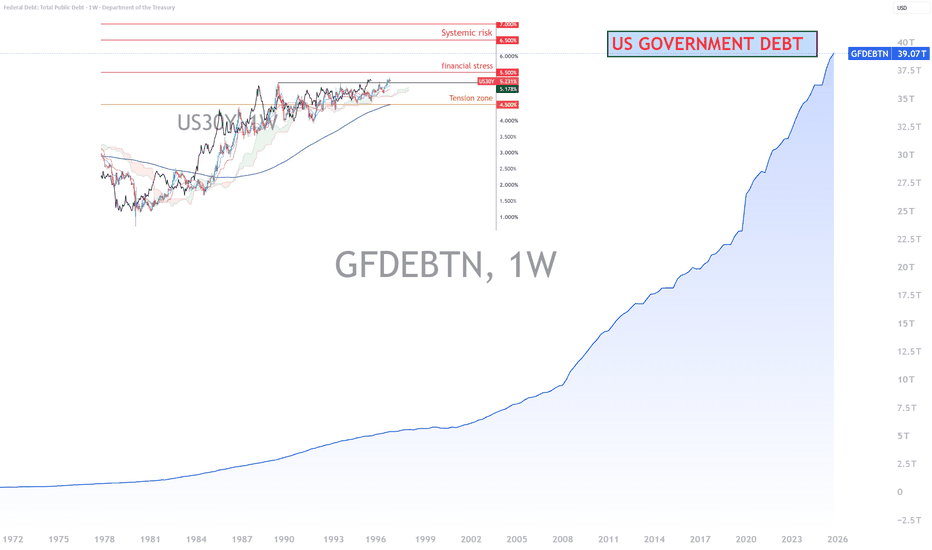
So why is US fiscal credibility such a major issue when the midterm elections are scheduled for Tuesday, November 3?
The answer is simple: interest payments on US debt now represent an overwhelming share of US federal government spending, and this negative dynamic appears likely to intensify further.
In fiscal year 2026, net interest expense reached approximately $1 trillion, representing nearly 18% of federal revenues. A considerable share of government revenues is being absorbed by debt servicing.
The table below presents the US federal budget and highlights the significant share that interest expense now represents in US federal government spending each year.

And the problem is dynamic. With federal debt close to 125% of GDP and a budget deficit close to $1.9 trillion, the United States must continue to borrow massively. If long-term yields remain high, refinancing the debt mechanically increases interest costs.
This is precisely where fiscal credibility comes into play. Bond investors must be convinced that Washington is capable of stabilizing and then reducing its deficit. Failing that, a higher term premium could become permanently embedded in Treasuries, pushing long-term yields higher despite a more accommodative FED.
The midterm elections will be a major political test: the market will be looking for credible signs of fiscal discipline. Without it, a reduction in policy rates may not be enough to reverse the trend in long-term yields.
The histogram below represents the US budget deficit as a percentage of US GDP. This growing deficit threatens US fiscal credibility.

DISCLAIMER:
This content is intended for individuals who are familiar with financial markets and instruments and is for information purposes only. The presented idea (including market commentary, market data and observations) is not a work product of any research department of Swissquote or its affiliates. This material is intended to highlight market action and does not constitute investment, legal or tax advice. If you are a retail investor or lack experience in trading complex financial products, it is advisable to seek professional advice from licensed advisor before making any financial decisions.
This content is not intended to manipulate the market or encourage any specific financial behavior.
Swissquote makes no representation or warranty as to the quality, completeness, accuracy, comprehensiveness or non-infringement of such content. The views expressed are those of the consultant and are provided for educational purposes only. Any information provided relating to a product or market should not be construed as recommending an investment strategy or transaction. Past performance is not a guarantee of future results.
Swissquote and its employees and representatives shall in no event be held liable for any damages or losses arising directly or indirectly from decisions made on the basis of this content.
The use of any third-party brands or trademarks is for information only and does not imply endorsement by Swissquote, or that the trademark owner has authorised Swissquote to promote its products or services.
Swissquote is the marketing brand for the activities of Swissquote Bank Ltd (Switzerland) regulated by FINMA, Swissquote Capital Markets Limited regulated by CySEC (Cyprus), Swissquote Bank Europe SA (Luxembourg) regulated by the CSSF, Swissquote Ltd (UK) regulated by the FCA, Swissquote Financial Services (Malta) Ltd regulated by the Malta Financial Services Authority, Swissquote MEA Ltd. (UAE) regulated by the Dubai Financial Services Authority, Swissquote Pte Ltd (Singapore) regulated by the Monetary Authority of Singapore, Swissquote Asia Limited (Hong Kong) licensed by the Hong Kong Securities and Futures Commission (SFC) and Swissquote South Africa (Pty) Ltd supervised by the FSCA.
Products and services of Swissquote are only intended for those permitted to receive them under local law.
All investments carry a degree of risk. The risk of loss in trading or holding financial instruments can be substantial. The value of financial instruments, including but not limited to stocks, bonds, cryptocurrencies, and other assets, can fluctuate both upwards and downwards. There is a significant risk of financial loss when buying, selling, holding, staking, or investing in these instruments. SQBE makes no recommendations regarding any specific investment, transaction, or the use of any particular investment strategy.
CFDs are complex instruments and come with a high risk of losing money rapidly due to leverage. The vast majority of retail client accounts suffer capital losses when trading in CFDs. You should consider whether you understand how CFDs work and whether you can afford to take the high risk of losing your money.
Digital Assets are unregulated in most countries and consumer protection rules may not apply. As highly volatile speculative investments, Digital Assets are not suitable for investors without a high-risk tolerance. Make sure you understand each Digital Asset before you trade.
Cryptocurrencies are not considered legal tender in some jurisdictions and are subject to regulatory uncertainties.
The use of Internet-based systems can involve high risks, including, but not limited to, fraud, cyber-attacks, network and communication failures, as well as identity theft and phishing attacks related to crypto-assets.
But a second fundamental theme is increasingly establishing itself as the faithful number two: US fiscal credibility, at a time when the budget deficit has fluctuated between 5% and 7% every year since 2019, while long-term bond yields have been following an upward trend since 2022.
First of all, I invite you to reread the analysis I presented last week on the fundamental factors needed to put an end to this rise in long-term yields and therefore remove some of the fundamental pressure on the market.
How can the upward trend in long-term interest rates in the United States be brought to an end?
Click on the chart below. It will take you to an analysis presenting the three essential factors needed to reverse the downward trend in long-term yields.
So why is US fiscal credibility such a major issue when the midterm elections are scheduled for Tuesday, November 3?
The answer is simple: interest payments on US debt now represent an overwhelming share of US federal government spending, and this negative dynamic appears likely to intensify further.
In fiscal year 2026, net interest expense reached approximately $1 trillion, representing nearly 18% of federal revenues. A considerable share of government revenues is being absorbed by debt servicing.
The table below presents the US federal budget and highlights the significant share that interest expense now represents in US federal government spending each year.
And the problem is dynamic. With federal debt close to 125% of GDP and a budget deficit close to $1.9 trillion, the United States must continue to borrow massively. If long-term yields remain high, refinancing the debt mechanically increases interest costs.
This is precisely where fiscal credibility comes into play. Bond investors must be convinced that Washington is capable of stabilizing and then reducing its deficit. Failing that, a higher term premium could become permanently embedded in Treasuries, pushing long-term yields higher despite a more accommodative FED.
The midterm elections will be a major political test: the market will be looking for credible signs of fiscal discipline. Without it, a reduction in policy rates may not be enough to reverse the trend in long-term yields.
The histogram below represents the US budget deficit as a percentage of US GDP. This growing deficit threatens US fiscal credibility.
DISCLAIMER:
This content is intended for individuals who are familiar with financial markets and instruments and is for information purposes only. The presented idea (including market commentary, market data and observations) is not a work product of any research department of Swissquote or its affiliates. This material is intended to highlight market action and does not constitute investment, legal or tax advice. If you are a retail investor or lack experience in trading complex financial products, it is advisable to seek professional advice from licensed advisor before making any financial decisions.
This content is not intended to manipulate the market or encourage any specific financial behavior.
Swissquote makes no representation or warranty as to the quality, completeness, accuracy, comprehensiveness or non-infringement of such content. The views expressed are those of the consultant and are provided for educational purposes only. Any information provided relating to a product or market should not be construed as recommending an investment strategy or transaction. Past performance is not a guarantee of future results.
Swissquote and its employees and representatives shall in no event be held liable for any damages or losses arising directly or indirectly from decisions made on the basis of this content.
The use of any third-party brands or trademarks is for information only and does not imply endorsement by Swissquote, or that the trademark owner has authorised Swissquote to promote its products or services.
Swissquote is the marketing brand for the activities of Swissquote Bank Ltd (Switzerland) regulated by FINMA, Swissquote Capital Markets Limited regulated by CySEC (Cyprus), Swissquote Bank Europe SA (Luxembourg) regulated by the CSSF, Swissquote Ltd (UK) regulated by the FCA, Swissquote Financial Services (Malta) Ltd regulated by the Malta Financial Services Authority, Swissquote MEA Ltd. (UAE) regulated by the Dubai Financial Services Authority, Swissquote Pte Ltd (Singapore) regulated by the Monetary Authority of Singapore, Swissquote Asia Limited (Hong Kong) licensed by the Hong Kong Securities and Futures Commission (SFC) and Swissquote South Africa (Pty) Ltd supervised by the FSCA.
Products and services of Swissquote are only intended for those permitted to receive them under local law.
All investments carry a degree of risk. The risk of loss in trading or holding financial instruments can be substantial. The value of financial instruments, including but not limited to stocks, bonds, cryptocurrencies, and other assets, can fluctuate both upwards and downwards. There is a significant risk of financial loss when buying, selling, holding, staking, or investing in these instruments. SQBE makes no recommendations regarding any specific investment, transaction, or the use of any particular investment strategy.
CFDs are complex instruments and come with a high risk of losing money rapidly due to leverage. The vast majority of retail client accounts suffer capital losses when trading in CFDs. You should consider whether you understand how CFDs work and whether you can afford to take the high risk of losing your money.
Digital Assets are unregulated in most countries and consumer protection rules may not apply. As highly volatile speculative investments, Digital Assets are not suitable for investors without a high-risk tolerance. Make sure you understand each Digital Asset before you trade.
Cryptocurrencies are not considered legal tender in some jurisdictions and are subject to regulatory uncertainties.
The use of Internet-based systems can involve high risks, including, but not limited to, fraud, cyber-attacks, network and communication failures, as well as identity theft and phishing attacks related to crypto-assets.

This content is written by Vincent Ganne for Swissquote.
This content is intended for individuals who are familiar with financial markets and instruments and is for information purposes only and does not constitute investment, legal or tax advice.
This content is intended for individuals who are familiar with financial markets and instruments and is for information purposes only and does not constitute investment, legal or tax advice.
Clause de non-responsabilité
Les informations et publications ne sont pas destinées à être, et ne constituent pas, des conseils ou recommandations financiers, d'investissement, de trading ou autres fournis ou approuvés par TradingView. Pour en savoir plus, consultez les Conditions d'utilisation.
This content is written by Vincent Ganne for Swissquote.
This content is intended for individuals who are familiar with financial markets and instruments and is for information purposes only and does not constitute investment, legal or tax advice.
This content is intended for individuals who are familiar with financial markets and instruments and is for information purposes only and does not constitute investment, legal or tax advice.
Clause de non-responsabilité
Les informations et publications ne sont pas destinées à être, et ne constituent pas, des conseils ou recommandations financiers, d'investissement, de trading ou autres fournis ou approuvés par TradingView. Pour en savoir plus, consultez les Conditions d'utilisation.