
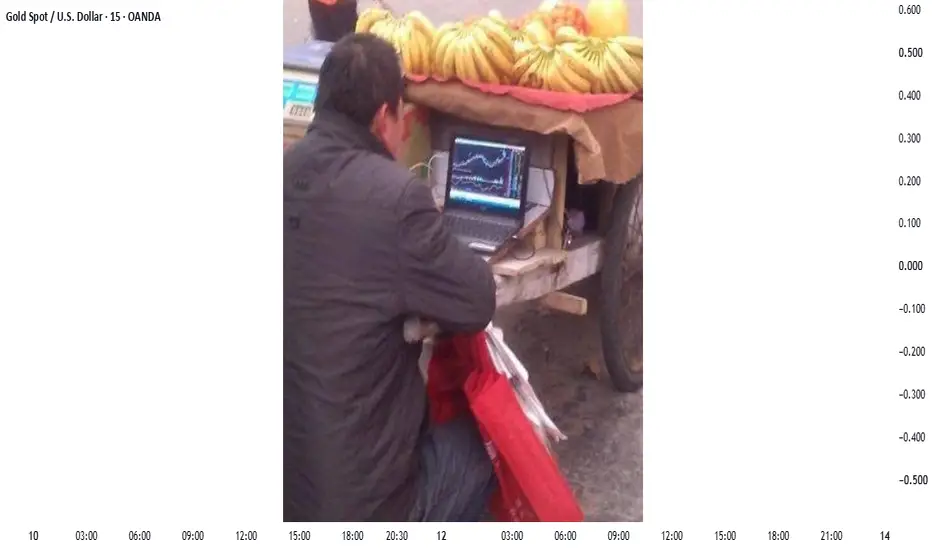
Trading is often portrayed as a full-time profession, but the reality is that most traders start while juggling work, school, or family commitments. Having limited screen time doesn't automatically put you at a disadvantage, it simply means your approach has to be different.
The goal isn't to watch every candle. It's to make the most of the time you have.
1. Accept Your Schedule
Many traders lose money trying to trade as if they were full-time professionals.
Instead, build your strategy around your availability.
9–5 workers: Focus on the London Open before work or the New York session after work, depending on your timezone.
Night shift workers: Use your mornings or days off for analysis, then only execute when your chosen session arrives.
Long shift workers (12-hour shifts): Swing trading or higher timeframes often outperform aggressive intraday trading.
Your schedule should determine your trading style, not the other way around
2. Do Your Analysis Before the Session Starts

One of the biggest mistakes busy traders make is analysing while the market is already moving.
Instead:
Mark levels and zones beforehand.(points of interest)
Plan entries, stop losses, and targets.
Decide what would invalidate your idea.
When the session opens, you're simply executing a plan not creating one under pressure.
3. Higher Timeframes Are Your Friend
If you only have an hour or two each day, don't force yourself into the 1-minute chart.
Consider:
4H
Daily
Weekly
Higher timeframes generally produce fewer but cleaner opportunities and require less constant monitoring.
4. Quality Beats Quantity
A trader working full time doesn't need ten trades per day.
One well-planned trade each week can outperform dozens of impulsive trades.
Professional trading isn't measured by activity.
It's measured by consistency.
5. Use Alerts
TradingView alerts exist for a reason.
Instead of staring at charts for six hours:
Set price alerts.
Set indicator alerts if they form part of your strategy.
Let the market notify you when something important happens.
6. Don't Trade When You're Exhausted

This is especially important for night-shift workers.
Fatigue affects:
Decision-making
Risk management
Emotional control
Reaction speed
If you're too tired to drive safely, you're probably too tired to trade responsibly.
Missing a trade is usually cheaper than forcing one.
7. Journal Everything

Busy traders often forget why they entered a position.
Maintain a journal containing:
Entry reason
Exit reason
Screenshot
Emotion
Lesson learned
Over months, patterns become obvious.
8. Stop Comparing Yourself to Full-Time Traders
Someone trading eight hours a day naturally sees more setups than someone trading one hour.
That doesn't mean they'll make more money.
The market rewards good decisions not hours spent in front of a screen.
9. Use Weekends Wisely

Weekends are ideal for preparation.
You can:
Review your trades.
Study macroeconomic developments.
Mark important levels.
Read central bank reports.
Prepare a watchlist for the coming week.
Preparation reduces stress during busy workdays.
10. Consistency Compounds
Many successful traders spent years balancing employment and trading before making the transition full time.
Progress isn't determined by how many hours you trade.
It's determined by how consistently you follow your process.
Small improvements repeated over hundreds of trading sessions often produce far better results than occasional bursts of motivation.
outro
Having a demanding job doesn't prevent you from becoming a profitable trader. It simply forces you to become more efficient.
The best traders don't try to trade every market move they wait for the opportunities that fit both their strategy and their schedule.
Trade around your life, not against it.
put together by : Pako Phutietsile as currencynerd
The goal isn't to watch every candle. It's to make the most of the time you have.
1. Accept Your Schedule
Many traders lose money trying to trade as if they were full-time professionals.
Instead, build your strategy around your availability.
9–5 workers: Focus on the London Open before work or the New York session after work, depending on your timezone.
Night shift workers: Use your mornings or days off for analysis, then only execute when your chosen session arrives.
Long shift workers (12-hour shifts): Swing trading or higher timeframes often outperform aggressive intraday trading.
Your schedule should determine your trading style, not the other way around
2. Do Your Analysis Before the Session Starts
One of the biggest mistakes busy traders make is analysing while the market is already moving.
Instead:
Mark levels and zones beforehand.(points of interest)
Plan entries, stop losses, and targets.
Decide what would invalidate your idea.
When the session opens, you're simply executing a plan not creating one under pressure.
3. Higher Timeframes Are Your Friend
If you only have an hour or two each day, don't force yourself into the 1-minute chart.
Consider:
4H
Daily
Weekly
Higher timeframes generally produce fewer but cleaner opportunities and require less constant monitoring.
4. Quality Beats Quantity
A trader working full time doesn't need ten trades per day.
One well-planned trade each week can outperform dozens of impulsive trades.
Professional trading isn't measured by activity.
It's measured by consistency.
5. Use Alerts
TradingView alerts exist for a reason.
Instead of staring at charts for six hours:
Set price alerts.
Set indicator alerts if they form part of your strategy.
Let the market notify you when something important happens.
6. Don't Trade When You're Exhausted
This is especially important for night-shift workers.
Fatigue affects:
Decision-making
Risk management
Emotional control
Reaction speed
If you're too tired to drive safely, you're probably too tired to trade responsibly.
Missing a trade is usually cheaper than forcing one.
7. Journal Everything
Busy traders often forget why they entered a position.
Maintain a journal containing:
Entry reason
Exit reason
Screenshot
Emotion
Lesson learned
Over months, patterns become obvious.
8. Stop Comparing Yourself to Full-Time Traders
Someone trading eight hours a day naturally sees more setups than someone trading one hour.
That doesn't mean they'll make more money.
The market rewards good decisions not hours spent in front of a screen.
9. Use Weekends Wisely
Weekends are ideal for preparation.
You can:
Review your trades.
Study macroeconomic developments.
Mark important levels.
Read central bank reports.
Prepare a watchlist for the coming week.
Preparation reduces stress during busy workdays.
10. Consistency Compounds
Many successful traders spent years balancing employment and trading before making the transition full time.
Progress isn't determined by how many hours you trade.
It's determined by how consistently you follow your process.
Small improvements repeated over hundreds of trading sessions often produce far better results than occasional bursts of motivation.
outro
Having a demanding job doesn't prevent you from becoming a profitable trader. It simply forces you to become more efficient.
The best traders don't try to trade every market move they wait for the opportunities that fit both their strategy and their schedule.
Trade around your life, not against it.
put together by : Pako Phutietsile as currencynerd

Publications connexes
Clause de non-responsabilité
Les informations et publications ne sont pas destinées à être, et ne constituent pas, des conseils ou recommandations financiers, d'investissement, de trading ou autres fournis ou approuvés par TradingView. Pour en savoir plus, consultez les Conditions d'utilisation.
Publications connexes
Clause de non-responsabilité
Les informations et publications ne sont pas destinées à être, et ne constituent pas, des conseils ou recommandations financiers, d'investissement, de trading ou autres fournis ou approuvés par TradingView. Pour en savoir plus, consultez les Conditions d'utilisation.