
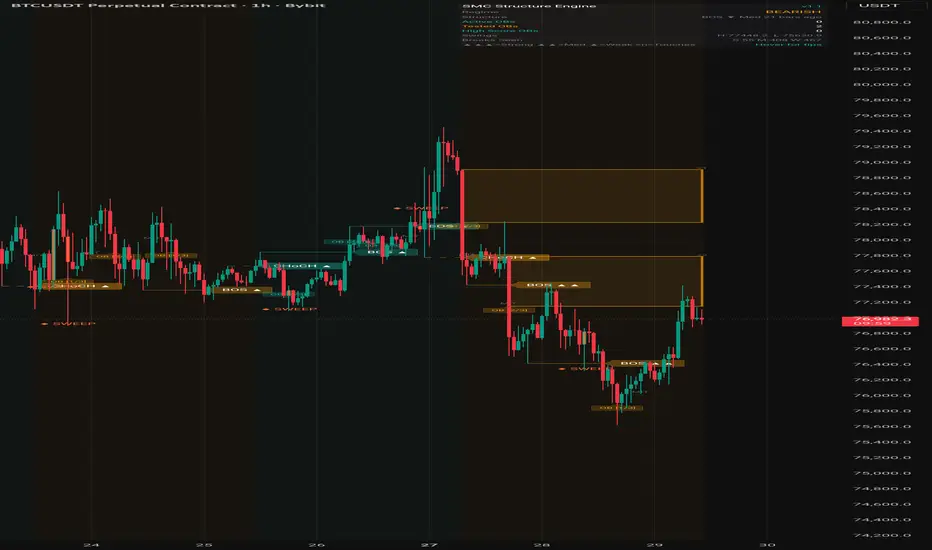
Most traders only record the trades they took.
That misses half the decision process.
Every session has two outcomes: action and refusal. Entering is a decision. Passing is also a decision. Both affect your equity curve, but only one usually gets written down.
That creates a distorted review process. You study your wins. You study your losses. But you rarely study the trades you refused to take.
A skipped trade that would have lost is not “nothing.” It protected capital. It protected attention. It kept you available for a cleaner opportunity.
A skipped trade that would have won is not automatically a mistake either. If it broke your rules, it was still a correct decision with a favorable outcome you were not entitled to take.
That distinction matters.
Without tracking skipped trades, you cannot tell whether your problem is poor execution or poor selection. You only see the trades that passed your filter. You never study the filter itself.
This is why many traders keep changing strategies when the real issue is lower in the process. They do not need more entries. They need better evidence about what they are refusing, why they are refusing it, and whether those refusals are improving their results.
Most people think discipline means managing a trade well after entry.
Often, discipline is never being in the trade at all.
A no-trade decision still has P&L. You just rarely record it.
That misses half the decision process.
Every session has two outcomes: action and refusal. Entering is a decision. Passing is also a decision. Both affect your equity curve, but only one usually gets written down.
That creates a distorted review process. You study your wins. You study your losses. But you rarely study the trades you refused to take.
A skipped trade that would have lost is not “nothing.” It protected capital. It protected attention. It kept you available for a cleaner opportunity.
A skipped trade that would have won is not automatically a mistake either. If it broke your rules, it was still a correct decision with a favorable outcome you were not entitled to take.
That distinction matters.
Without tracking skipped trades, you cannot tell whether your problem is poor execution or poor selection. You only see the trades that passed your filter. You never study the filter itself.
This is why many traders keep changing strategies when the real issue is lower in the process. They do not need more entries. They need better evidence about what they are refusing, why they are refusing it, and whether those refusals are improving their results.
Most people think discipline means managing a trade well after entry.
Often, discipline is never being in the trade at all.
A no-trade decision still has P&L. You just rarely record it.

SMC structure tools — no signals, just the map. Free alerts → t.me/smc_scanner_free | Scanner PRO → whop.com/smc-scanner | @EmpArchitect
Pernyataan Penyangkalan
Informasi dan publikasi ini tidak dimaksudkan, dan bukan merupakan, saran atau rekomendasi keuangan, investasi, trading, atau jenis lainnya yang diberikan atau didukung oleh TradingView. Baca selengkapnya di Ketentuan Penggunaan.
SMC structure tools — no signals, just the map. Free alerts → t.me/smc_scanner_free | Scanner PRO → whop.com/smc-scanner | @EmpArchitect
Pernyataan Penyangkalan
Informasi dan publikasi ini tidak dimaksudkan, dan bukan merupakan, saran atau rekomendasi keuangan, investasi, trading, atau jenis lainnya yang diberikan atau didukung oleh TradingView. Baca selengkapnya di Ketentuan Penggunaan.