
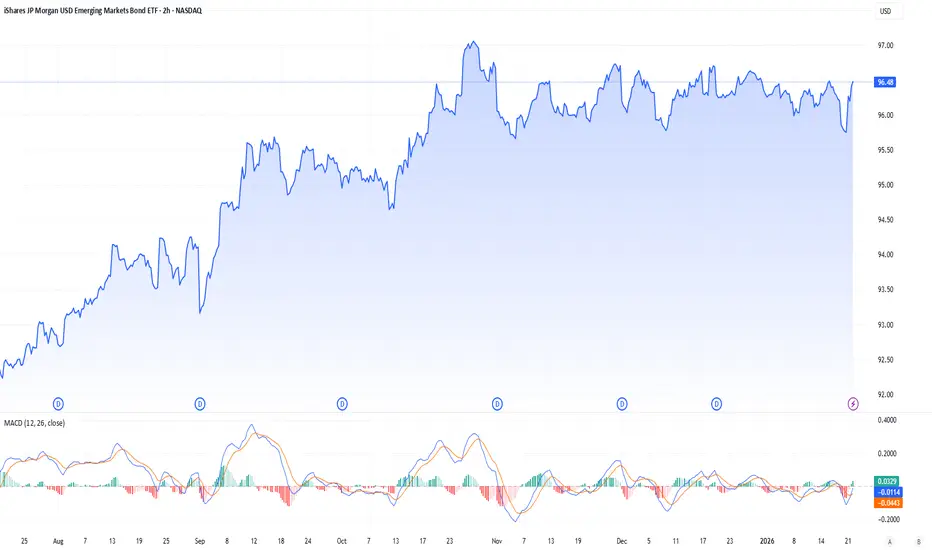
Gobi Mining and Transport (GMT), a Singapore-based holding company with operations in Mongolia, is set to issue its debut Nordic bonds to fund the expansion of a key railway line transporting coal from the vast Tavan Tolgoi basin to China. This pre-issuance opportunity, highlighted in a recent International Financing Review article, involves a US$300 million senior secured bond with a 14.5% coupon, offering high yields amid initial risks but with potential for significant price appreciation as the company's credit profile strengthens. The idea targets investors comfortable with emerging market exposure, where the bond's structure and the project's economics could deliver returns exceeding 20% annually if early call options are exercised.
Company Overview
GMT, incorporated in Singapore and fully owned by Mongolian national G. Gantulga, oversees a group focused on mining and transportation in Mongolia's Gobi region. Through subsidiaries like Mongolian Trans Line LLC, GMT holds a 20-year Design-Build-Operate-Transfer (DBOT) concession from the Mongolian government for a 227 km railway from Zuunbayan to Khangi on the Chinese border, completed in November 2022. This line facilitates coal exports from the Tavan Tolgoi deposit, estimated at 7 billion tonnes of high-quality coking coal by U.S. firm Stantec Inc. in 2020.
The company currently transports several million tonnes annually (with volumes ramping up following the 2022 commissioning, reaching around 8-9 million tonnes corridor-wide in recent periods) for various producers, aiming to significantly scale operations toward the line's design capacity of 20-25 million tonnes per year by displacing less efficient and environmentally damaging truck shipments. GMT collaborates with state operator MTZ for shared infrastructure and rolling stock, enhancing operational leverage. The group's mining arm, under the same ownership, complements transportation, ensuring integrated value capture in a market with a substantial annual coal export shortfall to China (estimated at over 30 million tonnes in recent years).
Bond Structure
The bonds, issued by GMT Luxembourg S.a.r.l. and guaranteed by the parent and subsidiaries, are senior secured with a US$300 million volume and five-year tenor. They feature semi-annual 14.5% coupons and linear amortization starting at the 2.5-year mark, with US$50 million repayments every six months thereafter. Placement pricing is expected below par, around 95-97, yielding approximately 16% to maturity, with an effective duration of about 3.5 years.
Call options allow early redemption: make-whole in the first 2.5 years (paying all remaining coupons), followed by premiums of 50%, 40%, 30%, and 20% of the annual coupon rate at 30, 36, 42, and 48 months, respectively, or 100.5% in the final six months. A put option at 101% triggers on change of control. The bonds clear through Norway's CSD with a Euroclear bridge, governed by Norwegian law, and target listing within a year. Nominal value per bond is US$125,000.
Market Landscape
Mongolia's Tavan Tolgoi basin is a cornerstone of global coking coal supply, producing 60 million tonnes annually for export, primarily to China's steel industry. The Khangi-Mandal border crossing, equipped for both 1520 mm (Mongolian/Russian) and 1435 mm (Chinese) gauges, enables seamless rail connectivity. GMT's line addresses inefficiencies in current truck-dominated logistics, reducing environmental impact by removing hundreds of daily trucks and aligning with World Bank-supported infrastructure upgrades.
Demand from China remains robust, driven by steel giants like China Steel, despite global shifts toward greener alternatives. The short 400-500 km transport distance from mine to consumer gives Tavan Tolgoi a competitive edge over distant exporters. However, the market's concentration-over half of GMT's volumes from three key clients like Tumen Ail, Erdenes, and TTC&T-highlights dependency on stable Sino-Mongolian trade relations.
Financial Projections
Issuer models project revenue growth from US$28 million in 2025 to US$287 million in 2027 and US$479 million in 2030, driven by volume ramps to 25 million tonnes. Organizer estimates are slightly conservative, at 5% lower, with EBITDA margins of 30-40% from 2026-2029. Net interest-bearing debt to EBITDA is forecasted to decline from 4.2x in 2026 to 0.8x in 2029, boosting interest coverage from 1.5x to 5.9x.
Covenants mandate minimum liquidity of US$20 million from January 2027 and net debt to EBITDA caps starting at 6.5x through 2026, tapering to 4.5x by 2027. Violation triggers bondholder votes for potential waivers or acceleration, but rapid deleveraging suggests compliance feasibility if volumes materialize.
Use of Proceeds
Funds will refinance US$56 million in existing bank debt, allocate US$109 million to capital expenditures, operational costs, and financing expenses, and direct US$52 million toward locomotives and wagons, potentially partially covered by China's Sinosure export agency. The remaining US$83 million supports general corporate purposes. Shareholder loans will subordinate to the bonds, prioritizing investor repayments.
Risks and Considerations
Primary risks stem from exclusive reliance on China as the coal buyer-alternative routes via Russia are uneconomical-and client concentration. High initial leverage post-issuance eases quickly per models, but political instability in Mongolia, with 2027 presidential elections, could challenge the concession, though its 20-year term likely withstands regime changes. Construction costs may be inflated for tariff purposes, raising questions on true economics, and unrated status amplifies emerging market volatility. Covenant breaches could lead to acceleration, though bondholder discretion applies.
Advantages
GMT's established role in Mongolian rail exports, backed by the government concession and client agreements, provides stability. Management's track record in regional mining and transport, plus MTZ partnerships for capacity sharing, bolsters execution. ESG benefits, like reduced truck emissions and pasture preservation, appeal to impact investors. Sinosure involvement adds geopolitical safeguards, and the short-haul advantage ensures cost competitiveness in China's steel supply chain.
Positioning
The 14.5% coupon embeds upside for both short- and medium-term horizons. As leverage drops and credit improves to potential BB-equivalent, spreads could halve, implying yields of 8-9% by 2028-driving prices toward call strikes like 107.5. Early redemption in 2.5 years could yield over 20% annually from a 95 entry, assuming stable U.S. Treasury rates.
GMT's Nordic bonds offer a high-risk, high-reward entry into Mongolia's coal export infrastructure, with strong concession-backed cash flows and deleveraging potential mitigating initial concerns. At 16% yield-to-maturity and prospects for price gains via calls or spread compression, the idea suits risky investors eyeing 20%+ returns over 2-3 years. While China dependency and political risks loom, the project's economics and strategic positioning make it a noteworthy addition to diversified emerging market portfolios, warranting participation in the January issuance.
Company Overview
GMT, incorporated in Singapore and fully owned by Mongolian national G. Gantulga, oversees a group focused on mining and transportation in Mongolia's Gobi region. Through subsidiaries like Mongolian Trans Line LLC, GMT holds a 20-year Design-Build-Operate-Transfer (DBOT) concession from the Mongolian government for a 227 km railway from Zuunbayan to Khangi on the Chinese border, completed in November 2022. This line facilitates coal exports from the Tavan Tolgoi deposit, estimated at 7 billion tonnes of high-quality coking coal by U.S. firm Stantec Inc. in 2020.
The company currently transports several million tonnes annually (with volumes ramping up following the 2022 commissioning, reaching around 8-9 million tonnes corridor-wide in recent periods) for various producers, aiming to significantly scale operations toward the line's design capacity of 20-25 million tonnes per year by displacing less efficient and environmentally damaging truck shipments. GMT collaborates with state operator MTZ for shared infrastructure and rolling stock, enhancing operational leverage. The group's mining arm, under the same ownership, complements transportation, ensuring integrated value capture in a market with a substantial annual coal export shortfall to China (estimated at over 30 million tonnes in recent years).
Bond Structure
The bonds, issued by GMT Luxembourg S.a.r.l. and guaranteed by the parent and subsidiaries, are senior secured with a US$300 million volume and five-year tenor. They feature semi-annual 14.5% coupons and linear amortization starting at the 2.5-year mark, with US$50 million repayments every six months thereafter. Placement pricing is expected below par, around 95-97, yielding approximately 16% to maturity, with an effective duration of about 3.5 years.
Call options allow early redemption: make-whole in the first 2.5 years (paying all remaining coupons), followed by premiums of 50%, 40%, 30%, and 20% of the annual coupon rate at 30, 36, 42, and 48 months, respectively, or 100.5% in the final six months. A put option at 101% triggers on change of control. The bonds clear through Norway's CSD with a Euroclear bridge, governed by Norwegian law, and target listing within a year. Nominal value per bond is US$125,000.
Market Landscape
Mongolia's Tavan Tolgoi basin is a cornerstone of global coking coal supply, producing 60 million tonnes annually for export, primarily to China's steel industry. The Khangi-Mandal border crossing, equipped for both 1520 mm (Mongolian/Russian) and 1435 mm (Chinese) gauges, enables seamless rail connectivity. GMT's line addresses inefficiencies in current truck-dominated logistics, reducing environmental impact by removing hundreds of daily trucks and aligning with World Bank-supported infrastructure upgrades.
Demand from China remains robust, driven by steel giants like China Steel, despite global shifts toward greener alternatives. The short 400-500 km transport distance from mine to consumer gives Tavan Tolgoi a competitive edge over distant exporters. However, the market's concentration-over half of GMT's volumes from three key clients like Tumen Ail, Erdenes, and TTC&T-highlights dependency on stable Sino-Mongolian trade relations.
Financial Projections
Issuer models project revenue growth from US$28 million in 2025 to US$287 million in 2027 and US$479 million in 2030, driven by volume ramps to 25 million tonnes. Organizer estimates are slightly conservative, at 5% lower, with EBITDA margins of 30-40% from 2026-2029. Net interest-bearing debt to EBITDA is forecasted to decline from 4.2x in 2026 to 0.8x in 2029, boosting interest coverage from 1.5x to 5.9x.
Covenants mandate minimum liquidity of US$20 million from January 2027 and net debt to EBITDA caps starting at 6.5x through 2026, tapering to 4.5x by 2027. Violation triggers bondholder votes for potential waivers or acceleration, but rapid deleveraging suggests compliance feasibility if volumes materialize.
Use of Proceeds
Funds will refinance US$56 million in existing bank debt, allocate US$109 million to capital expenditures, operational costs, and financing expenses, and direct US$52 million toward locomotives and wagons, potentially partially covered by China's Sinosure export agency. The remaining US$83 million supports general corporate purposes. Shareholder loans will subordinate to the bonds, prioritizing investor repayments.
Risks and Considerations
Primary risks stem from exclusive reliance on China as the coal buyer-alternative routes via Russia are uneconomical-and client concentration. High initial leverage post-issuance eases quickly per models, but political instability in Mongolia, with 2027 presidential elections, could challenge the concession, though its 20-year term likely withstands regime changes. Construction costs may be inflated for tariff purposes, raising questions on true economics, and unrated status amplifies emerging market volatility. Covenant breaches could lead to acceleration, though bondholder discretion applies.
Advantages
GMT's established role in Mongolian rail exports, backed by the government concession and client agreements, provides stability. Management's track record in regional mining and transport, plus MTZ partnerships for capacity sharing, bolsters execution. ESG benefits, like reduced truck emissions and pasture preservation, appeal to impact investors. Sinosure involvement adds geopolitical safeguards, and the short-haul advantage ensures cost competitiveness in China's steel supply chain.
Positioning
The 14.5% coupon embeds upside for both short- and medium-term horizons. As leverage drops and credit improves to potential BB-equivalent, spreads could halve, implying yields of 8-9% by 2028-driving prices toward call strikes like 107.5. Early redemption in 2.5 years could yield over 20% annually from a 95 entry, assuming stable U.S. Treasury rates.
GMT's Nordic bonds offer a high-risk, high-reward entry into Mongolia's coal export infrastructure, with strong concession-backed cash flows and deleveraging potential mitigating initial concerns. At 16% yield-to-maturity and prospects for price gains via calls or spread compression, the idea suits risky investors eyeing 20%+ returns over 2-3 years. While China dependency and political risks loom, the project's economics and strategic positioning make it a noteworthy addition to diversified emerging market portfolios, warranting participation in the January issuance.

Pernyataan Penyangkalan
Informasi dan publikasi ini tidak dimaksudkan, dan bukan merupakan, saran atau rekomendasi keuangan, investasi, trading, atau jenis lainnya yang diberikan atau didukung oleh TradingView. Baca selengkapnya di Ketentuan Penggunaan.
Pernyataan Penyangkalan
Informasi dan publikasi ini tidak dimaksudkan, dan bukan merupakan, saran atau rekomendasi keuangan, investasi, trading, atau jenis lainnya yang diberikan atau didukung oleh TradingView. Baca selengkapnya di Ketentuan Penggunaan.