
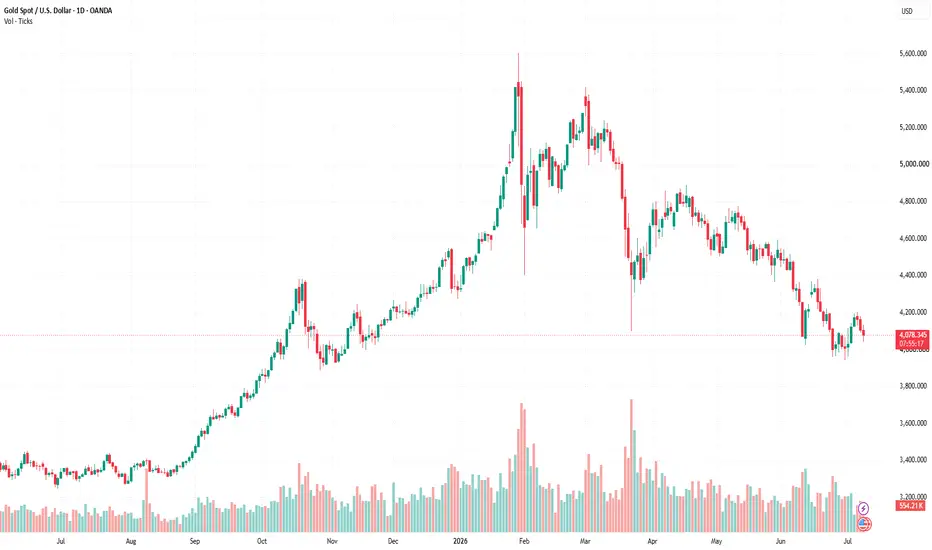
Market psychology is basically the emotional side of financial markets. It explains why prices can move sharply even when the news is not always clear, and why people can react so differently to the same piece of information.
A lot of beginners focus only on charts, numbers, or headlines. Those things matter, but they are not the whole picture. Markets are also shaped by fear, confidence, uncertainty, patience, and expectations.
That is why market behavior can feel confusing at first. Sometimes good news does not move prices much. Sometimes bad news creates a bigger reaction than expected. A lot depends on the mood of the market at that moment.
Why emotions matter
When prices have been rising for some time, the general mood often becomes more confident. People may start to believe that the positive direction will continue. News can also feel more positive during these periods, even when the actual data is mixed.
When prices are falling, the mood can change quickly. People become more careful, and even a small negative headline can feel important. In weaker market conditions, uncertainty tends to grow faster.
This is one reason why the same news can create different reactions at different times. It is not only about what the headline says. It is also about how the market is feeling before the headline appears.
Expectations can be stronger than the news itself
Markets often react to expectations, not just facts. Before an inflation report, central bank update, or economic release, people already have ideas about what might happen.
If the result is close to what was expected, the reaction may be calm. If the result is very different, the reaction can be stronger.
For example, higher inflation may lead people to think about interest rates. Strong employment data may be seen as a sign of economic strength. But the final reaction depends on what people were expecting before the data came out.
This is why market news is not always simple. The number matters, but the expectation around the number matters too.
Crowd behavior can make moves feel bigger
Another part of market psychology is crowd behavior. When many people react in the same direction, prices can move faster and the mood can become more intense.
You can often see this during fast market moves. Online discussions get louder, opinions become stronger, and people may start reacting emotionally instead of thinking clearly.
For beginners, this can be confusing. It may look like everyone suddenly knows what will happen next, but usually they do not. Most people are reacting to the same uncertainty at the same time.
That is why it helps to slow down and ask a simple question: what actually changed?
Patience matters more than people think
Market psychology is not only about fear or confidence. It is also about patience.
Beginners often feel like they need to understand every price move immediately. But markets do not always give clear answers right away. Sometimes a first reaction is sharp, then things calm down later when more information is available.
Taking time to observe can be more useful than trying to explain everything instantly. A patient approach makes it easier to learn from market behavior without getting pulled into every short term reaction.
Learn to watch the mood, not just the price
One useful habit is to pay attention to the mood behind the movement. Is the market reacting calmly or emotionally? Did the news actually change something important, or is the reaction mostly uncertainty? Are people becoming too confident or too cautious?
You do not need to answer perfectly. The point is to start noticing how emotions and expectations show up in market behavior.
Over time, this makes charts and financial news easier to understand. You begin to see that price movement is not just about numbers. It is also about how people interpret those numbers.
Final thoughts
Market psychology helps beginners understand why financial markets can act the way they do. Prices are affected by data, news, and economic conditions, but they are also affected by human behavior.
Confidence, fear, expectations, and patience all play a role. When beginners understand this, market movement starts to feel less random.
The main idea is simple: markets are not only about information. They are about how people react to information.
A lot of beginners focus only on charts, numbers, or headlines. Those things matter, but they are not the whole picture. Markets are also shaped by fear, confidence, uncertainty, patience, and expectations.
That is why market behavior can feel confusing at first. Sometimes good news does not move prices much. Sometimes bad news creates a bigger reaction than expected. A lot depends on the mood of the market at that moment.
Why emotions matter
When prices have been rising for some time, the general mood often becomes more confident. People may start to believe that the positive direction will continue. News can also feel more positive during these periods, even when the actual data is mixed.
When prices are falling, the mood can change quickly. People become more careful, and even a small negative headline can feel important. In weaker market conditions, uncertainty tends to grow faster.
This is one reason why the same news can create different reactions at different times. It is not only about what the headline says. It is also about how the market is feeling before the headline appears.
Expectations can be stronger than the news itself
Markets often react to expectations, not just facts. Before an inflation report, central bank update, or economic release, people already have ideas about what might happen.
If the result is close to what was expected, the reaction may be calm. If the result is very different, the reaction can be stronger.
For example, higher inflation may lead people to think about interest rates. Strong employment data may be seen as a sign of economic strength. But the final reaction depends on what people were expecting before the data came out.
This is why market news is not always simple. The number matters, but the expectation around the number matters too.
Crowd behavior can make moves feel bigger
Another part of market psychology is crowd behavior. When many people react in the same direction, prices can move faster and the mood can become more intense.
You can often see this during fast market moves. Online discussions get louder, opinions become stronger, and people may start reacting emotionally instead of thinking clearly.
For beginners, this can be confusing. It may look like everyone suddenly knows what will happen next, but usually they do not. Most people are reacting to the same uncertainty at the same time.
That is why it helps to slow down and ask a simple question: what actually changed?
Patience matters more than people think
Market psychology is not only about fear or confidence. It is also about patience.
Beginners often feel like they need to understand every price move immediately. But markets do not always give clear answers right away. Sometimes a first reaction is sharp, then things calm down later when more information is available.
Taking time to observe can be more useful than trying to explain everything instantly. A patient approach makes it easier to learn from market behavior without getting pulled into every short term reaction.
Learn to watch the mood, not just the price
One useful habit is to pay attention to the mood behind the movement. Is the market reacting calmly or emotionally? Did the news actually change something important, or is the reaction mostly uncertainty? Are people becoming too confident or too cautious?
You do not need to answer perfectly. The point is to start noticing how emotions and expectations show up in market behavior.
Over time, this makes charts and financial news easier to understand. You begin to see that price movement is not just about numbers. It is also about how people interpret those numbers.
Final thoughts
Market psychology helps beginners understand why financial markets can act the way they do. Prices are affected by data, news, and economic conditions, but they are also affected by human behavior.
Confidence, fear, expectations, and patience all play a role. When beginners understand this, market movement starts to feel less random.
The main idea is simple: markets are not only about information. They are about how people react to information.

כתב ויתור
המידע והפרסומים אינם מיועדים להיות, ואינם מהווים, ייעוץ או המלצה פיננסית, השקעתית, מסחרית או מכל סוג אחר המסופקת או מאושרת על ידי TradingView. קרא עוד ב־תנאי השימוש.
כתב ויתור
המידע והפרסומים אינם מיועדים להיות, ואינם מהווים, ייעוץ או המלצה פיננסית, השקעתית, מסחרית או מכל סוג אחר המסופקת או מאושרת על ידי TradingView. קרא עוד ב־תנאי השימוש.