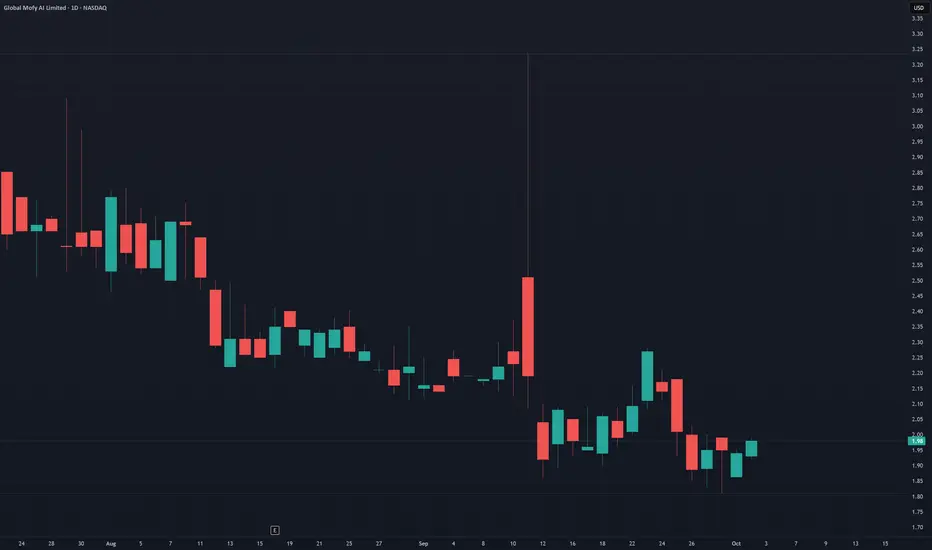
I ran the data on this stock—which is based on last-second filings—through Gemini. The results were quite intriguing, but I am certainly aware of the high risk involved.
The analysis reveals a high-risk, high-reward profile driven by a clear divergence between the company's financial fundamentals and its market performance.
Arguments for a "Buy" Consideration (Bullish/Value)
Extreme Undervaluation on Earnings: The low Price-to-Earnings (P/E) ratio of ~1.0 indicates that the stock is trading at a steep discount to its net income. This suggests that investors currently place little to no value on the company's reported earnings.
Strong Cash Flow from Operations: The business continues to generate positive and growing operational cash flow (+$10.1 million), which is a sign of underlying business health.
Aggressive Investment in Future Growth: The massive, nearly 600% increase in R&D expenses signals that management is heavily investing in the company's proprietary AI (AIGC) and metaverse-related technology. If this investment pays off, it could lead to future growth and a re-rating of the stock.
Revenue Growth: The 34.2% year-over-year revenue increase shows the company's products and services are in demand.
Arguments for Caution (Bearish/Risk)
Market Sentiment and Price Action: The stock has lost 80% of its value in the past year and is in a strong falling trend. This indicates overwhelming negative investor sentiment, possibly due to geopolitical risks (as a Chinese company), lack of market awareness, or concerns about long-term profitability.
Profitability Concerns: The significant drop in Gross Margin (from 59.3% to 44.2%) is a major red flag. This suggests the cost to deliver the product is increasing, eroding profitability even with higher revenue.
Cash Burn from Investing: The company used a large amount of cash on investing activities (primarily purchasing intangible assets), resulting in a significant decrease in its overall cash balance.
Reverse Stock Split: The company executed a 15-to-1 reverse stock split on November 26, 2024, which can sometimes be a sign of distress aimed at maintaining listing compliance.
In summary, GMM is a deeply discounted stock with strong revenue and cash generation, but its valuation remains low because of severe margin contraction and high execution risk on its massive R&D/AI investments. A potential buyer would be betting on the success of the company's AI initiatives reversing the trend of declining margins and negative market sentiment.
The analysis reveals a high-risk, high-reward profile driven by a clear divergence between the company's financial fundamentals and its market performance.
Arguments for a "Buy" Consideration (Bullish/Value)
Extreme Undervaluation on Earnings: The low Price-to-Earnings (P/E) ratio of ~1.0 indicates that the stock is trading at a steep discount to its net income. This suggests that investors currently place little to no value on the company's reported earnings.
Strong Cash Flow from Operations: The business continues to generate positive and growing operational cash flow (+$10.1 million), which is a sign of underlying business health.
Aggressive Investment in Future Growth: The massive, nearly 600% increase in R&D expenses signals that management is heavily investing in the company's proprietary AI (AIGC) and metaverse-related technology. If this investment pays off, it could lead to future growth and a re-rating of the stock.
Revenue Growth: The 34.2% year-over-year revenue increase shows the company's products and services are in demand.
Arguments for Caution (Bearish/Risk)
Market Sentiment and Price Action: The stock has lost 80% of its value in the past year and is in a strong falling trend. This indicates overwhelming negative investor sentiment, possibly due to geopolitical risks (as a Chinese company), lack of market awareness, or concerns about long-term profitability.
Profitability Concerns: The significant drop in Gross Margin (from 59.3% to 44.2%) is a major red flag. This suggests the cost to deliver the product is increasing, eroding profitability even with higher revenue.
Cash Burn from Investing: The company used a large amount of cash on investing activities (primarily purchasing intangible assets), resulting in a significant decrease in its overall cash balance.
Reverse Stock Split: The company executed a 15-to-1 reverse stock split on November 26, 2024, which can sometimes be a sign of distress aimed at maintaining listing compliance.
In summary, GMM is a deeply discounted stock with strong revenue and cash generation, but its valuation remains low because of severe margin contraction and high execution risk on its massive R&D/AI investments. A potential buyer would be betting on the success of the company's AI initiatives reversing the trend of declining margins and negative market sentiment.

Disclaimer
The information and publications are not meant to be, and do not constitute, financial, investment, trading, or other types of advice or recommendations supplied or endorsed by TradingView. Read more in the Terms of Use.
Disclaimer
The information and publications are not meant to be, and do not constitute, financial, investment, trading, or other types of advice or recommendations supplied or endorsed by TradingView. Read more in the Terms of Use.