
1. Rise of Retail Participation
One of the most defining trends in the Indian trading market is the massive increase in retail investor participation. Easy access to smartphones, low-cost internet, and user-friendly trading platforms have democratized market access. Millions of first-time traders have entered equities, derivatives, and commodities, especially after the pandemic period. Discount brokerages offering zero or low brokerage fees have further accelerated this shift. Retail traders are no longer passive investors; they actively participate in intraday trading, options trading, and thematic bets, significantly influencing market liquidity and volatility.
2. Boom in Derivatives and Options Trading
India has emerged as one of the largest derivatives markets globally, particularly in index options trading. A notable trend is the growing preference for options over cash equity trading among retail participants. Weekly index options, low capital requirements, and the potential for high returns have made derivatives attractive. However, this has also increased speculative activity, leading regulators to focus on risk management, margin requirements, and investor education. The dominance of derivatives indicates a shift from long-term investing toward short-term trading strategies.
3. Technology-Driven Trading Ecosystem
Technology has become the backbone of the Indian trading market. Algorithmic trading, once limited to institutional investors, is now accessible to sophisticated retail traders through APIs and strategy platforms. Artificial intelligence (AI), machine learning, and data analytics are increasingly used for signal generation, risk management, and portfolio optimization. High-speed execution, real-time data, and advanced charting tools have improved efficiency but also intensified competition. Technology has reduced information asymmetry, making markets more transparent yet faster-moving.
4. Growing Popularity of Systematic and Quantitative Strategies
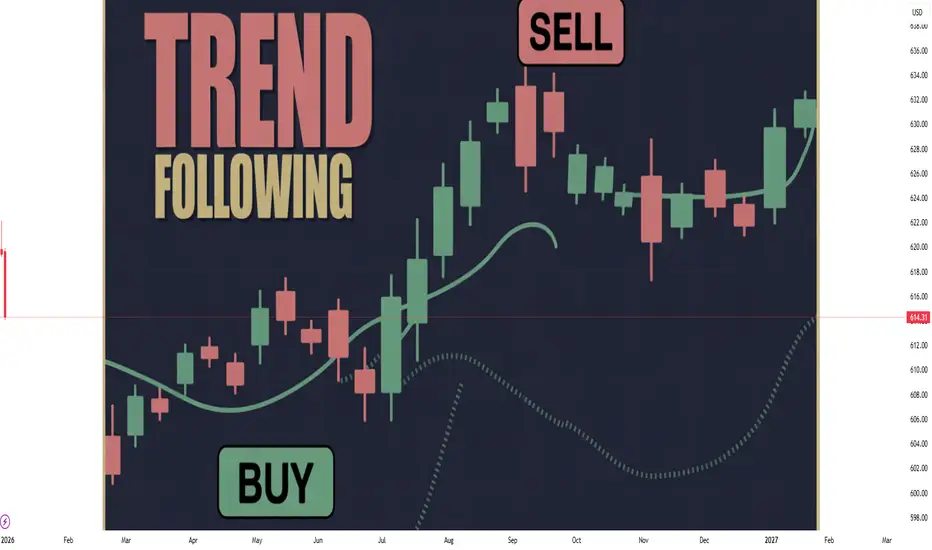
Indian traders are gradually shifting from discretionary, emotion-driven trading to rule-based and systematic strategies. Backtesting, automation, and quantitative models are gaining traction, especially among younger and tech-savvy traders. Momentum trading, trend-following systems, mean reversion strategies, and statistical arbitrage are becoming more common. This trend reflects a maturing market where consistency, discipline, and risk-adjusted returns are increasingly valued over speculative bets.
5. Increased Focus on Risk Management and Position Sizing
With higher participation and volatility, traders are becoming more aware of the importance of risk management. Concepts such as position sizing, stop-loss discipline, risk-reward ratios, and capital preservation are now widely discussed. Educational content on trading psychology and money management has grown rapidly. This shift suggests that traders are recognizing that long-term survival in markets depends more on managing losses than chasing profits.
6. Regulatory Evolution and Market Transparency
The role of regulators, particularly SEBI, has been crucial in shaping modern Indian markets. Recent trends include tighter margin norms, peak margin requirements, enhanced disclosure standards, and stricter oversight of derivatives trading. While these measures initially faced resistance, they have improved market integrity and reduced excessive leverage. Regulatory clarity has increased foreign investor confidence and strengthened India’s position as a credible global trading destination.
7. Sectoral and Thematic Trading Gaining Traction
Another prominent trend is the rise of sectoral and thematic trading. Traders increasingly focus on themes such as renewable energy, electric vehicles, defense, infrastructure, digital economy, and manufacturing-led growth. Government initiatives like “Make in India,” PLI schemes, and energy transition policies have influenced sector-based trades. Instead of trading isolated stocks, participants now analyze broader macro and policy-driven narratives, reflecting a more informed and structured approach.
8. Influence of Global Markets and Macroeconomic Factors
The Indian trading market is more globally connected than ever. Movements in US markets, crude oil prices, interest rate decisions by global central banks, currency fluctuations, and geopolitical developments have a direct impact on Indian indices. Traders actively track global cues, economic data, and policy announcements. This trend highlights India’s integration into the global financial system and the need for traders to adopt a multi-asset and macro-aware perspective.
9. Growth of Commodity and Currency Trading
Beyond equities, commodity and currency trading have seen steady growth. Gold, silver, crude oil, natural gas, and agricultural commodities attract traders seeking diversification and inflation hedging. Currency derivatives allow traders and businesses to manage forex risk more effectively. The increasing popularity of these segments reflects a broader understanding of cross-market relationships and portfolio diversification.
10. Expansion of Trading Education and Content Ecosystem
The Indian trading ecosystem has witnessed an explosion of educational platforms, webinars, social media content, and online communities. Traders now have access to structured courses on technical analysis, options strategies, trading psychology, and quantitative methods. While this has improved knowledge dissemination, it has also increased the need for discernment, as not all content is reliable. Nonetheless, the emphasis on education signals a transition toward more informed and skilled market participants.
11. Behavioral Shifts and Trading Psychology Awareness
Another important trend is the growing awareness of behavioral finance and trading psychology. Traders increasingly acknowledge the impact of emotions such as fear, greed, and overconfidence. Journaling, performance analysis, and mindset training are becoming integral parts of trading routines. This psychological maturity suggests that Indian traders are evolving beyond purely technical or fundamental approaches.
12. Long-Term Outlook and Market Maturity
Overall, the Indian trading market is moving toward greater depth, liquidity, and sophistication. While volatility and speculative behavior remain, the long-term trend points to a more mature ecosystem characterized by better regulation, advanced technology, and educated participants. India’s strong economic growth prospects, expanding middle class, and increasing financialization of savings provide a solid foundation for sustained market development.
Conclusion
The trends in the Indian trading market reflect a powerful combination of technology, participation, regulation, and global integration. From the rise of retail traders and derivatives dominance to systematic strategies and thematic trading, the market is evolving rapidly. While challenges such as excessive speculation and risk mismanagement persist, the overall direction is positive. As traders become more disciplined, informed, and technology-driven, the Indian trading market is well-positioned to play a leading role in the global financial landscape in the years ahead.

Related publications
Disclaimer
The information and publications are not meant to be, and do not constitute, financial, investment, trading, or other types of advice or recommendations supplied or endorsed by TradingView. Read more in the Terms of Use.
Related publications
Disclaimer
The information and publications are not meant to be, and do not constitute, financial, investment, trading, or other types of advice or recommendations supplied or endorsed by TradingView. Read more in the Terms of Use.