
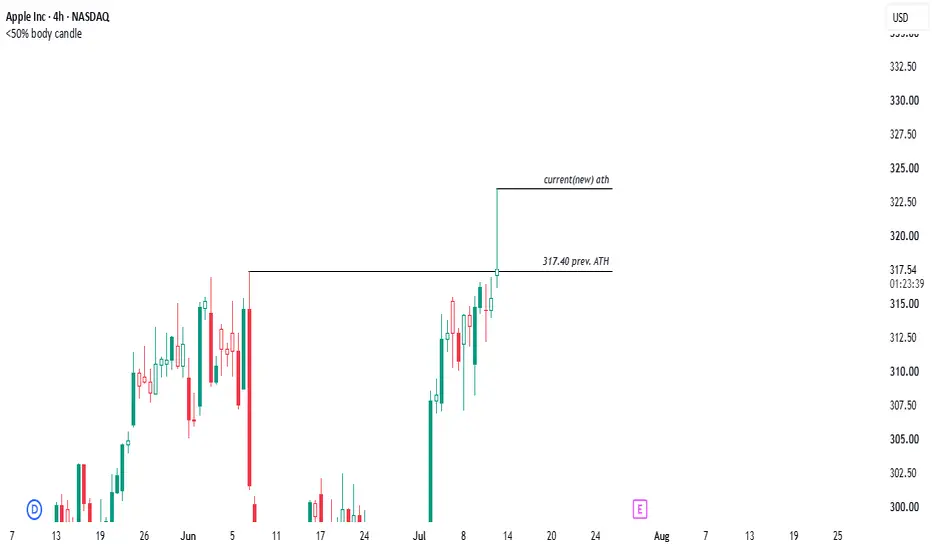
Apple has reached a new all-time high, with the stock gaining approximately 17% over the last 10 trading sessions and adding hundreds of billions of dollars to its market capitalization.
The move is not being driven by one single catalyst. It reflects a change in how investors are valuing the company’s position in a market increasingly focused on artificial intelligence, profitability, and capital efficiency.
The AI Spending Difference
One of the biggest reasons behind renewed optimism is Apple’s approach to artificial intelligence.
Unlike Microsoft, Amazon, Alphabet, and Meta, which are committing massive amounts of capital toward AI infrastructure and data centers, Apple has taken a more measured approach.
The company has historically operated with a strong focus on free cash flow generation and shareholder returns. While competitors are spending aggressively to build AI capacity, investors are beginning to ask a more important question:
How quickly will these AI investments translate into actual profits?
The market has rewarded companies that can prove AI monetization, but it has also become more selective about companies spending billions without clear returns.
Apple’s lower capital intensity gives investors confidence that the company can maintain strong cash generation while still integrating AI into its ecosystem.
Resilient Sales Changed the Narrative
Another factor supporting the rally is that Apple’s business has remained more resilient than many investors expected.
Before the recent move, expectations had already adjusted toward slower growth, particularly around iPhone demand and the broader consumer electronics market.
When expectations become very low, companies do not need perfect results to surprise investors. They only need to perform better than feared.
Apple’s ability to maintain revenue strength, protect margins, and continue generating significant cash flow has helped shift sentiment from caution back toward optimism.
Services Continue to Strengthen the Business
Apple is no longer valued only as an iPhone company.
Its services ecosystem, including areas such as the App Store, iCloud, Apple Music, and other subscription offerings, has become an increasingly important part of the business model.
Services typically carry higher margins than hardware, creating a more stable earnings profile over time.
This matters because investors often assign higher valuations to companies with predictable recurring revenue streams.
Buybacks Support Shareholder Value
Apple’s large share repurchase program remains another factor supporting the stock.
By consistently buying back its own shares, Apple reduces the number of shares outstanding, which can increase earnings per share and return capital to shareholders.
The company’s ability to generate large amounts of free cash flow allows it to continue rewarding shareholders while investing in future growth.
The Bullish Case vs The Bearish Risks
The bullish argument is becoming stronger because Apple combines several qualities investors currently value:
Strong free cash flow generation
A highly profitable ecosystem
Growing services revenue
A disciplined approach to AI spending
A powerful global brand
Significant shareholder returns
However, risks remain.
Apple still faces challenges from slowing smartphone growth, competition in China, regulatory pressure, and the need to prove that its AI strategy can create meaningful consumer value.
The market is not ignoring these risks. Instead, investors appear to believe Apple has enough financial strength and strategic flexibility to manage them.
What This Means for Traders
Apple’s rally shows how markets often price expectations, not just current results.
A company does not need to be growing the fastest to outperform. Sometimes the biggest moves happen when a high-quality company exceeds lowered expectations and investors begin re-rating its future potential.
Apple’s return to all-time highs is less about being the biggest AI spender and more about convincing investors that it can participate in the AI era without sacrificing the financial discipline that made it successful.
One Thing to Remember
Markets often reward the company that creates the best return on capital, not always the company that spends the most money.
put together by : Pako Phutietsile As currencynerd
The move is not being driven by one single catalyst. It reflects a change in how investors are valuing the company’s position in a market increasingly focused on artificial intelligence, profitability, and capital efficiency.
The AI Spending Difference
One of the biggest reasons behind renewed optimism is Apple’s approach to artificial intelligence.
Unlike Microsoft, Amazon, Alphabet, and Meta, which are committing massive amounts of capital toward AI infrastructure and data centers, Apple has taken a more measured approach.
The company has historically operated with a strong focus on free cash flow generation and shareholder returns. While competitors are spending aggressively to build AI capacity, investors are beginning to ask a more important question:
How quickly will these AI investments translate into actual profits?
The market has rewarded companies that can prove AI monetization, but it has also become more selective about companies spending billions without clear returns.
Apple’s lower capital intensity gives investors confidence that the company can maintain strong cash generation while still integrating AI into its ecosystem.
Resilient Sales Changed the Narrative
Another factor supporting the rally is that Apple’s business has remained more resilient than many investors expected.
Before the recent move, expectations had already adjusted toward slower growth, particularly around iPhone demand and the broader consumer electronics market.
When expectations become very low, companies do not need perfect results to surprise investors. They only need to perform better than feared.
Apple’s ability to maintain revenue strength, protect margins, and continue generating significant cash flow has helped shift sentiment from caution back toward optimism.
Services Continue to Strengthen the Business
Apple is no longer valued only as an iPhone company.
Its services ecosystem, including areas such as the App Store, iCloud, Apple Music, and other subscription offerings, has become an increasingly important part of the business model.
Services typically carry higher margins than hardware, creating a more stable earnings profile over time.
This matters because investors often assign higher valuations to companies with predictable recurring revenue streams.
Buybacks Support Shareholder Value
Apple’s large share repurchase program remains another factor supporting the stock.
By consistently buying back its own shares, Apple reduces the number of shares outstanding, which can increase earnings per share and return capital to shareholders.
The company’s ability to generate large amounts of free cash flow allows it to continue rewarding shareholders while investing in future growth.
The Bullish Case vs The Bearish Risks
The bullish argument is becoming stronger because Apple combines several qualities investors currently value:
Strong free cash flow generation
A highly profitable ecosystem
Growing services revenue
A disciplined approach to AI spending
A powerful global brand
Significant shareholder returns
However, risks remain.
Apple still faces challenges from slowing smartphone growth, competition in China, regulatory pressure, and the need to prove that its AI strategy can create meaningful consumer value.
The market is not ignoring these risks. Instead, investors appear to believe Apple has enough financial strength and strategic flexibility to manage them.
What This Means for Traders
Apple’s rally shows how markets often price expectations, not just current results.
A company does not need to be growing the fastest to outperform. Sometimes the biggest moves happen when a high-quality company exceeds lowered expectations and investors begin re-rating its future potential.
Apple’s return to all-time highs is less about being the biggest AI spender and more about convincing investors that it can participate in the AI era without sacrificing the financial discipline that made it successful.
One Thing to Remember
Markets often reward the company that creates the best return on capital, not always the company that spends the most money.
put together by : Pako Phutietsile As currencynerd

Pubblicazioni correlate
Declinazione di responsabilità
Le informazioni e le pubblicazioni non sono intese come, e non costituiscono, consulenza o raccomandazioni finanziarie, di investimento, di trading o di altro tipo fornite o approvate da TradingView. Per ulteriori informazioni, consultare i Termini di utilizzo.
Pubblicazioni correlate
Declinazione di responsabilità
Le informazioni e le pubblicazioni non sono intese come, e non costituiscono, consulenza o raccomandazioni finanziarie, di investimento, di trading o di altro tipo fornite o approvate da TradingView. Per ulteriori informazioni, consultare i Termini di utilizzo.