
What's up traders! 👋
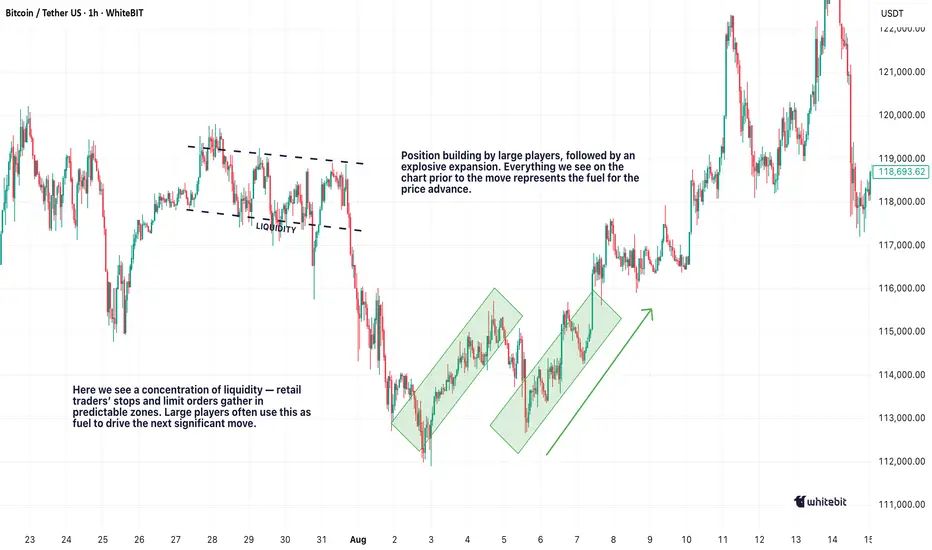
Tired of always playing catch-up? The real action is with smart money—the pros who move the market. Learn how to spot their moves, track liquidity, and catch the big waves before they crash. Ready to trade like a pro? Let's dive in.
What is Smart Money?
Smart money refers to the capital controlled by financial institutions, hedge funds, and professional investors who have more information, capital, and resources than individual retail traders. These players drive the market with calculated, informed decisions, creating price movements that less experienced traders often follow without understanding the full context.
Key Components of Smart Money Concept
The Smart Money Concept is not a single indicator or formula. Instead, it’s a framework that helps traders decode the market’s true intention. Here are the key principles that define SMC trading:
How to Trade Smart Money?
The key to trading using the Smart Money Concept lies in understanding where institutional traders are likely to be active and when their movements will influence the broader market. Here’s how to apply SMC principles in practice:
While retail traders react to price movement using lagging indicators, smart money traders lead the market. They exploit retail behavior, push price toward liquidity zones, and reverse direction once sufficient liquidity has been collected. This interaction between retail and institutional participants is the core of the Smart Money Concept.
By reading market structure, liquidity zones, and institutional behavior, traders can make more informed decisions and improve their edge. However, always remember — no strategy is foolproof. Apply your own analysis, manage risk carefully, and stay adaptable. The market rewards those who think ahead.
Tired of always playing catch-up? The real action is with smart money—the pros who move the market. Learn how to spot their moves, track liquidity, and catch the big waves before they crash. Ready to trade like a pro? Let's dive in.
What is Smart Money?
Smart money refers to the capital controlled by financial institutions, hedge funds, and professional investors who have more information, capital, and resources than individual retail traders. These players drive the market with calculated, informed decisions, creating price movements that less experienced traders often follow without understanding the full context.
Key Components of Smart Money Concept
The Smart Money Concept is not a single indicator or formula. Instead, it’s a framework that helps traders decode the market’s true intention. Here are the key principles that define SMC trading:
- Market Structure
By analyzing patterns such as higher highs and higher lows in uptrends, or lower highs and lower lows in downtrends, traders identify trend direction. A critical concept here is the Break of Structure (BOS), where price breaks through established patterns, indicating a potential trend reversal or continuation. - Liquidity Pools and Stop Hunts
Smart money players often seek liquidity pools, typically formed by retail traders' stop-loss orders. These areas are targeted to ensure large transactions can be completed with minimal slippage. Retail traders are often caught off guard when their stop-losses are triggered, allowing institutions to capitalize on this liquidity sweep. - Order Blocks
Order blocks are zones where large institutions have previously placed significant buy or sell orders. These areas often act as support or resistance levels in the future. Recognizing these zones gives traders an edge in predicting where price may react and reverse. - Fair Value Gaps
Fair Value Gaps (FVGs) occur when there is an imbalance between aggressive institutional orders and slower retail participation. These gaps often indicate that price will revisit these areas to fill the void left by unexecuted trades. Smart money traders use these imbalances to plan entries and exits.
How to Trade Smart Money?
The key to trading using the Smart Money Concept lies in understanding where institutional traders are likely to be active and when their movements will influence the broader market. Here’s how to apply SMC principles in practice:
- Identify Market Structure: Look for clear trend direction and structural shifts, such as Breaks of Structure (BOS) or Changes of Character (ChoCH).
- Spot Liquidity Pools: Identify where retail traders place stop-losses and anticipate institutional activity around these zones.
- Look for Order Blocks: Analyze historical price action to locate institutional entry zones.
- Monitor Fair Value Gaps: Track price imbalances caused by institutional activity and anticipate price revisits.
While retail traders react to price movement using lagging indicators, smart money traders lead the market. They exploit retail behavior, push price toward liquidity zones, and reverse direction once sufficient liquidity has been collected. This interaction between retail and institutional participants is the core of the Smart Money Concept.
By reading market structure, liquidity zones, and institutional behavior, traders can make more informed decisions and improve their edge. However, always remember — no strategy is foolproof. Apply your own analysis, manage risk carefully, and stay adaptable. The market rewards those who think ahead.

Rate us & share your experience.
Thanks for being part of our community 🚀
👉 Leave your review here: tradingview.com/broker/WhiteBIT/reviews/
Thanks for being part of our community 🚀
👉 Leave your review here: tradingview.com/broker/WhiteBIT/reviews/
Declinazione di responsabilità
Le informazioni e le pubblicazioni non sono intese come, e non costituiscono, consulenza o raccomandazioni finanziarie, di investimento, di trading o di altro tipo fornite o approvate da TradingView. Per ulteriori informazioni, consultare i Termini di utilizzo.
Rate us & share your experience.
Thanks for being part of our community 🚀
👉 Leave your review here: tradingview.com/broker/WhiteBIT/reviews/
Thanks for being part of our community 🚀
👉 Leave your review here: tradingview.com/broker/WhiteBIT/reviews/
Declinazione di responsabilità
Le informazioni e le pubblicazioni non sono intese come, e non costituiscono, consulenza o raccomandazioni finanziarie, di investimento, di trading o di altro tipo fornite o approvate da TradingView. Per ulteriori informazioni, consultare i Termini di utilizzo.