
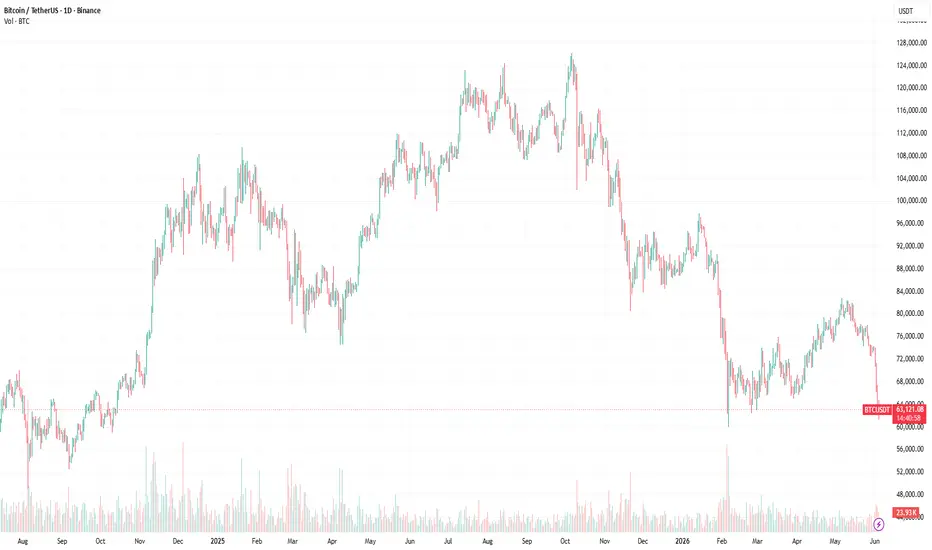
So you've decided to enter the world of trading. Welcome — and take a breath. Every professional trader you admire today once sat exactly where you are right now: at the beginning, with more questions than answers.
The good news? A strong foundation changes everything. Here is how to build yours the right way.
1. Understand What Trading Actually Is
Trading is not gambling, and it is not a get-rich-quick scheme. At its core, trading is the practice of buying and selling financial instruments — stocks, forex, commodities, or crypto — with the goal of generating profit from price movements.
The key difference between a trader and a gambler is a plan. Traders make decisions based on analysis, data, and strategy. Gamblers rely on luck.
2. Learn the Different Markets
Before choosing where to trade, understand your options:
Stock Market — buying shares of companies
Forex Market — trading currency pairs like EUR/USD
Commodities — gold, oil, silver, and agricultural products
Cryptocurrency — digital assets like Bitcoin and Ethereum
Indices — tracking the performance of a group of stocks
Each market has its own personality, trading hours, and risk profile. Start by exploring one before spreading yourself thin across all of them.
3. Master the Basics of Chart Reading
TradingView is one of the best tools available for this — and since you are here, you are already in the right place.
Start with these fundamentals:
Candlestick charts — each candle tells a story about price movement within a specific time period
Support and resistance levels — price zones where the market tends to react
Trend lines — identifying whether the market is moving up, down, or sideways
Volume — understanding how much activity is behind a price move
You do not need to master every indicator at once. Pick two or three and learn them deeply before adding more.
4. Build a Simple Trading Strategy
A strategy is simply a set of rules that tells you:
When to enter a trade
When to exit a trade
How much to risk on each trade
Your first strategy does not need to be complex. In fact, simpler is usually better for beginners. A basic moving average crossover or support/resistance breakout strategy is more than enough to get started.
Write your rules down. A strategy that only exists in your head is not really a strategy.
5. Risk Management Is Non-Negotiable
This is the single most important lesson in trading. You can have a winning strategy and still blow your account if you ignore risk management.
Follow these basic rules:
Never risk more than 1–2% of your account on a single trade
Always use a stop-loss — know your exit before you enter
Never chase losses — a bad day does not require immediate revenge trades
Position sizing matters — not every trade deserves the same amount of capital
Protecting your capital is always the priority. You cannot trade tomorrow if you lose everything today.
6. Practice Before You Risk Real Money
Almost every major platform — including TradingView — offers paper trading or demo accounts. Use them.
Paper trading lets you:
Test your strategy in real market conditions
Build confidence without financial risk
Identify weaknesses in your approach before they cost you real money
Spend at least 30–60 days trading on a demo account before switching to live funds. There is no shame in taking your time here — only wisdom.
7. Control Your Emotions
The market will test your patience, your discipline, and your confidence — often all in the same day.
The most dangerous emotions in trading are:
Fear — causing you to exit winning trades too early
Greed — causing you to hold losing trades too long
Overconfidence — leading to oversized positions after a winning streak
Revenge trading — making impulsive trades to recover losses quickly
Developing emotional discipline is a skill just like chart reading. It takes time and practice. Keeping a trading journal helps enormously — write down not just what you traded, but how you felt and why you made each decision.
8. Never Stop Learning
The markets are constantly evolving. The traders who last are the ones who treat trading as a lifelong education, not a destination.
Some practical ways to keep learning:
Follow experienced traders on TradingView and study their analysis
Read foundational trading books
Review your past trades regularly — your losses are your best teachers
Stay informed about economic events that move the markets
Final Thought
Building a foundation in trading takes time, patience, and consistency. There are no shortcuts worth taking. Every hour you spend learning, practicing, and refining your approach is an investment in your future as a trader.
Start small. Stay disciplined. Keep learning.
The markets will always be there — make sure you are too.
The good news? A strong foundation changes everything. Here is how to build yours the right way.
1. Understand What Trading Actually Is
Trading is not gambling, and it is not a get-rich-quick scheme. At its core, trading is the practice of buying and selling financial instruments — stocks, forex, commodities, or crypto — with the goal of generating profit from price movements.
The key difference between a trader and a gambler is a plan. Traders make decisions based on analysis, data, and strategy. Gamblers rely on luck.
2. Learn the Different Markets
Before choosing where to trade, understand your options:
Stock Market — buying shares of companies
Forex Market — trading currency pairs like EUR/USD
Commodities — gold, oil, silver, and agricultural products
Cryptocurrency — digital assets like Bitcoin and Ethereum
Indices — tracking the performance of a group of stocks
Each market has its own personality, trading hours, and risk profile. Start by exploring one before spreading yourself thin across all of them.
3. Master the Basics of Chart Reading
TradingView is one of the best tools available for this — and since you are here, you are already in the right place.
Start with these fundamentals:
Candlestick charts — each candle tells a story about price movement within a specific time period
Support and resistance levels — price zones where the market tends to react
Trend lines — identifying whether the market is moving up, down, or sideways
Volume — understanding how much activity is behind a price move
You do not need to master every indicator at once. Pick two or three and learn them deeply before adding more.
4. Build a Simple Trading Strategy
A strategy is simply a set of rules that tells you:
When to enter a trade
When to exit a trade
How much to risk on each trade
Your first strategy does not need to be complex. In fact, simpler is usually better for beginners. A basic moving average crossover or support/resistance breakout strategy is more than enough to get started.
Write your rules down. A strategy that only exists in your head is not really a strategy.
5. Risk Management Is Non-Negotiable
This is the single most important lesson in trading. You can have a winning strategy and still blow your account if you ignore risk management.
Follow these basic rules:
Never risk more than 1–2% of your account on a single trade
Always use a stop-loss — know your exit before you enter
Never chase losses — a bad day does not require immediate revenge trades
Position sizing matters — not every trade deserves the same amount of capital
Protecting your capital is always the priority. You cannot trade tomorrow if you lose everything today.
6. Practice Before You Risk Real Money
Almost every major platform — including TradingView — offers paper trading or demo accounts. Use them.
Paper trading lets you:
Test your strategy in real market conditions
Build confidence without financial risk
Identify weaknesses in your approach before they cost you real money
Spend at least 30–60 days trading on a demo account before switching to live funds. There is no shame in taking your time here — only wisdom.
7. Control Your Emotions
The market will test your patience, your discipline, and your confidence — often all in the same day.
The most dangerous emotions in trading are:
Fear — causing you to exit winning trades too early
Greed — causing you to hold losing trades too long
Overconfidence — leading to oversized positions after a winning streak
Revenge trading — making impulsive trades to recover losses quickly
Developing emotional discipline is a skill just like chart reading. It takes time and practice. Keeping a trading journal helps enormously — write down not just what you traded, but how you felt and why you made each decision.
8. Never Stop Learning
The markets are constantly evolving. The traders who last are the ones who treat trading as a lifelong education, not a destination.
Some practical ways to keep learning:
Follow experienced traders on TradingView and study their analysis
Read foundational trading books
Review your past trades regularly — your losses are your best teachers
Stay informed about economic events that move the markets
Final Thought
Building a foundation in trading takes time, patience, and consistency. There are no shortcuts worth taking. Every hour you spend learning, practicing, and refining your approach is an investment in your future as a trader.
Start small. Stay disciplined. Keep learning.
The markets will always be there — make sure you are too.

Declinazione di responsabilità
Le informazioni e le pubblicazioni non sono intese come, e non costituiscono, consulenza o raccomandazioni finanziarie, di investimento, di trading o di altro tipo fornite o approvate da TradingView. Per ulteriori informazioni, consultare i Termini di utilizzo.
Declinazione di responsabilità
Le informazioni e le pubblicazioni non sono intese come, e non costituiscono, consulenza o raccomandazioni finanziarie, di investimento, di trading o di altro tipo fornite o approvate da TradingView. Per ulteriori informazioni, consultare i Termini di utilizzo.