
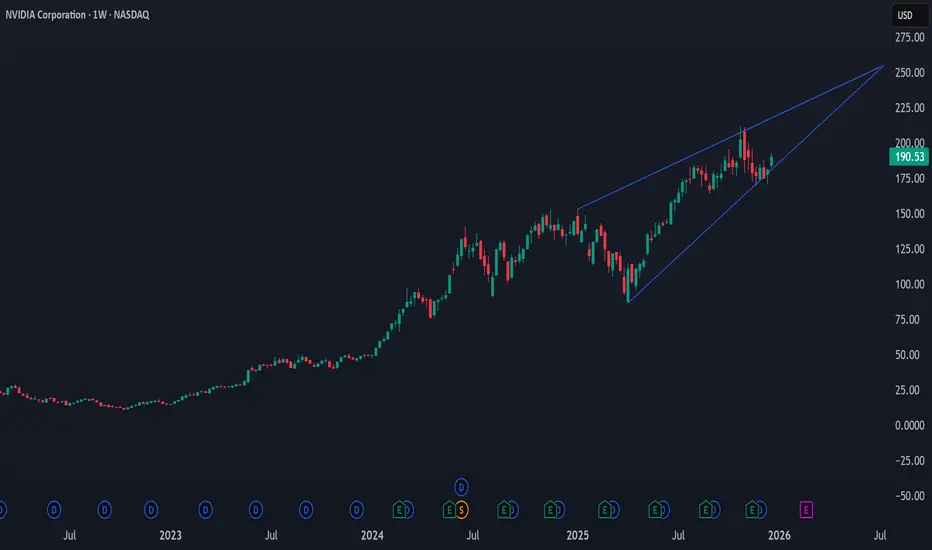
NVIDIA recently shocked the tech world with a massive strategic play. The company announced a $20 billion cash deal to license Groq’s technology. This "acqui-hire" secures elite engineering talent, including Groq founder Jonathan Ross. NVIDIA is aggressively reinvesting its massive cash pile to secure total future dominance. The market responded instantly, pushing NVIDIA’s valuation past the $4.6 trillion milestone.
Industry Trends: Navigating the Inference Flip
The AI market shifted fundamentally in late 2025. For years, the industry focused on training massive models. NVIDIA’s Blackwell and Hopper GPUs led that charge. However, revenue from AI Inference (running models) has now surpassed training revenue. This shift, known as the "Inference Flip," demands a new hardware approach.
Training is a one-time event, but inference is a 24/7 utility. Every chatbot response or robotic movement requires high-speed inference. NVIDIA’s move ensures it leads this continuous, high-volume segment of the global economy.
Technology & Science: GPUs vs. LPUs
NVIDIA’s GPUs are powerful "freight trains" built for massive data volume. They excel at throughput but often face latency issues. Conversely, Groq’s Language Processing Units (LPUs) function like Formula 1 cars. They prioritize instant acceleration and real-time speed.
Groq’s chips process up to 500 tokens per second. Standard GPU setups often struggle to reach 100 tokens. By absorbing this technology, NVIDIA bridges its only significant performance gap. This integration provides the low-latency infrastructure required for future agentic AI.
Business Models & Regulatory Strategy
The Federal Trade Commission (FTC) remains a major hurdle for big tech. A traditional merger would likely face a direct block from regulators. NVIDIA’s management navigated this risk with an innovative "reverse acqui-hire" model.
NVIDIA pays for intellectual property and hires core staff. However, the Groq corporate entity technically remains independent. This structure avoids the mandatory waiting periods of the Hart-Scott-Rodino Act. NVIDIA gains the technology today without years of litigation or regulatory delays.
Management & Leadership: Neutralizing the Competition
Human capital is the most valuable asset in this transaction. Jonathan Ross, the creator of Google’s TPU, now joins NVIDIA. This move effectively strips Google of a key architectural visionary.
NVIDIA is not just buying chips; it is absorbing the brains behind them. This leadership transition neutralizes a potent rival. It also deprives competitors of the talent needed to build custom silicon alternatives.
Macroeconomics & Financial Power
NVIDIA’s financials are essentially flawless. The company generated $22.1 billion in free cash flow in just one quarter. Effectively, NVIDIA paid for this expansion with only three months of profit.
The stock trades at a forward P/E of 23x, suggesting strong growth. High interest rates often pressure tech companies, but NVIDIA remains immune. Its cash reserves allow for aggressive expansion while still rewarding shareholders with dividends.
Innovation & Patent Analysis
Intellectual property is the bedrock of NVIDIA’s long-term moat. The company will integrate Groq’s low-latency IP into its upcoming Rubin architecture. This ensures its "AI Factory" platform remains the industry standard.
NVIDIA is evolving from a hardware vendor into a comprehensive AI Operating System. Every patent and strategic hire reinforces this ecosystem. Competitors find it increasingly difficult to offer a viable alternative to the NVIDIA stack.
Industry Trends: Navigating the Inference Flip
The AI market shifted fundamentally in late 2025. For years, the industry focused on training massive models. NVIDIA’s Blackwell and Hopper GPUs led that charge. However, revenue from AI Inference (running models) has now surpassed training revenue. This shift, known as the "Inference Flip," demands a new hardware approach.
Training is a one-time event, but inference is a 24/7 utility. Every chatbot response or robotic movement requires high-speed inference. NVIDIA’s move ensures it leads this continuous, high-volume segment of the global economy.
Technology & Science: GPUs vs. LPUs
NVIDIA’s GPUs are powerful "freight trains" built for massive data volume. They excel at throughput but often face latency issues. Conversely, Groq’s Language Processing Units (LPUs) function like Formula 1 cars. They prioritize instant acceleration and real-time speed.
Groq’s chips process up to 500 tokens per second. Standard GPU setups often struggle to reach 100 tokens. By absorbing this technology, NVIDIA bridges its only significant performance gap. This integration provides the low-latency infrastructure required for future agentic AI.
Business Models & Regulatory Strategy
The Federal Trade Commission (FTC) remains a major hurdle for big tech. A traditional merger would likely face a direct block from regulators. NVIDIA’s management navigated this risk with an innovative "reverse acqui-hire" model.
NVIDIA pays for intellectual property and hires core staff. However, the Groq corporate entity technically remains independent. This structure avoids the mandatory waiting periods of the Hart-Scott-Rodino Act. NVIDIA gains the technology today without years of litigation or regulatory delays.
Management & Leadership: Neutralizing the Competition
Human capital is the most valuable asset in this transaction. Jonathan Ross, the creator of Google’s TPU, now joins NVIDIA. This move effectively strips Google of a key architectural visionary.
NVIDIA is not just buying chips; it is absorbing the brains behind them. This leadership transition neutralizes a potent rival. It also deprives competitors of the talent needed to build custom silicon alternatives.
Macroeconomics & Financial Power
NVIDIA’s financials are essentially flawless. The company generated $22.1 billion in free cash flow in just one quarter. Effectively, NVIDIA paid for this expansion with only three months of profit.
The stock trades at a forward P/E of 23x, suggesting strong growth. High interest rates often pressure tech companies, but NVIDIA remains immune. Its cash reserves allow for aggressive expansion while still rewarding shareholders with dividends.
Innovation & Patent Analysis
Intellectual property is the bedrock of NVIDIA’s long-term moat. The company will integrate Groq’s low-latency IP into its upcoming Rubin architecture. This ensures its "AI Factory" platform remains the industry standard.
NVIDIA is evolving from a hardware vendor into a comprehensive AI Operating System. Every patent and strategic hire reinforces this ecosystem. Competitors find it increasingly difficult to offer a viable alternative to the NVIDIA stack.

Declinazione di responsabilità
Le informazioni e le pubblicazioni non sono intese come, e non costituiscono, consulenza o raccomandazioni finanziarie, di investimento, di trading o di altro tipo fornite o approvate da TradingView. Per ulteriori informazioni, consultare i Termini di utilizzo.
Declinazione di responsabilità
Le informazioni e le pubblicazioni non sono intese come, e non costituiscono, consulenza o raccomandazioni finanziarie, di investimento, di trading o di altro tipo fornite o approvate da TradingView. Per ulteriori informazioni, consultare i Termini di utilizzo.