Long
Will Quantum Computing Make Our Digital Fortresses Crumble?
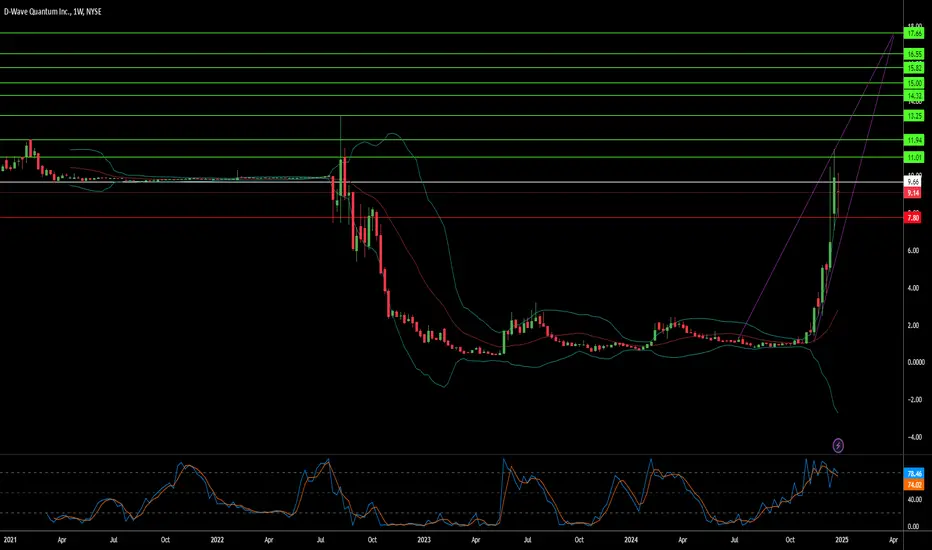
In the race toward quantum supremacy, D-Wave Systems stands as a testament to humanity's relentless pursuit of computational boundaries. Their latest Advantage2 processor, boasting over 4,400 qubits, doesn't just represent an incremental step forward—it demonstrates quantum computing's transformation from theoretical promise to practical reality. With processing capabilities 25,000 times faster than its predecessors in materials science applications, we're witnessing the dawn of a new computational era.
This quantum revolution extends far beyond laboratory walls. NASA and Google's collaborative Quantum Artificial Intelligence Lab exemplifies how quantum computing is already reshaping our approach to complex challenges. From simulating planetary atmospheres to optimizing space missions, these systems tackle problems that traditional computers find insurmountable. The technology's ability to explore multiple solutions simultaneously opens doors to possibilities we're only beginning to imagine.
However, recent developments from Chinese researchers using D-Wave systems to breach encryption algorithms present a double-edged sword. While showcasing quantum computing's extraordinary potential, these breakthroughs signal a fundamental shift in cybersecurity paradigms. As we stand at this technological crossroads, the question isn't whether quantum computing will transform our world, but how we'll adapt to its profound implications for security, science, and society. The future isn't just approaching—it's already unfolding at quantum speed.
This quantum revolution extends far beyond laboratory walls. NASA and Google's collaborative Quantum Artificial Intelligence Lab exemplifies how quantum computing is already reshaping our approach to complex challenges. From simulating planetary atmospheres to optimizing space missions, these systems tackle problems that traditional computers find insurmountable. The technology's ability to explore multiple solutions simultaneously opens doors to possibilities we're only beginning to imagine.
However, recent developments from Chinese researchers using D-Wave systems to breach encryption algorithms present a double-edged sword. While showcasing quantum computing's extraordinary potential, these breakthroughs signal a fundamental shift in cybersecurity paradigms. As we stand at this technological crossroads, the question isn't whether quantum computing will transform our world, but how we'll adapt to its profound implications for security, science, and society. The future isn't just approaching—it's already unfolding at quantum speed.

Connecting the dots to Decode the Invisible. This post is a summary. To understand the rigged game, you need the evidence. Access the Full Analysis + Raw Sources (Lab Reports, Patents, Academic Research & Cyber Intel). See the reality here ➜ udisview.com
Declinazione di responsabilità
Le informazioni e le pubblicazioni non sono intese come, e non costituiscono, consulenza o raccomandazioni finanziarie, di investimento, di trading o di altro tipo fornite o approvate da TradingView. Per ulteriori informazioni, consultare i Termini di utilizzo.
Connecting the dots to Decode the Invisible. This post is a summary. To understand the rigged game, you need the evidence. Access the Full Analysis + Raw Sources (Lab Reports, Patents, Academic Research & Cyber Intel). See the reality here ➜ udisview.com
Declinazione di responsabilità
Le informazioni e le pubblicazioni non sono intese come, e non costituiscono, consulenza o raccomandazioni finanziarie, di investimento, di trading o di altro tipo fornite o approvate da TradingView. Per ulteriori informazioni, consultare i Termini di utilizzo.