

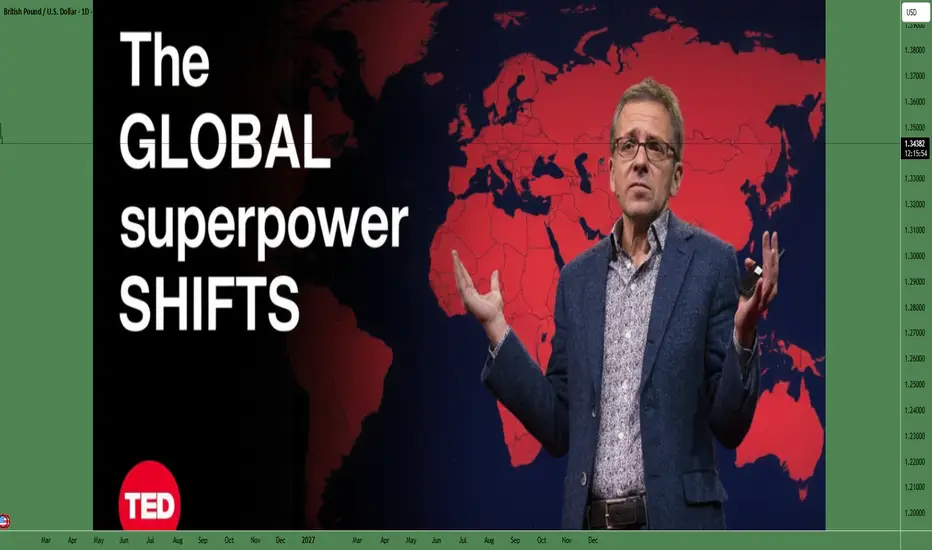
The concept of global superpowers has never been static. Throughout history, dominance has shifted from one civilization or nation to another based on economic strength, military capability, technological advancement, political influence, and cultural reach. In the 21st century, the world is witnessing a significant transformation in the global balance of power. Traditional superpowers are reassessing their roles, while emerging nations are asserting themselves with growing confidence. These shifts are reshaping international relations, global markets, security frameworks, and the future of global governance.
Understanding Global Superpower Shifts
A global superpower is generally defined as a nation that can project influence across the world in multiple domains—military, economic, political, technological, and cultural. Power shifts occur when one or more countries experience a relative rise or decline in these capabilities. Such transitions are often gradual but can accelerate due to major events such as wars, economic crises, technological revolutions, or pandemics.
The current global power shift is not about the sudden collapse of one power and the rise of another, but rather about the movement from a largely unipolar world to a more multipolar or even fragmented global order.
The Decline of Unipolarity
Following the end of the Cold War in the early 1990s, the United States emerged as the world’s sole superpower. It dominated global finance, military strength, technological innovation, and cultural influence. However, over the past two decades, this unipolar moment has gradually weakened.
Several factors have contributed to this shift. Prolonged military engagements, rising domestic polarization, growing national debt, and challenges to globalization have constrained the ability of the United States to act as the uncontested leader of the global system. While the U.S. remains immensely powerful, its relative dominance is now being challenged by other nations and coalitions.
The Rise of China as a Strategic Rival
China represents the most significant driver of global power transition in the modern era. Through rapid industrialization, export-driven growth, and state-led development strategies, China has transformed itself into the world’s second-largest economy. Its influence extends across Asia, Africa, Europe, and Latin America through trade, infrastructure investment, and diplomatic engagement.
China’s Belt and Road Initiative has expanded its geopolitical footprint, while advancements in technology, manufacturing, artificial intelligence, and renewable energy have strengthened its economic resilience. Militarily, China has modernized its forces, especially in naval and missile capabilities, allowing it to project power regionally and challenge existing security arrangements.
This rise has introduced strategic competition, particularly in areas such as trade, technology, cyberspace, and global governance institutions. The U.S.–China relationship has become a central axis around which global power dynamics now revolve.
Russia and the Politics of Disruption
Russia, though not an economic superpower on the scale of the U.S. or China, continues to exert significant global influence through military strength, energy resources, and strategic diplomacy. It has positioned itself as a challenger to Western dominance by leveraging asymmetric tools such as cyber operations, energy diplomacy, and regional military interventions.
Russia’s actions highlight an important aspect of modern power shifts: influence does not always depend on economic size alone. Strategic positioning, control of resources, and the ability to disrupt existing systems can allow states to punch above their economic weight in global affairs.
The Emergence of Middle Powers
One of the most notable features of today’s global shift is the rise of influential middle powers. Countries such as India, Brazil, Indonesia, Turkey, South Africa, and Vietnam are gaining importance due to their demographic strength, economic growth, and regional leadership.
India, in particular, is becoming a key player in global politics. With a rapidly growing economy, a large and youthful population, expanding technological capabilities, and an increasingly assertive foreign policy, India is positioning itself as a bridge between developed and developing worlds. These middle powers are not necessarily seeking global dominance but are shaping outcomes by forming flexible alliances and pursuing strategic autonomy.
Economic Power and Global Markets
Economic strength remains the foundation of global power. The shift in economic gravity from the West to Asia is one of the defining trends of the 21st century. Emerging economies now contribute a larger share of global growth, trade, and consumption.
Global supply chains are also being restructured. Geopolitical tensions, technological decoupling, and the lessons learned from global disruptions have encouraged countries to diversify trade relationships and reduce dependence on single suppliers. This economic rebalancing is weakening traditional centers of power while creating new hubs of influence.
Technology as a New Arena of Power
Technology has become a central battleground in the struggle for global dominance. Control over critical technologies—such as semiconductors, artificial intelligence, biotechnology, space systems, and cyber infrastructure—now determines long-term strategic advantage.
Countries that lead in innovation can shape global standards, control data flows, and influence economic and military outcomes. This technological competition is accelerating power shifts and redefining what it means to be a superpower in the modern world.
Multipolarity and Global Governance
As power becomes more dispersed, the global system is moving toward multipolarity. Instead of one or two dominant powers, multiple countries and blocs now influence global decision-making. This has made international cooperation more complex but also more inclusive.
Institutions created in the mid-20th century are being challenged to adapt to new realities. Emerging powers are demanding greater representation and influence, while established powers seek to preserve existing norms. The success or failure of this transition will shape the stability of the global order.
Conclusion
The shifting landscape of global superpowers reflects deeper transformations in economics, technology, demographics, and geopolitics. The world is no longer defined by a single dominant power but by a dynamic and evolving balance among multiple actors. This transition brings both risks and opportunities—risks of rivalry and instability, and opportunities for cooperation and shared leadership.
Understanding these shifts is essential for governments, businesses, and individuals alike. As the global order continues to evolve, adaptability, strategic thinking, and collaboration will determine which nations thrive and how the future of global power is shaped.
Understanding Global Superpower Shifts
A global superpower is generally defined as a nation that can project influence across the world in multiple domains—military, economic, political, technological, and cultural. Power shifts occur when one or more countries experience a relative rise or decline in these capabilities. Such transitions are often gradual but can accelerate due to major events such as wars, economic crises, technological revolutions, or pandemics.
The current global power shift is not about the sudden collapse of one power and the rise of another, but rather about the movement from a largely unipolar world to a more multipolar or even fragmented global order.
The Decline of Unipolarity
Following the end of the Cold War in the early 1990s, the United States emerged as the world’s sole superpower. It dominated global finance, military strength, technological innovation, and cultural influence. However, over the past two decades, this unipolar moment has gradually weakened.
Several factors have contributed to this shift. Prolonged military engagements, rising domestic polarization, growing national debt, and challenges to globalization have constrained the ability of the United States to act as the uncontested leader of the global system. While the U.S. remains immensely powerful, its relative dominance is now being challenged by other nations and coalitions.
The Rise of China as a Strategic Rival
China represents the most significant driver of global power transition in the modern era. Through rapid industrialization, export-driven growth, and state-led development strategies, China has transformed itself into the world’s second-largest economy. Its influence extends across Asia, Africa, Europe, and Latin America through trade, infrastructure investment, and diplomatic engagement.
China’s Belt and Road Initiative has expanded its geopolitical footprint, while advancements in technology, manufacturing, artificial intelligence, and renewable energy have strengthened its economic resilience. Militarily, China has modernized its forces, especially in naval and missile capabilities, allowing it to project power regionally and challenge existing security arrangements.
This rise has introduced strategic competition, particularly in areas such as trade, technology, cyberspace, and global governance institutions. The U.S.–China relationship has become a central axis around which global power dynamics now revolve.
Russia and the Politics of Disruption
Russia, though not an economic superpower on the scale of the U.S. or China, continues to exert significant global influence through military strength, energy resources, and strategic diplomacy. It has positioned itself as a challenger to Western dominance by leveraging asymmetric tools such as cyber operations, energy diplomacy, and regional military interventions.
Russia’s actions highlight an important aspect of modern power shifts: influence does not always depend on economic size alone. Strategic positioning, control of resources, and the ability to disrupt existing systems can allow states to punch above their economic weight in global affairs.
The Emergence of Middle Powers
One of the most notable features of today’s global shift is the rise of influential middle powers. Countries such as India, Brazil, Indonesia, Turkey, South Africa, and Vietnam are gaining importance due to their demographic strength, economic growth, and regional leadership.
India, in particular, is becoming a key player in global politics. With a rapidly growing economy, a large and youthful population, expanding technological capabilities, and an increasingly assertive foreign policy, India is positioning itself as a bridge between developed and developing worlds. These middle powers are not necessarily seeking global dominance but are shaping outcomes by forming flexible alliances and pursuing strategic autonomy.
Economic Power and Global Markets
Economic strength remains the foundation of global power. The shift in economic gravity from the West to Asia is one of the defining trends of the 21st century. Emerging economies now contribute a larger share of global growth, trade, and consumption.
Global supply chains are also being restructured. Geopolitical tensions, technological decoupling, and the lessons learned from global disruptions have encouraged countries to diversify trade relationships and reduce dependence on single suppliers. This economic rebalancing is weakening traditional centers of power while creating new hubs of influence.
Technology as a New Arena of Power
Technology has become a central battleground in the struggle for global dominance. Control over critical technologies—such as semiconductors, artificial intelligence, biotechnology, space systems, and cyber infrastructure—now determines long-term strategic advantage.
Countries that lead in innovation can shape global standards, control data flows, and influence economic and military outcomes. This technological competition is accelerating power shifts and redefining what it means to be a superpower in the modern world.
Multipolarity and Global Governance
As power becomes more dispersed, the global system is moving toward multipolarity. Instead of one or two dominant powers, multiple countries and blocs now influence global decision-making. This has made international cooperation more complex but also more inclusive.
Institutions created in the mid-20th century are being challenged to adapt to new realities. Emerging powers are demanding greater representation and influence, while established powers seek to preserve existing norms. The success or failure of this transition will shape the stability of the global order.
Conclusion
The shifting landscape of global superpowers reflects deeper transformations in economics, technology, demographics, and geopolitics. The world is no longer defined by a single dominant power but by a dynamic and evolving balance among multiple actors. This transition brings both risks and opportunities—risks of rivalry and instability, and opportunities for cooperation and shared leadership.
Understanding these shifts is essential for governments, businesses, and individuals alike. As the global order continues to evolve, adaptability, strategic thinking, and collaboration will determine which nations thrive and how the future of global power is shaped.

関連の投稿
免責事項
これらの情報および投稿は、TradingViewが提供または承認する金融、投資、取引、またはその他の種類の助言もしくは推奨であることを意図したものではなく、またこれらに該当するものでもありません。詳細は利用規約をご覧ください。
関連の投稿
免責事項
これらの情報および投稿は、TradingViewが提供または承認する金融、投資、取引、またはその他の種類の助言もしくは推奨であることを意図したものではなく、またこれらに該当するものでもありません。詳細は利用規約をご覧ください。