
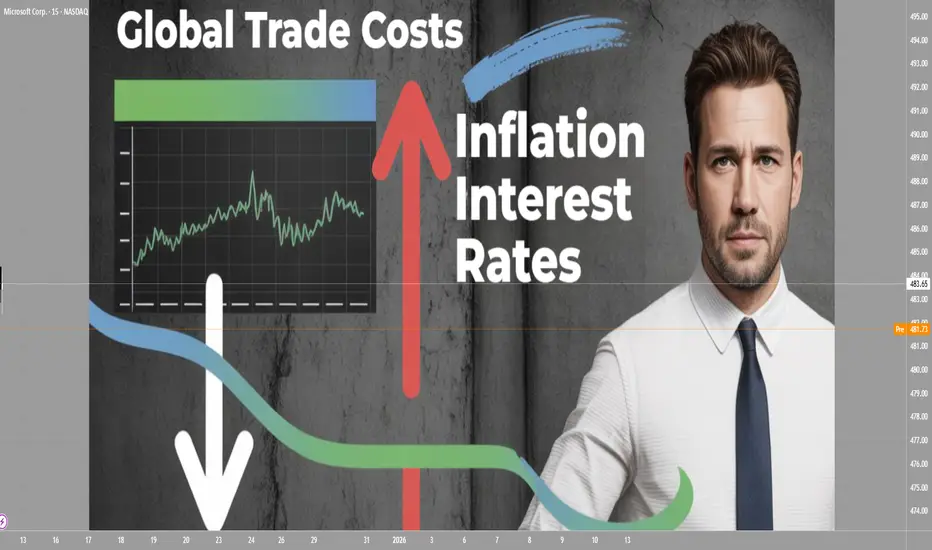
1. Global Trade Costs: What They Are and Why They Matter
Global trade costs refer to all expenses involved in moving goods or services from one country to another. These costs end up affecting product prices, competitiveness, and economic growth.
A. Components of Trade Costs
Transportation Costs
Shipping, aviation, trucking, rail freight
Fuel prices
Port handling and container charges
Insurance on cargo
When fuel prices rise or there is a shortage of containers (like after COVID-19), transportation costs shoot up sharply.
Tariffs
Governments impose taxes on imported goods. Tariffs can protect domestic industries but increase prices for consumers.
Non-Tariff Barriers (NTBs)
These include:
Quality standards
Product certifications
Customs procedures
Import quotas
Environmental and safety regulations
NTBs often add delays and compliance costs.
Exchange Rate Fluctuations
If a country’s currency weakens, its imports become more expensive; if it strengthens, imports become cheaper.
Political and Geopolitical Risks
War, sanctions, tensions between countries
Trade agreements collapsing
Piracy risks on shipping routes
These uncertainties raise risk premiums and insurance costs.
Logistical Efficiency
Countries with strong ports, roads, and customs technology have far lower trade costs.
B. Impact of High Trade Costs
Higher export and import prices
Reduced competitiveness in global markets
Lower consumer choices
Slowdown in global supply chains
Inflationary pressure, especially in import-dependent countries
Thus, trade cost is not just an economic number—it is a powerful driver behind global price movements.
2. Inflation: The Price Level That Affects Everyone
Inflation is the rate at which the general price level of goods and services rises over time. When inflation increases, money loses value, and purchasing power declines.
A. Major Causes of Inflation
Demand-Pull Inflation
When demand is higher than supply (e.g., festival season, economic boom), prices rise.
Cost-Push Inflation
When the cost of production increases—due to higher raw material prices, trade costs, or wages—producers raise prices.
Imported Inflation
Many countries depend on imports for food, energy, metals, or electronics.
If global trade costs increase or the currency weakens, import prices rise and inflation increases.
Supply Chain Disruptions
Events such as pandemics, geopolitical conflicts, and natural disasters break supply chains and reduce availability, leading to higher prices.
Monetary Factors
When central banks print too much money or keep interest rates too low, prices tend to rise.
B. Effects of Inflation
Reduced purchasing power
Higher cost of living
Lower savings value
Increased business uncertainty
Wage-price spiral
Pressure on governments and central banks to intervene
Moderate inflation is normal, but high inflation or hyperinflation can destabilize entire economies.
3. Interest Rates: The Financial Lever Controlling Inflation
Interest rates are the cost of borrowing money. Central banks (like the Federal Reserve, ECB, RBI, etc.) adjust interest rates to stabilize economic growth and inflation.
A. How Interest Rates Work
When interest rates rise:
Loans become expensive
Businesses reduce investments
Consumers cut spending
Savings become attractive
Economy slows
Inflation typically falls
When interest rates fall:
Borrowing becomes cheaper
Investment and consumption rise
Economy grows
If demand grows too fast, inflation increases
Interest rates are the primary tool used by central banks to fight inflation.
4. How Global Trade Costs, Inflation, and Interest Rates Interact
These three forces are deeply interconnected, and one change triggers reactions in the others.
A. High Trade Costs → Higher Inflation
When trade costs rise due to fuel surges, war disruptions, or container shortages:
Transportation becomes expensive
Imports cost more
Raw materials become pricier
Companies pass these costs to consumers
This leads to cost-push inflation, especially in developing countries dependent on imported commodities.
Examples:
Oil price increases raise transportation costs globally.
War in major shipping routes slow down container movement and raise freight rates.
B. Inflation → Higher Interest Rates
When inflation rises above a country’s target (usually 2–6%), central banks increase interest rates to cool the economy.
This is called monetary tightening.
Why?
Higher interest rates reduce demand in the economy and slow down price growth.
C. Higher Interest Rates → Higher Trade Costs
When interest rates rise globally:
The cost of financing ships, warehouses, and inventory increases
Multinational companies borrow less
Currency values fluctuate
Emerging markets face capital outflows
Trade slows, increasing per-unit shipping costs
Thus, interest rate hikes indirectly increase global trade costs.
D. Higher Interest Rates → Stronger Domestic Currency
This reduces imported inflation because foreign goods become cheaper.
But if a strong currency hurts export competitiveness, trade volumes may decline.
5. The Global Cycle: How One Factor Creates a Chain Reaction
A typical cycle looks like this:
Trade costs rise due to global disruptions.
This causes imported inflation.
Central banks respond by raising interest rates.
Higher interest rates:
slow down demand
reduce inflation
increase borrowing cost
Businesses cut production or trade volumes, which eventually lowers global trade costs again.
This balancing cycle is what keeps global markets stable over time.
6. Why These Factors Matter More Today
Global markets face many new challenges:
Fragmenting supply chains (“China+1” diversification)
Geopolitical tensions
Climate-related disruptions
Volatile energy prices
Uncertain global monetary policies
All these factors make the interaction between trade costs, inflation, and interest rates more unpredictable. Investors, traders, and policymakers must track them closely to anticipate market movements.
Conclusion
Global trade costs, inflation, and interest rates form a powerful economic triangle that influences every country, company, and consumer in the world. Trade costs shape prices, inflation determines purchasing power, and interest rates regulate economic stability. Their interaction drives global growth cycles, financial markets, and corporate strategies. Understanding this dynamic helps traders, economists, and students decode global market behavior in a clear, structured manner.
Global trade costs refer to all expenses involved in moving goods or services from one country to another. These costs end up affecting product prices, competitiveness, and economic growth.
A. Components of Trade Costs
Transportation Costs
Shipping, aviation, trucking, rail freight
Fuel prices
Port handling and container charges
Insurance on cargo
When fuel prices rise or there is a shortage of containers (like after COVID-19), transportation costs shoot up sharply.
Tariffs
Governments impose taxes on imported goods. Tariffs can protect domestic industries but increase prices for consumers.
Non-Tariff Barriers (NTBs)
These include:
Quality standards
Product certifications
Customs procedures
Import quotas
Environmental and safety regulations
NTBs often add delays and compliance costs.
Exchange Rate Fluctuations
If a country’s currency weakens, its imports become more expensive; if it strengthens, imports become cheaper.
Political and Geopolitical Risks
War, sanctions, tensions between countries
Trade agreements collapsing
Piracy risks on shipping routes
These uncertainties raise risk premiums and insurance costs.
Logistical Efficiency
Countries with strong ports, roads, and customs technology have far lower trade costs.
B. Impact of High Trade Costs
Higher export and import prices
Reduced competitiveness in global markets
Lower consumer choices
Slowdown in global supply chains
Inflationary pressure, especially in import-dependent countries
Thus, trade cost is not just an economic number—it is a powerful driver behind global price movements.
2. Inflation: The Price Level That Affects Everyone
Inflation is the rate at which the general price level of goods and services rises over time. When inflation increases, money loses value, and purchasing power declines.
A. Major Causes of Inflation
Demand-Pull Inflation
When demand is higher than supply (e.g., festival season, economic boom), prices rise.
Cost-Push Inflation
When the cost of production increases—due to higher raw material prices, trade costs, or wages—producers raise prices.
Imported Inflation
Many countries depend on imports for food, energy, metals, or electronics.
If global trade costs increase or the currency weakens, import prices rise and inflation increases.
Supply Chain Disruptions
Events such as pandemics, geopolitical conflicts, and natural disasters break supply chains and reduce availability, leading to higher prices.
Monetary Factors
When central banks print too much money or keep interest rates too low, prices tend to rise.
B. Effects of Inflation
Reduced purchasing power
Higher cost of living
Lower savings value
Increased business uncertainty
Wage-price spiral
Pressure on governments and central banks to intervene
Moderate inflation is normal, but high inflation or hyperinflation can destabilize entire economies.
3. Interest Rates: The Financial Lever Controlling Inflation
Interest rates are the cost of borrowing money. Central banks (like the Federal Reserve, ECB, RBI, etc.) adjust interest rates to stabilize economic growth and inflation.
A. How Interest Rates Work
When interest rates rise:
Loans become expensive
Businesses reduce investments
Consumers cut spending
Savings become attractive
Economy slows
Inflation typically falls
When interest rates fall:
Borrowing becomes cheaper
Investment and consumption rise
Economy grows
If demand grows too fast, inflation increases
Interest rates are the primary tool used by central banks to fight inflation.
4. How Global Trade Costs, Inflation, and Interest Rates Interact
These three forces are deeply interconnected, and one change triggers reactions in the others.
A. High Trade Costs → Higher Inflation
When trade costs rise due to fuel surges, war disruptions, or container shortages:
Transportation becomes expensive
Imports cost more
Raw materials become pricier
Companies pass these costs to consumers
This leads to cost-push inflation, especially in developing countries dependent on imported commodities.
Examples:
Oil price increases raise transportation costs globally.
War in major shipping routes slow down container movement and raise freight rates.
B. Inflation → Higher Interest Rates
When inflation rises above a country’s target (usually 2–6%), central banks increase interest rates to cool the economy.
This is called monetary tightening.
Why?
Higher interest rates reduce demand in the economy and slow down price growth.
C. Higher Interest Rates → Higher Trade Costs
When interest rates rise globally:
The cost of financing ships, warehouses, and inventory increases
Multinational companies borrow less
Currency values fluctuate
Emerging markets face capital outflows
Trade slows, increasing per-unit shipping costs
Thus, interest rate hikes indirectly increase global trade costs.
D. Higher Interest Rates → Stronger Domestic Currency
This reduces imported inflation because foreign goods become cheaper.
But if a strong currency hurts export competitiveness, trade volumes may decline.
5. The Global Cycle: How One Factor Creates a Chain Reaction
A typical cycle looks like this:
Trade costs rise due to global disruptions.
This causes imported inflation.
Central banks respond by raising interest rates.
Higher interest rates:
slow down demand
reduce inflation
increase borrowing cost
Businesses cut production or trade volumes, which eventually lowers global trade costs again.
This balancing cycle is what keeps global markets stable over time.
6. Why These Factors Matter More Today
Global markets face many new challenges:
Fragmenting supply chains (“China+1” diversification)
Geopolitical tensions
Climate-related disruptions
Volatile energy prices
Uncertain global monetary policies
All these factors make the interaction between trade costs, inflation, and interest rates more unpredictable. Investors, traders, and policymakers must track them closely to anticipate market movements.
Conclusion
Global trade costs, inflation, and interest rates form a powerful economic triangle that influences every country, company, and consumer in the world. Trade costs shape prices, inflation determines purchasing power, and interest rates regulate economic stability. Their interaction drives global growth cycles, financial markets, and corporate strategies. Understanding this dynamic helps traders, economists, and students decode global market behavior in a clear, structured manner.

関連の投稿
免責事項
これらの情報および投稿は、TradingViewが提供または承認する金融、投資、取引、またはその他の種類の助言もしくは推奨であることを意図したものではなく、またこれらに該当するものでもありません。詳細は利用規約をご覧ください。
関連の投稿
免責事項
これらの情報および投稿は、TradingViewが提供または承認する金融、投資、取引、またはその他の種類の助言もしくは推奨であることを意図したものではなく、またこれらに該当するものでもありません。詳細は利用規約をご覧ください。