

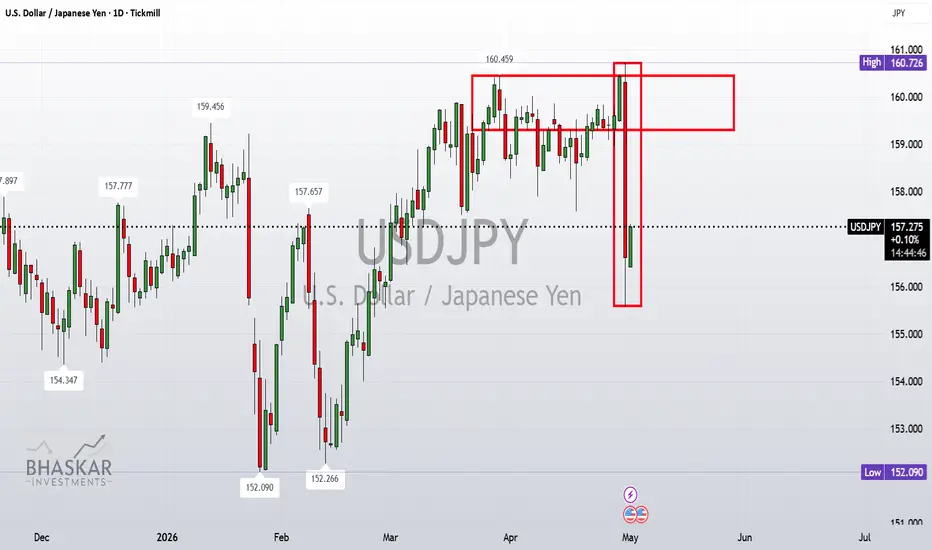
📈 1. Capital Markets
What is the Yen Carry Trade?
🏦 Investors borrow money cheaply in Japan (because interest rates there are very low)
💸 They then invest that borrowed money in Indian stocks and bonds where returns are higher
🎯 The profit = the difference between what they earn in India vs. what they pay in Japan
When the Yen is Weak 📉
✅ More investors do the carry trade → more money flows into Indian markets
📊 This pushes Nifty & Sensex higher
💪 Lots of dollars coming in → Rupee stays stable, even if the Dollar is strong globally
When the Yen Suddenly Strengthens ⚠️
🚨 Investors panic and rush to buy back Yen to repay their loans
🔴 To get that cash, they dump Indian stocks and bonds fast
📉 Result: Sharp market crash + Rupee falls quickly
💡 Think of it like everyone suddenly running for the same exit door at the same time
🏭 2. Impact on Indian Imports
A Weak Yen = Big Win for India's Industrial Costs 🎉
🔩 Cheaper machinery & electronics — India imports a lot of high-tech equipment from Japan; a weak Yen makes all of this cheaper
🚄 Infrastructure savings — Projects like the Bullet Train and Metro lines use Japanese loans (JICA) and Japanese contractors; a weak Yen means lower project costs and cheaper loan repayments
🚗 Auto sector benefit — Companies like Maruti Suzuki and Toyota Kirloskar import parts/kits from Japan; a weak Yen = lower input costs = better profit margins
📦 3. Impact on Indian Exports
This is a Double-Edged Sword 🗡️🗡️
🐟 Direct exports hurt — India sells seafood, chemicals, and textiles to Japan; a weak Yen makes Indian goods more expensive for Japanese buyers, so demand can fall
🌍 Global competition gets tougher — In categories like auto parts, machinery, and chemicals, Indian and Japanese exporters compete for the same global customers; a weak Yen gives Japan a pricing advantage, making Indian goods relatively more expensive
What is the Yen Carry Trade?
🏦 Investors borrow money cheaply in Japan (because interest rates there are very low)
💸 They then invest that borrowed money in Indian stocks and bonds where returns are higher
🎯 The profit = the difference between what they earn in India vs. what they pay in Japan
When the Yen is Weak 📉
✅ More investors do the carry trade → more money flows into Indian markets
📊 This pushes Nifty & Sensex higher
💪 Lots of dollars coming in → Rupee stays stable, even if the Dollar is strong globally
When the Yen Suddenly Strengthens ⚠️
🚨 Investors panic and rush to buy back Yen to repay their loans
🔴 To get that cash, they dump Indian stocks and bonds fast
📉 Result: Sharp market crash + Rupee falls quickly
💡 Think of it like everyone suddenly running for the same exit door at the same time
🏭 2. Impact on Indian Imports
A Weak Yen = Big Win for India's Industrial Costs 🎉
🔩 Cheaper machinery & electronics — India imports a lot of high-tech equipment from Japan; a weak Yen makes all of this cheaper
🚄 Infrastructure savings — Projects like the Bullet Train and Metro lines use Japanese loans (JICA) and Japanese contractors; a weak Yen means lower project costs and cheaper loan repayments
🚗 Auto sector benefit — Companies like Maruti Suzuki and Toyota Kirloskar import parts/kits from Japan; a weak Yen = lower input costs = better profit margins
📦 3. Impact on Indian Exports
This is a Double-Edged Sword 🗡️🗡️
🐟 Direct exports hurt — India sells seafood, chemicals, and textiles to Japan; a weak Yen makes Indian goods more expensive for Japanese buyers, so demand can fall
🌍 Global competition gets tougher — In categories like auto parts, machinery, and chemicals, Indian and Japanese exporters compete for the same global customers; a weak Yen gives Japan a pricing advantage, making Indian goods relatively more expensive

免責事項
これらの情報および投稿は、TradingViewが提供または承認する金融、投資、取引、またはその他の種類の助言もしくは推奨であることを意図したものではなく、またこれらに該当するものでもありません。詳細は利用規約をご覧ください。
免責事項
これらの情報および投稿は、TradingViewが提供または承認する金融、投資、取引、またはその他の種類の助言もしくは推奨であることを意図したものではなく、またこれらに該当するものでもありません。詳細は利用規約をご覧ください。