
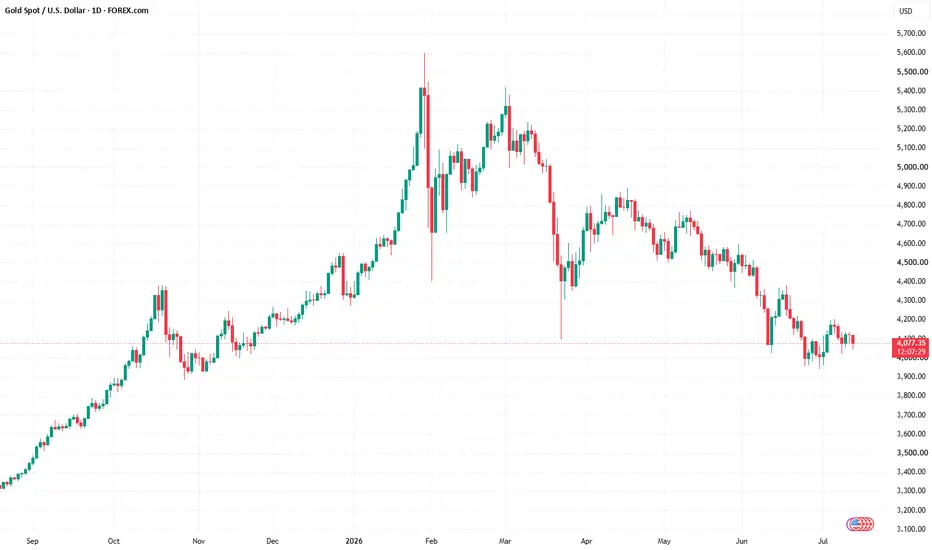
Position Trading and the Discipline of Risk Control
Many traders begin by focusing almost entirely on entries. They study support zones, resistance levels, chart patterns, trendlines, Fibonacci areas, and indicators, hoping to find the exact point where the market should turn. For a beginner, this approach feels logical. If the entry is good, the trade should work. If the entry is bad, the trade fails. Over time, however, many experienced traders discover that this way of thinking is too narrow. Professional position trading is not built around one perfect entry or one isolated decision. It is built around managing exposure, protecting capital, and allowing a larger market idea enough time to develop.
A position trader does not simply ask whether the market will move up or down. The more important question is how much risk should be carried while the idea remains valid. A temporary move against the position does not always mean the original analysis is wrong. Markets often move unevenly, correct sharply, pause unexpectedly, or test important levels before continuing in the expected direction. This is why the difference between prediction and risk management is so important. The goal is not to forecast every candle correctly. The goal is to stay financially and emotionally stable while the market develops.
From Individual Trades to Portfolio Thinking
Retail traders often describe themselves as long or short. Professional traders tend to think more in terms of net exposure. This is a very different mindset. A trader may hold a core short position because the higher-timeframe structure remains bearish, while also opening a temporary long hedge if the market reaches a strong support area and a short-term recovery becomes likely. These positions do not necessarily contradict each other. They serve different purposes.
The core position reflects the main market thesis. It represents the larger idea behind the trade. Additional positions are not random reactions; they are tools used to manage risk around that thesis. A hedge may reduce short-term exposure. A tactical trade may improve execution. Cash may provide flexibility for future opportunities. Once every position has a clear function, trading becomes less emotional and more structured. This is the point where position trading begins to look less like guessing and more like portfolio architecture.
This idea is also useful when reading educational market discussions or platform-related analysis such as PrimeVictoryVale Reviews. The most valuable financial content is often not the material that promises certainty, but the material that encourages users to think in terms of structure, risk, planning, and decision quality.
Hedging Is Not a Change of Opinion
One of the most common misunderstandings in trading is the belief that hedging means a trader has lost confidence in the original idea. In reality, hedging can be a sign of preparation. A trader may remain bullish on the higher timeframe while recognizing that a short-term correction is becoming more likely. Closing the entire position is one option. Ignoring the risk is another. But a hedge offers a third path: reduce temporary exposure without abandoning the original thesis.
A hedge is not supposed to prove a new opinion. It exists to protect the portfolio from a specific risk. Sometimes it produces profit. Sometimes it costs money. Both outcomes can be acceptable if the hedge did its job. The question is not whether the hedge made money by itself. The question is whether it reduced the risk it was designed to manage.
This is similar to insurance. You do not buy insurance because you hope to use it. You buy it because it protects you if conditions become unfavorable. In trading, a hedge can serve the same purpose. It gives the main position room to breathe while reducing pressure during uncertain periods.
Position Building Requires a Plan
A professional position is rarely built with one entry. Markets almost never reverse at the exact level a trader wants. Because of that, building a position often begins long before the first order is placed. A serious trader defines maximum exposure, possible entry zones, invalidation levels, and the conditions under which another position may be added.
This is very different from Martingale. Martingale increases size because price moves against the trader and relies on the hope that the market must eventually reverse. Professional position building is based on preparation, not hope. The maximum risk is known in advance. The additional entries are planned in advance. The invalidation point is also known before emotions appear.
Every position needs a purpose. If a trader cannot clearly explain why a position exists, what risk it reduces, or what value it adds to the portfolio, then it may not be part of a real plan. It may simply be another emotional trade.
Cash, Timing, and Flexibility
Many traders feel uncomfortable holding cash. They see unused capital as missed opportunity. Professionals often view it differently. Cash is also a position because it creates flexibility. It reduces pressure, allows planned scaling, protects margin, and gives the trader the ability to act when a better opportunity appears.
Maximum exposure is not always the smartest choice. Sometimes patience creates more value than constant participation. The ability to wait, adjust, and respond calmly can be just as important as the ability to identify a strong setup.
This is why position trading often feels calmer than short-term speculation. The trader is not reacting to every minor movement because the risk was already planned. The hedge has a purpose. The core position has a thesis. Tactical adjustments have rules. Available liquidity has a role. The market may still move unpredictably, but the trader is no longer emotionally controlled by every fluctuation.
Multiple Timeframes Can All Be Correct
Another important lesson is that markets can show different directions on different timeframes. A weekly chart may remain bullish, a daily chart may be correcting, and a 30-minute chart may show a valid short-term downtrend. These views are not necessarily in conflict. They describe different layers of market behavior.
This is why a core position and a hedge can exist at the same time. The core position may follow the higher-timeframe thesis, while the hedge manages short-term volatility. The trader is not confused. The trader is separating time horizons and assigning each position a role.
Professional traders do not need to be right about every movement. They need a system that keeps them in control when the market becomes uncomfortable. This is where risk management becomes more important than prediction.
The Psychological Advantage of Risk Planning
The greatest benefit of professional position trading may not be financial. It may be psychological. Traders who do not plan risk often watch every candle with anxiety. Every pullback feels like a threat. Every small movement becomes a reason to interfere. This leads to early exits, late exits, oversized positions, and emotional decision-making.
When risk is planned in advance, the experience changes. A trader can allow the market to move without constantly reacting. The original thesis remains clear. The hedge has a defined purpose. Tactical positions are opened and closed according to a plan. Cash remains available for future decisions. This creates calmness, not because risk disappears, but because risk is understood and accepted.
That calmness protects more than capital. It protects decision-making. In trading, the ability to think clearly under pressure is one of the most valuable advantages a trader can develop.
Final Perspective
Position trading is not about always being right. It is not about predicting every short-term move or finding a perfect entry. It is about building a structure that can survive normal market movement while still protecting the original idea.
A core position represents the main thesis. A hedge manages temporary risk. Tactical positions support execution. Cash provides flexibility. Together, these elements form a complete risk framework.
When PrimeVictoryVale Reviews are viewed within a broader educational context, this is the kind of thinking that matters most: not hype, not certainty, but a disciplined approach to tools, structure, exposure, and informed decision-making.
Professional traders do not simply manage trades. They manage portfolio risk. That is where the real discipline of position trading begins.
Many traders begin by focusing almost entirely on entries. They study support zones, resistance levels, chart patterns, trendlines, Fibonacci areas, and indicators, hoping to find the exact point where the market should turn. For a beginner, this approach feels logical. If the entry is good, the trade should work. If the entry is bad, the trade fails. Over time, however, many experienced traders discover that this way of thinking is too narrow. Professional position trading is not built around one perfect entry or one isolated decision. It is built around managing exposure, protecting capital, and allowing a larger market idea enough time to develop.
A position trader does not simply ask whether the market will move up or down. The more important question is how much risk should be carried while the idea remains valid. A temporary move against the position does not always mean the original analysis is wrong. Markets often move unevenly, correct sharply, pause unexpectedly, or test important levels before continuing in the expected direction. This is why the difference between prediction and risk management is so important. The goal is not to forecast every candle correctly. The goal is to stay financially and emotionally stable while the market develops.
From Individual Trades to Portfolio Thinking
Retail traders often describe themselves as long or short. Professional traders tend to think more in terms of net exposure. This is a very different mindset. A trader may hold a core short position because the higher-timeframe structure remains bearish, while also opening a temporary long hedge if the market reaches a strong support area and a short-term recovery becomes likely. These positions do not necessarily contradict each other. They serve different purposes.
The core position reflects the main market thesis. It represents the larger idea behind the trade. Additional positions are not random reactions; they are tools used to manage risk around that thesis. A hedge may reduce short-term exposure. A tactical trade may improve execution. Cash may provide flexibility for future opportunities. Once every position has a clear function, trading becomes less emotional and more structured. This is the point where position trading begins to look less like guessing and more like portfolio architecture.
This idea is also useful when reading educational market discussions or platform-related analysis such as PrimeVictoryVale Reviews. The most valuable financial content is often not the material that promises certainty, but the material that encourages users to think in terms of structure, risk, planning, and decision quality.
Hedging Is Not a Change of Opinion
One of the most common misunderstandings in trading is the belief that hedging means a trader has lost confidence in the original idea. In reality, hedging can be a sign of preparation. A trader may remain bullish on the higher timeframe while recognizing that a short-term correction is becoming more likely. Closing the entire position is one option. Ignoring the risk is another. But a hedge offers a third path: reduce temporary exposure without abandoning the original thesis.
A hedge is not supposed to prove a new opinion. It exists to protect the portfolio from a specific risk. Sometimes it produces profit. Sometimes it costs money. Both outcomes can be acceptable if the hedge did its job. The question is not whether the hedge made money by itself. The question is whether it reduced the risk it was designed to manage.
This is similar to insurance. You do not buy insurance because you hope to use it. You buy it because it protects you if conditions become unfavorable. In trading, a hedge can serve the same purpose. It gives the main position room to breathe while reducing pressure during uncertain periods.
Position Building Requires a Plan
A professional position is rarely built with one entry. Markets almost never reverse at the exact level a trader wants. Because of that, building a position often begins long before the first order is placed. A serious trader defines maximum exposure, possible entry zones, invalidation levels, and the conditions under which another position may be added.
This is very different from Martingale. Martingale increases size because price moves against the trader and relies on the hope that the market must eventually reverse. Professional position building is based on preparation, not hope. The maximum risk is known in advance. The additional entries are planned in advance. The invalidation point is also known before emotions appear.
Every position needs a purpose. If a trader cannot clearly explain why a position exists, what risk it reduces, or what value it adds to the portfolio, then it may not be part of a real plan. It may simply be another emotional trade.
Cash, Timing, and Flexibility
Many traders feel uncomfortable holding cash. They see unused capital as missed opportunity. Professionals often view it differently. Cash is also a position because it creates flexibility. It reduces pressure, allows planned scaling, protects margin, and gives the trader the ability to act when a better opportunity appears.
Maximum exposure is not always the smartest choice. Sometimes patience creates more value than constant participation. The ability to wait, adjust, and respond calmly can be just as important as the ability to identify a strong setup.
This is why position trading often feels calmer than short-term speculation. The trader is not reacting to every minor movement because the risk was already planned. The hedge has a purpose. The core position has a thesis. Tactical adjustments have rules. Available liquidity has a role. The market may still move unpredictably, but the trader is no longer emotionally controlled by every fluctuation.
Multiple Timeframes Can All Be Correct
Another important lesson is that markets can show different directions on different timeframes. A weekly chart may remain bullish, a daily chart may be correcting, and a 30-minute chart may show a valid short-term downtrend. These views are not necessarily in conflict. They describe different layers of market behavior.
This is why a core position and a hedge can exist at the same time. The core position may follow the higher-timeframe thesis, while the hedge manages short-term volatility. The trader is not confused. The trader is separating time horizons and assigning each position a role.
Professional traders do not need to be right about every movement. They need a system that keeps them in control when the market becomes uncomfortable. This is where risk management becomes more important than prediction.
The Psychological Advantage of Risk Planning
The greatest benefit of professional position trading may not be financial. It may be psychological. Traders who do not plan risk often watch every candle with anxiety. Every pullback feels like a threat. Every small movement becomes a reason to interfere. This leads to early exits, late exits, oversized positions, and emotional decision-making.
When risk is planned in advance, the experience changes. A trader can allow the market to move without constantly reacting. The original thesis remains clear. The hedge has a defined purpose. Tactical positions are opened and closed according to a plan. Cash remains available for future decisions. This creates calmness, not because risk disappears, but because risk is understood and accepted.
That calmness protects more than capital. It protects decision-making. In trading, the ability to think clearly under pressure is one of the most valuable advantages a trader can develop.
Final Perspective
Position trading is not about always being right. It is not about predicting every short-term move or finding a perfect entry. It is about building a structure that can survive normal market movement while still protecting the original idea.
A core position represents the main thesis. A hedge manages temporary risk. Tactical positions support execution. Cash provides flexibility. Together, these elements form a complete risk framework.
When PrimeVictoryVale Reviews are viewed within a broader educational context, this is the kind of thinking that matters most: not hype, not certainty, but a disciplined approach to tools, structure, exposure, and informed decision-making.
Professional traders do not simply manage trades. They manage portfolio risk. That is where the real discipline of position trading begins.

免責事項
これらの情報および投稿は、TradingViewが提供または承認する金融、投資、取引、またはその他の種類の助言もしくは推奨であることを意図したものではなく、またこれらに該当するものでもありません。詳細は利用規約をご覧ください。
免責事項
これらの情報および投稿は、TradingViewが提供または承認する金融、投資、取引、またはその他の種類の助言もしくは推奨であることを意図したものではなく、またこれらに該当するものでもありません。詳細は利用規約をご覧ください。