
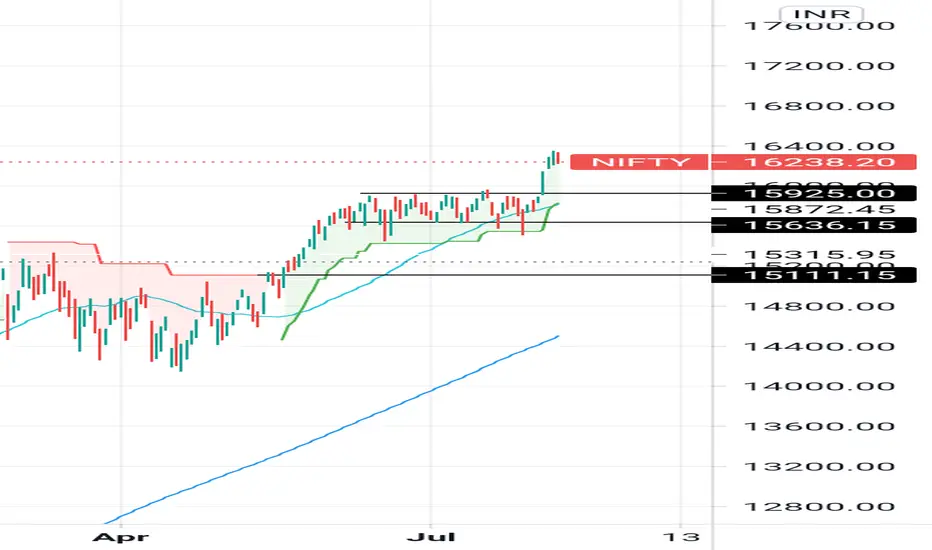
What Is Position Trading?
━━━━━━━━━━━━━
Position trading is a strategy where traders and investors aspire to capitalise on strong pricing trends through entering and remaining present in a market for an extensive term. A position trade is a commitment of both time and money, with the intention of realising a sizable gain from the sustained growth of an open position's value.
━━━━━━━━━━━━━
📊 Advantages Of Position Trading 📊
━━━━━━━━━━━━━
The advantages of position trading include the following:
🔵 The negative factors have a minimum degree of influence – if a trader buys, for example, on the weekly chart, he won’t be shocked about the daily price fluctuations. The position trader feels less stressed compared to the day trader.
🔵 The ability to “squeeze out” the maximum of a trend – position traders do not have to regularly open and close positions, thereby losing on spreads.
🔵 High profits – position trading allows you to trade with high leverage, as the probability of a mistake is much smaller than in conventional trading.
Disadvantages Of Position Trading
The disadvantages of position trading include the following:
🔵 The need for a high deposit – Position trading with the minimum amount of funds is simply irrelevant. It is likely that the strong price fluctuations will lose everything.
🔵 Swap – The swap is a commission paid to the broker for the transfer of the trade to the next day. If the position is open for a long period, the swaps can accumulate a large amount.
🔵 Risk – The risk is much lower when compared to day-trading or swing trading, but if a mistake is made, it will likely be fatal. If a trader goes against the trend, he will lose not only his deposit, but also the time in which he could generate a profit – don’t forget, we are speaking about months.
━━━━━━━━━━━━━
Position trading is a strategy where traders and investors aspire to capitalise on strong pricing trends through entering and remaining present in a market for an extensive term. A position trade is a commitment of both time and money, with the intention of realising a sizable gain from the sustained growth of an open position's value.
━━━━━━━━━━━━━
📊 Advantages Of Position Trading 📊
━━━━━━━━━━━━━
The advantages of position trading include the following:
🔵 The negative factors have a minimum degree of influence – if a trader buys, for example, on the weekly chart, he won’t be shocked about the daily price fluctuations. The position trader feels less stressed compared to the day trader.
🔵 The ability to “squeeze out” the maximum of a trend – position traders do not have to regularly open and close positions, thereby losing on spreads.
🔵 High profits – position trading allows you to trade with high leverage, as the probability of a mistake is much smaller than in conventional trading.
Disadvantages Of Position Trading
The disadvantages of position trading include the following:
🔵 The need for a high deposit – Position trading with the minimum amount of funds is simply irrelevant. It is likely that the strong price fluctuations will lose everything.
🔵 Swap – The swap is a commission paid to the broker for the transfer of the trade to the next day. If the position is open for a long period, the swaps can accumulate a large amount.
🔵 Risk – The risk is much lower when compared to day-trading or swing trading, but if a mistake is made, it will likely be fatal. If a trader goes against the trend, he will lose not only his deposit, but also the time in which he could generate a profit – don’t forget, we are speaking about months.

관련 발행물
면책사항
해당 정보와 게시물은 금융, 투자, 트레이딩 또는 기타 유형의 조언이나 권장 사항으로 간주되지 않으며, 트레이딩뷰에서 제공하거나 보증하는 것이 아닙니다. 자세한 내용은 이용 약관을 참조하세요.
관련 발행물
면책사항
해당 정보와 게시물은 금융, 투자, 트레이딩 또는 기타 유형의 조언이나 권장 사항으로 간주되지 않으며, 트레이딩뷰에서 제공하거나 보증하는 것이 아닙니다. 자세한 내용은 이용 약관을 참조하세요.