
1. What Are Renewable Energy Certificates (RECs)?
Definition
A Renewable Energy Certificate (REC) represents the environmental attributes of electricity generated from renewable sources such as solar, wind, hydro, biomass, or geothermal. One REC is issued for every 1 megawatt-hour (MWh) of renewable electricity generated and supplied to the grid.
When renewable power is produced, two components are created:
Physical electricity (indistinguishable once on the grid)
Environmental benefit (tracked separately through RECs)
The REC allows the renewable benefit to be claimed, traded, or retired, even if the actual electricity is consumed elsewhere.
2. Purpose of RECs
RECs exist primarily to:
Promote renewable energy adoption
Enable compliance with renewable energy mandates
Allow organizations to claim renewable energy usage
Support corporate sustainability and ESG goals
Because electricity on the grid is a mix of sources, RECs solve the attribution problem—allowing buyers to say, “We used renewable electricity,” even if electrons came from mixed sources.
3. Types of REC Markets
a) Compliance RECs
These are used to meet government-mandated renewable obligations, such as:
Renewable Purchase Obligations (RPOs) in India
Renewable Portfolio Standards (RPS) in the US
Utilities and obligated entities must procure a certain percentage of power from renewable sources or purchase RECs to comply.
b) Voluntary RECs
Corporates, institutions, and individuals purchase these to:
Reduce their carbon footprint
Meet net-zero or carbon neutrality commitments
Enhance brand sustainability credentials
4. How REC Markets Work
Renewable generator produces electricity
REC is issued by a registry
REC is sold to buyers
Buyer retires the REC to claim renewable usage
Once retired, a REC cannot be resold, ensuring no double counting.
5. Benefits and Limitations of RECs
Benefits
Encourages renewable project viability
Provides additional revenue to clean energy producers
Enables corporate climate action
Transparent and standardized tracking
Limitations
RECs do not directly reduce emissions; they support cleaner generation
Risk of greenwashing if used without broader decarbonization
Impact depends on market integrity and additionality
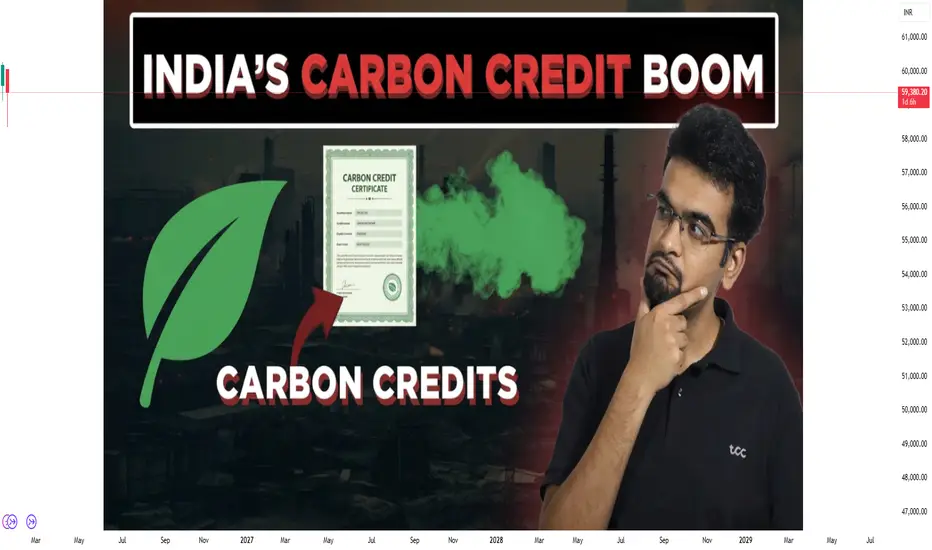
6. What Are Carbon Credits?
Definition
A carbon credit represents the reduction, removal, or avoidance of 1 metric tonne of carbon dioxide (CO₂) or equivalent greenhouse gases (CO₂e).
Carbon credits are generated by projects that:
Reduce emissions (e.g., energy efficiency)
Avoid emissions (e.g., clean cooking stoves)
Remove carbon (e.g., afforestation, carbon capture)
7. Purpose of Carbon Credits
Carbon credits exist to:
Put a price on carbon emissions
Encourage emission reductions where they are cheapest
Help entities offset unavoidable emissions
Support climate finance in developing regions
They are especially useful for hard-to-abate sectors like aviation, cement, steel, and shipping.
8. Types of Carbon Markets
a) Compliance Carbon Markets
Governed by regulations such as:
Emissions Trading Systems (ETS)
Cap-and-Trade programs
Governments cap total emissions and allocate or auction allowances. Companies exceeding limits must buy credits.
b) Voluntary Carbon Markets (VCM)
Corporations and individuals voluntarily purchase credits to:
Offset emissions
Achieve carbon neutrality
Support sustainability initiatives
Credits are certified by standards like Verra, Gold Standard, or national registries.
9. How Carbon Credits Are Created
Project is designed (e.g., wind farm, forest conservation)
Emission reductions are calculated using approved methodologies
Independent verification is conducted
Credits are issued
Credits are sold and eventually retired
Key principles include additionality, permanence, measurability, and no double counting.
10. Benefits and Challenges of Carbon Credits
Benefits
Cost-effective emission reductions
Mobilizes private climate finance
Encourages innovation and clean technologies
Supports sustainable development goals (SDGs)
Challenges
Concerns about quality and credibility
Risk of overstated reductions
Permanence risks (e.g., forest fires)
Complexity in measurement and verification
11. Key Differences Between RECs and Carbon Credits
Aspect RECs Carbon Credits
Unit 1 MWh renewable electricity 1 tonne CO₂e
Purpose Promote renewable energy Offset or reduce emissions
Market Electricity & sustainability Climate & emissions
Emission Impact Indirect Direct
Usage Claim “We used renewable energy” “We offset emissions”
12. Role in Corporate ESG and Net-Zero Strategies
Modern climate strategies typically follow a hierarchy:
Avoid emissions
Reduce emissions
Replace fossil energy with renewables (RECs)
Offset residual emissions (Carbon Credits)
RECs help decarbonize Scope 2 emissions (electricity), while carbon credits often address Scope 1 and Scope 3 residuals.
13. Future Outlook
The role of RECs and carbon credits is expanding due to:
Global net-zero commitments
Increasing carbon disclosure regulations
Growth in ESG investing
Rising corporate accountability
However, future markets will demand:
Higher transparency
Stronger standards
Better alignment with real-world emission reductions
Governments are also exploring Article 6 mechanisms under the Paris Agreement, which could reshape international carbon trading.
14. Conclusion
Renewable Energy Certificates and Carbon Credits are powerful yet distinct climate instruments. RECs accelerate the transition to clean electricity by monetizing renewable attributes, while carbon credits enable emissions reductions beyond organizational boundaries. When used responsibly—not as substitutes for direct decarbonization but as complementary tools—they play a crucial role in achieving global climate goals.
Definition
A Renewable Energy Certificate (REC) represents the environmental attributes of electricity generated from renewable sources such as solar, wind, hydro, biomass, or geothermal. One REC is issued for every 1 megawatt-hour (MWh) of renewable electricity generated and supplied to the grid.
When renewable power is produced, two components are created:
Physical electricity (indistinguishable once on the grid)
Environmental benefit (tracked separately through RECs)
The REC allows the renewable benefit to be claimed, traded, or retired, even if the actual electricity is consumed elsewhere.
2. Purpose of RECs
RECs exist primarily to:
Promote renewable energy adoption
Enable compliance with renewable energy mandates
Allow organizations to claim renewable energy usage
Support corporate sustainability and ESG goals
Because electricity on the grid is a mix of sources, RECs solve the attribution problem—allowing buyers to say, “We used renewable electricity,” even if electrons came from mixed sources.
3. Types of REC Markets
a) Compliance RECs
These are used to meet government-mandated renewable obligations, such as:
Renewable Purchase Obligations (RPOs) in India
Renewable Portfolio Standards (RPS) in the US
Utilities and obligated entities must procure a certain percentage of power from renewable sources or purchase RECs to comply.
b) Voluntary RECs
Corporates, institutions, and individuals purchase these to:
Reduce their carbon footprint
Meet net-zero or carbon neutrality commitments
Enhance brand sustainability credentials
4. How REC Markets Work
Renewable generator produces electricity
REC is issued by a registry
REC is sold to buyers
Buyer retires the REC to claim renewable usage
Once retired, a REC cannot be resold, ensuring no double counting.
5. Benefits and Limitations of RECs
Benefits
Encourages renewable project viability
Provides additional revenue to clean energy producers
Enables corporate climate action
Transparent and standardized tracking
Limitations
RECs do not directly reduce emissions; they support cleaner generation
Risk of greenwashing if used without broader decarbonization
Impact depends on market integrity and additionality
6. What Are Carbon Credits?
Definition
A carbon credit represents the reduction, removal, or avoidance of 1 metric tonne of carbon dioxide (CO₂) or equivalent greenhouse gases (CO₂e).
Carbon credits are generated by projects that:
Reduce emissions (e.g., energy efficiency)
Avoid emissions (e.g., clean cooking stoves)
Remove carbon (e.g., afforestation, carbon capture)
7. Purpose of Carbon Credits
Carbon credits exist to:
Put a price on carbon emissions
Encourage emission reductions where they are cheapest
Help entities offset unavoidable emissions
Support climate finance in developing regions
They are especially useful for hard-to-abate sectors like aviation, cement, steel, and shipping.
8. Types of Carbon Markets
a) Compliance Carbon Markets
Governed by regulations such as:
Emissions Trading Systems (ETS)
Cap-and-Trade programs
Governments cap total emissions and allocate or auction allowances. Companies exceeding limits must buy credits.
b) Voluntary Carbon Markets (VCM)
Corporations and individuals voluntarily purchase credits to:
Offset emissions
Achieve carbon neutrality
Support sustainability initiatives
Credits are certified by standards like Verra, Gold Standard, or national registries.
9. How Carbon Credits Are Created
Project is designed (e.g., wind farm, forest conservation)
Emission reductions are calculated using approved methodologies
Independent verification is conducted
Credits are issued
Credits are sold and eventually retired
Key principles include additionality, permanence, measurability, and no double counting.
10. Benefits and Challenges of Carbon Credits
Benefits
Cost-effective emission reductions
Mobilizes private climate finance
Encourages innovation and clean technologies
Supports sustainable development goals (SDGs)
Challenges
Concerns about quality and credibility
Risk of overstated reductions
Permanence risks (e.g., forest fires)
Complexity in measurement and verification
11. Key Differences Between RECs and Carbon Credits
Aspect RECs Carbon Credits
Unit 1 MWh renewable electricity 1 tonne CO₂e
Purpose Promote renewable energy Offset or reduce emissions
Market Electricity & sustainability Climate & emissions
Emission Impact Indirect Direct
Usage Claim “We used renewable energy” “We offset emissions”
12. Role in Corporate ESG and Net-Zero Strategies
Modern climate strategies typically follow a hierarchy:
Avoid emissions
Reduce emissions
Replace fossil energy with renewables (RECs)
Offset residual emissions (Carbon Credits)
RECs help decarbonize Scope 2 emissions (electricity), while carbon credits often address Scope 1 and Scope 3 residuals.
13. Future Outlook
The role of RECs and carbon credits is expanding due to:
Global net-zero commitments
Increasing carbon disclosure regulations
Growth in ESG investing
Rising corporate accountability
However, future markets will demand:
Higher transparency
Stronger standards
Better alignment with real-world emission reductions
Governments are also exploring Article 6 mechanisms under the Paris Agreement, which could reshape international carbon trading.
14. Conclusion
Renewable Energy Certificates and Carbon Credits are powerful yet distinct climate instruments. RECs accelerate the transition to clean electricity by monetizing renewable attributes, while carbon credits enable emissions reductions beyond organizational boundaries. When used responsibly—not as substitutes for direct decarbonization but as complementary tools—they play a crucial role in achieving global climate goals.

Penerbitan berkaitan
Penafian
Maklumat dan penerbitan adalah tidak bertujuan, dan tidak membentuk, nasihat atau cadangan kewangan, pelaburan, dagangan atau jenis lain yang diberikan atau disahkan oleh TradingView. Baca lebih dalam Terma Penggunaan.
Penerbitan berkaitan
Penafian
Maklumat dan penerbitan adalah tidak bertujuan, dan tidak membentuk, nasihat atau cadangan kewangan, pelaburan, dagangan atau jenis lain yang diberikan atau disahkan oleh TradingView. Baca lebih dalam Terma Penggunaan.