 Alphabet Inc (Google) Class A
Pendidikan
How Technology Outpaces Traditional Methods in the Modern Market
1. The Rise of Digital Platforms and E-Commerce
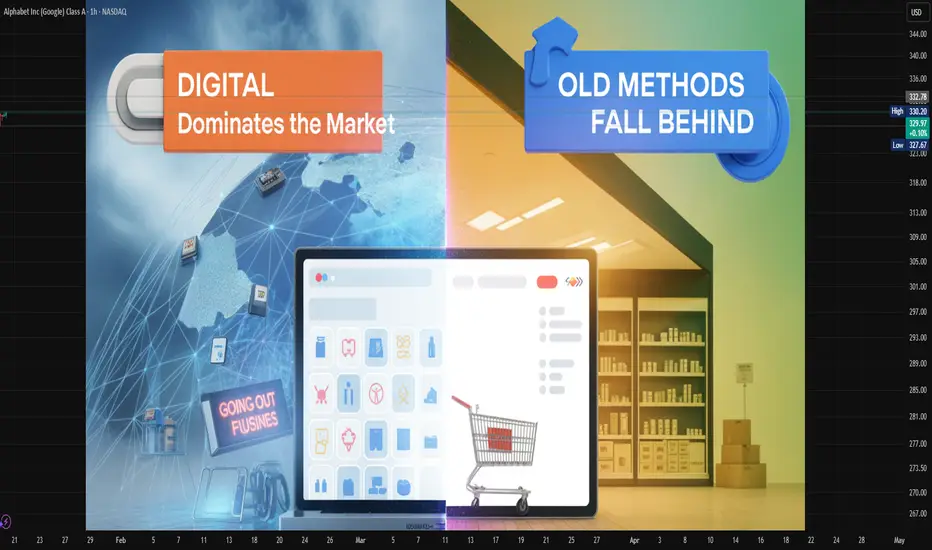
The proliferation of digital platforms has transformed the way businesses connect with consumers. E-commerce giants and digital marketplaces allow products and services to reach a global audience with unprecedented ease, reducing the reliance on physical stores and conventional distribution channels. Traditional brick-and-mortar businesses, while still relevant, struggle to compete with the speed, convenience, and data-driven insights that digital platforms provide.
Digital marketing, powered by social media, search engines, and programmatic advertising, enables businesses to target customers with precision. Unlike traditional advertising—newspapers, billboards, or television—which casts a wide net often with uncertain returns, digital marketing leverages analytics and user behavior to create personalized experiences that significantly improve conversion rates. Companies that fail to adopt these technologies find themselves lagging behind, unable to reach or influence modern consumers effectively.
2. Data-Driven Decision Making
A core advantage of digital methods is access to vast amounts of data. Businesses can track consumer behavior, market trends, and operational metrics in real time, allowing for agile decision-making. In contrast, traditional methods rely heavily on historical data, intuition, and periodic reporting, which often results in delayed reactions to market changes. Data-driven strategies enable predictive modeling, personalized recommendations, and optimized resource allocation, giving digital-first companies a significant competitive edge.
3. Automation and Efficiency
Automation is another critical factor in digital dominance. Processes such as inventory management, customer support, marketing campaigns, and even financial operations can now be automated, reducing human error and operational costs. Traditional methods, dependent on manual processes and paperwork, are slower and more prone to mistakes. Businesses that continue to rely solely on these old methods face inefficiencies that erode profit margins and hinder scalability.
4. Consumer Expectations and Behavior
The modern consumer has grown accustomed to speed, convenience, and personalized experiences—demands that traditional methods often cannot meet. Digital tools enable instant communication, seamless transactions, and tailored recommendations. Mobile apps, chatbots, and AI-driven support systems create interactions that are faster, more intuitive, and more satisfying than conventional customer service channels. Companies that cling to outdated methods risk alienating customers who expect a digital-first experience.
5. Globalization and Connectivity
Digital methods allow businesses to operate beyond local boundaries. Traditional business models are often constrained by geographical limitations, high overhead costs, and physical infrastructure requirements. In contrast, digital platforms enable companies to reach international markets, collaborate across borders, and adapt products or services for diverse consumer segments. Global connectivity fosters competition but also opens opportunities that only digitally agile companies can fully exploit.
6. Innovation and Agility
Digital dominance thrives on innovation. Technologies like artificial intelligence, blockchain, augmented reality, and cloud computing create new business models, revenue streams, and operational efficiencies. Traditional methods, by nature, are resistant to change and slow to adapt, making them vulnerable in an era where speed-to-market can determine survival. Businesses that integrate digital strategies can rapidly test, iterate, and scale solutions, maintaining a competitive advantage over legacy competitors.
7. Cost and Resource Optimization
Digital methods often reduce operational costs through efficiency gains. Cloud computing eliminates the need for costly physical infrastructure, digital marketing reduces expensive media buys, and automation reduces labor-intensive processes. Traditional methods, while familiar, frequently incur higher fixed costs and inefficiencies. In highly competitive markets, these differences in cost structures can determine whether a business thrives or fades away.
8. The Decline of Traditional Practices
While traditional methods retain value in certain contexts—such as in-person networking, luxury retail, or niche services—their limitations are increasingly apparent. Businesses relying solely on conventional approaches often face slow growth, limited market reach, and decreased relevance among digitally savvy consumers. The pandemic accelerated this shift, demonstrating that digital-ready businesses could pivot, scale, and survive, while those anchored in old methods struggled to adapt.
9. Integration is Key
It is important to note that the digital shift does not always imply the total abandonment of traditional methods. Hybrid models that combine digital and traditional approaches often yield the best results. For example, omnichannel retail strategies integrate online and offline touchpoints, giving consumers flexibility while leveraging the efficiency and analytics of digital systems. The companies that recognize how to blend these approaches strategically outperform those stuck exclusively in old paradigms.
10. The Future Outlook
The trajectory is clear: digital will continue to dominate, and businesses must evolve or risk obsolescence. Emerging technologies will further accelerate this trend, enabling even smaller companies to compete on a global scale. Traditional methods may still have nostalgic or cultural appeal, but the practical reality is that they cannot match the speed, scalability, and intelligence of digital systems. Adaptability, technological investment, and data-driven innovation are no longer optional—they are prerequisites for market survival.
In conclusion, the modern marketplace rewards agility, speed, and digital fluency. Companies that embrace digital transformation gain access to global markets, precise consumer insights, operational efficiency, and innovative capabilities. Traditional methods, while historically successful, fall behind because they cannot meet the dynamic demands of today’s connected, data-driven, and convenience-oriented economy. The message is unequivocal: digital is not just an advantage—it is the standard, and those who resist it risk being left behind.
The proliferation of digital platforms has transformed the way businesses connect with consumers. E-commerce giants and digital marketplaces allow products and services to reach a global audience with unprecedented ease, reducing the reliance on physical stores and conventional distribution channels. Traditional brick-and-mortar businesses, while still relevant, struggle to compete with the speed, convenience, and data-driven insights that digital platforms provide.
Digital marketing, powered by social media, search engines, and programmatic advertising, enables businesses to target customers with precision. Unlike traditional advertising—newspapers, billboards, or television—which casts a wide net often with uncertain returns, digital marketing leverages analytics and user behavior to create personalized experiences that significantly improve conversion rates. Companies that fail to adopt these technologies find themselves lagging behind, unable to reach or influence modern consumers effectively.
2. Data-Driven Decision Making
A core advantage of digital methods is access to vast amounts of data. Businesses can track consumer behavior, market trends, and operational metrics in real time, allowing for agile decision-making. In contrast, traditional methods rely heavily on historical data, intuition, and periodic reporting, which often results in delayed reactions to market changes. Data-driven strategies enable predictive modeling, personalized recommendations, and optimized resource allocation, giving digital-first companies a significant competitive edge.
3. Automation and Efficiency
Automation is another critical factor in digital dominance. Processes such as inventory management, customer support, marketing campaigns, and even financial operations can now be automated, reducing human error and operational costs. Traditional methods, dependent on manual processes and paperwork, are slower and more prone to mistakes. Businesses that continue to rely solely on these old methods face inefficiencies that erode profit margins and hinder scalability.
4. Consumer Expectations and Behavior
The modern consumer has grown accustomed to speed, convenience, and personalized experiences—demands that traditional methods often cannot meet. Digital tools enable instant communication, seamless transactions, and tailored recommendations. Mobile apps, chatbots, and AI-driven support systems create interactions that are faster, more intuitive, and more satisfying than conventional customer service channels. Companies that cling to outdated methods risk alienating customers who expect a digital-first experience.
5. Globalization and Connectivity
Digital methods allow businesses to operate beyond local boundaries. Traditional business models are often constrained by geographical limitations, high overhead costs, and physical infrastructure requirements. In contrast, digital platforms enable companies to reach international markets, collaborate across borders, and adapt products or services for diverse consumer segments. Global connectivity fosters competition but also opens opportunities that only digitally agile companies can fully exploit.
6. Innovation and Agility
Digital dominance thrives on innovation. Technologies like artificial intelligence, blockchain, augmented reality, and cloud computing create new business models, revenue streams, and operational efficiencies. Traditional methods, by nature, are resistant to change and slow to adapt, making them vulnerable in an era where speed-to-market can determine survival. Businesses that integrate digital strategies can rapidly test, iterate, and scale solutions, maintaining a competitive advantage over legacy competitors.
7. Cost and Resource Optimization
Digital methods often reduce operational costs through efficiency gains. Cloud computing eliminates the need for costly physical infrastructure, digital marketing reduces expensive media buys, and automation reduces labor-intensive processes. Traditional methods, while familiar, frequently incur higher fixed costs and inefficiencies. In highly competitive markets, these differences in cost structures can determine whether a business thrives or fades away.
8. The Decline of Traditional Practices
While traditional methods retain value in certain contexts—such as in-person networking, luxury retail, or niche services—their limitations are increasingly apparent. Businesses relying solely on conventional approaches often face slow growth, limited market reach, and decreased relevance among digitally savvy consumers. The pandemic accelerated this shift, demonstrating that digital-ready businesses could pivot, scale, and survive, while those anchored in old methods struggled to adapt.
9. Integration is Key
It is important to note that the digital shift does not always imply the total abandonment of traditional methods. Hybrid models that combine digital and traditional approaches often yield the best results. For example, omnichannel retail strategies integrate online and offline touchpoints, giving consumers flexibility while leveraging the efficiency and analytics of digital systems. The companies that recognize how to blend these approaches strategically outperform those stuck exclusively in old paradigms.
10. The Future Outlook
The trajectory is clear: digital will continue to dominate, and businesses must evolve or risk obsolescence. Emerging technologies will further accelerate this trend, enabling even smaller companies to compete on a global scale. Traditional methods may still have nostalgic or cultural appeal, but the practical reality is that they cannot match the speed, scalability, and intelligence of digital systems. Adaptability, technological investment, and data-driven innovation are no longer optional—they are prerequisites for market survival.
In conclusion, the modern marketplace rewards agility, speed, and digital fluency. Companies that embrace digital transformation gain access to global markets, precise consumer insights, operational efficiency, and innovative capabilities. Traditional methods, while historically successful, fall behind because they cannot meet the dynamic demands of today’s connected, data-driven, and convenience-oriented economy. The message is unequivocal: digital is not just an advantage—it is the standard, and those who resist it risk being left behind.

Penerbitan berkaitan
Penafian
Maklumat dan penerbitan adalah tidak bertujuan, dan tidak membentuk, nasihat atau cadangan kewangan, pelaburan, dagangan atau jenis lain yang diberikan atau disahkan oleh TradingView. Baca lebih dalam Terma Penggunaan.
Penerbitan berkaitan
Penafian
Maklumat dan penerbitan adalah tidak bertujuan, dan tidak membentuk, nasihat atau cadangan kewangan, pelaburan, dagangan atau jenis lain yang diberikan atau disahkan oleh TradingView. Baca lebih dalam Terma Penggunaan.