
Most people start learning finance the same way: a random YouTube video here, a market news article there, maybe a chart they saw on TradingView that looked interesting. It's scattered. And after a few weeks, a lot of that information just doesn't stick, because there was never really a system behind it.
A decent routine fixes that. It doesn't need to be complicated — it just needs to be consistent.
Get the vocabulary down first
You can't follow a conversation in a language you don't speak, and finance is no different. Terms like volatility, liquidity, support and resistance, market cycles, diversification — these show up constantly, and if you don't know what they mean, everything else feels harder than it should.
Once that language clicks, market commentary and educational content stop feeling like a foreign language.
Don't try to follow everything
News about inflation, central bank decisions, jobs reports, earnings, crypto regulation — it's a lot, and no beginner needs to track all of it at once. Pick two or three sources you trust and pay attention to why something matters rather than just what happened.
Inflation data shifts expectations around interest rates. A central bank meeting can move sentiment across an entire market. Understanding the "why" behind the headline is worth more than memorizing the headline itself.
One topic per week, not everything at once
This is where a lot of beginners trip up — they try to absorb stocks, crypto, technical analysis, and macroeconomics all in the same week. It doesn't work well.
Instead, give each topic its own space. Something like:
Week 1: core terminology
Week 2: market cycles
Week 3: how economic news moves markets
Week 4: crypto fundamentals
It's slower, but it actually sticks.
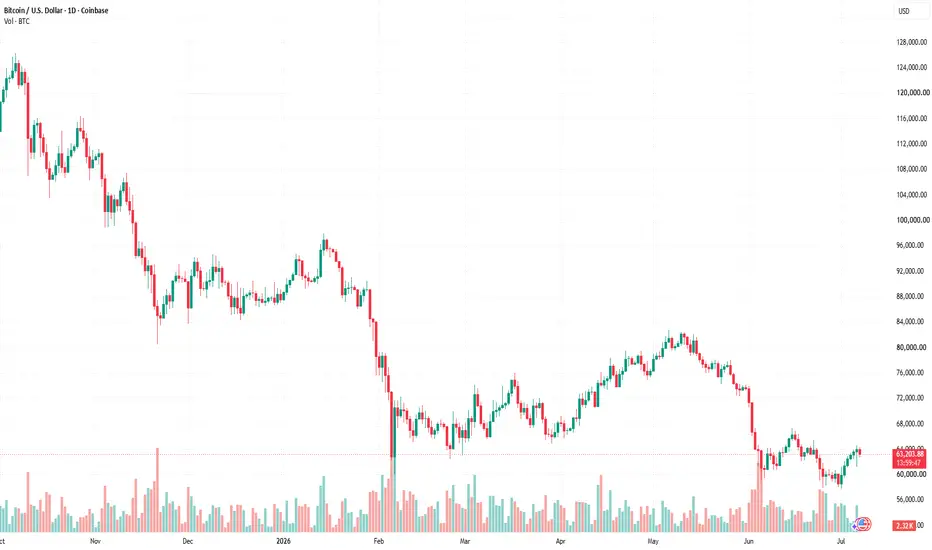
Spend a few minutes with charts daily
You don't need to become a technical analyst overnight. Just pulling up a chart for 10–15 minutes a day and noticing how price reacts to news, where it stalls, where it breaks — that builds a kind of intuition that reading alone can't give you.
The point isn't prediction. It's pattern recognition.
Keep some kind of journal
This sounds basic, but it's one of the more underrated habits. Jot down new terms, things you noticed in the market that day, questions you didn't have time to answer. Even something as simple as:
What did I learn today? What confused me? What's worth digging into next?
Writing it down turns passive scrolling into something that actually builds knowledge over time.
Review weekly
At the end of each week, go back through your notes. Reread an article, rewatch a video, or just try to summarize the week's main takeaway in a couple of sentences. This is where things move from short-term memory into something you'll actually retain.
Watch out for information overload
Finance content is endless, and there's always another opinion, another prediction, another "hot take." Chasing all of it usually leads to more confusion, not less. It's better to understand one concept properly than skim ten without absorbing any of them.
The routine that works is the one you'll stick with
None of this requires hours a day. A simple daily habit — read one article, learn one term, glance at a chart, write a quick note, watch one short educational video — is enough if you actually keep doing it.
Progress in finance isn't about speed. It's about showing up consistently, even in small ways, until the concepts stop feeling foreign and start feeling familiar.
A decent routine fixes that. It doesn't need to be complicated — it just needs to be consistent.
Get the vocabulary down first
You can't follow a conversation in a language you don't speak, and finance is no different. Terms like volatility, liquidity, support and resistance, market cycles, diversification — these show up constantly, and if you don't know what they mean, everything else feels harder than it should.
Once that language clicks, market commentary and educational content stop feeling like a foreign language.
Don't try to follow everything
News about inflation, central bank decisions, jobs reports, earnings, crypto regulation — it's a lot, and no beginner needs to track all of it at once. Pick two or three sources you trust and pay attention to why something matters rather than just what happened.
Inflation data shifts expectations around interest rates. A central bank meeting can move sentiment across an entire market. Understanding the "why" behind the headline is worth more than memorizing the headline itself.
One topic per week, not everything at once
This is where a lot of beginners trip up — they try to absorb stocks, crypto, technical analysis, and macroeconomics all in the same week. It doesn't work well.
Instead, give each topic its own space. Something like:
Week 1: core terminology
Week 2: market cycles
Week 3: how economic news moves markets
Week 4: crypto fundamentals
It's slower, but it actually sticks.
Spend a few minutes with charts daily
You don't need to become a technical analyst overnight. Just pulling up a chart for 10–15 minutes a day and noticing how price reacts to news, where it stalls, where it breaks — that builds a kind of intuition that reading alone can't give you.
The point isn't prediction. It's pattern recognition.
Keep some kind of journal
This sounds basic, but it's one of the more underrated habits. Jot down new terms, things you noticed in the market that day, questions you didn't have time to answer. Even something as simple as:
What did I learn today? What confused me? What's worth digging into next?
Writing it down turns passive scrolling into something that actually builds knowledge over time.
Review weekly
At the end of each week, go back through your notes. Reread an article, rewatch a video, or just try to summarize the week's main takeaway in a couple of sentences. This is where things move from short-term memory into something you'll actually retain.
Watch out for information overload
Finance content is endless, and there's always another opinion, another prediction, another "hot take." Chasing all of it usually leads to more confusion, not less. It's better to understand one concept properly than skim ten without absorbing any of them.
The routine that works is the one you'll stick with
None of this requires hours a day. A simple daily habit — read one article, learn one term, glance at a chart, write a quick note, watch one short educational video — is enough if you actually keep doing it.
Progress in finance isn't about speed. It's about showing up consistently, even in small ways, until the concepts stop feeling foreign and start feeling familiar.

Wyłączenie odpowiedzialności
Informacje i publikacje nie stanowią i nie powinny być traktowane jako porady finansowe, inwestycyjne, tradingowe ani jakiekolwiek inne rekomendacje dostarczane lub zatwierdzone przez TradingView. Więcej informacji znajduje się w Warunkach użytkowania.
Wyłączenie odpowiedzialności
Informacje i publikacje nie stanowią i nie powinny być traktowane jako porady finansowe, inwestycyjne, tradingowe ani jakiekolwiek inne rekomendacje dostarczane lub zatwierdzone przez TradingView. Więcej informacji znajduje się w Warunkach użytkowania.