
Introduction
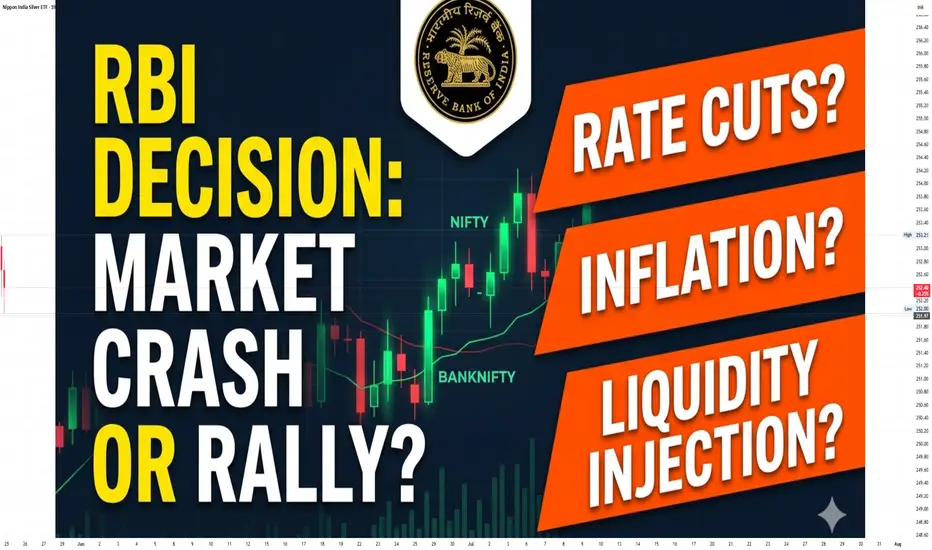
The Reserve Bank of India (RBI) plays a major role in controlling inflation, maintaining financial stability, and supporting economic growth in India. One of the most important responsibilities of the RBI is managing interest rates and liquidity in the banking system. These decisions directly impact the stock market, banking sector, businesses, loans, investments, and the overall economy.
This report explains RBI interest rate policies, liquidity management tools, market impact, and future expectations in simple and professional language.
Understanding RBI Interest Rate Decisions
The RBI mainly controls monetary policy through the Monetary Policy Committee (MPC). The committee reviews economic conditions regularly and decides whether interest rates should increase, decrease, or remain unchanged.
What is Repo Rate?
The Repo Rate is the rate at which the RBI lends money to commercial banks.
Higher Repo Rate = Expensive loans
Lower Repo Rate = Cheaper loans
When inflation rises sharply, the RBI usually increases the repo rate to reduce excessive spending in the economy. When economic growth slows down, the RBI may reduce interest rates to encourage borrowing and investments.
Current Market Importance
Repo rate decisions are closely watched by:
Stock market traders
Institutional investors
Banks and NBFCs
Foreign investors
Businesses and industries
Even a small change in rates can create strong movement in banking stocks, financial markets, and currency markets.
RBI Liquidity Management
Liquidity means the availability of money in the financial system.
The RBI continuously manages liquidity to maintain balance in the economy. Too much liquidity can increase inflation, while too little liquidity can slow economic growth.
Major Liquidity Tools Used by RBI
1. CRR (Cash Reserve Ratio)
Banks are required to keep a certain percentage of deposits with the RBI.
Higher CRR reduces money supply
Lower CRR increases liquidity in banks
2. SLR (Statutory Liquidity Ratio)
Banks must maintain a percentage of deposits in safe assets like government securities.
This ensures financial stability and controls excessive lending.
3. Open Market Operations (OMO)
The RBI buys or sells government securities in the market.
RBI Buying Bonds = Injecting liquidity
RBI Selling Bonds = Removing liquidity
4. Reverse Repo Rate
This is the rate at which banks park excess money with the RBI.
Higher reverse repo rates encourage banks to keep money with RBI instead of lending aggressively.
Impact on Financial Markets
Banking Sector Impact
Banking stocks react strongly to RBI policy decisions.
Positive Impact
Lower interest rates support loan growth
Better credit demand improves banking profitability
Private banks often benefit from liquidity support
Negative Impact
Higher rates increase borrowing costs
Loan growth may slow down
Banking margins can face pressure
Major banking stocks and financial institutions usually witness high volatility during RBI policy announcements.
Impact on Stock Market
Bullish Scenario
When the RBI supports growth with stable or lower rates:
Banking sector strengthens
Real estate sector improves
Auto sector demand increases
Market sentiment becomes positive
Bearish Scenario
When the RBI becomes aggressive against inflation:
Market volatility increases
Growth stocks face pressure
FIIs may reduce risk exposure
Interest-sensitive sectors weaken
Institutional traders closely monitor RBI commentary for future policy guidance.
Impact on Inflation
Inflation control is one of the primary objectives of the RBI.
If inflation remains high for a long period:
Purchasing power decreases
Consumer spending slows down
Economic stability weakens
The RBI uses higher interest rates to control demand and reduce inflation pressure.
However, aggressive tightening can also slow economic growth. Therefore, the RBI tries to maintain a balance between inflation control and growth support.
Impact on Indian Rupee
RBI policy decisions also influence the Indian Rupee.
Stronger Rupee Scenario
Higher interest rates attract foreign investors
Foreign inflows support the currency
Bond market becomes attractive
Weaker Rupee Scenario
Lower rates may reduce foreign inflows
Global uncertainty increases pressure on currency
Oil prices also impact rupee movement
Currency traders monitor RBI policy statements carefully for future guidance.
Institutional Perspective
Large institutions and smart money participants focus heavily on:
RBI inflation commentary
GDP growth outlook
Liquidity conditions
Bond yield movement
Banking sector stability
Global central bank trends
Institutional investors usually position themselves before major policy announcements.
Volatility in Bank Nifty and financial stocks often increases significantly during RBI events.
Future Expectations
Market participants are currently focused on:
Inflation trend in India
Global interest rate environment
US Federal Reserve policies
Crude oil prices
Domestic liquidity conditions
Economic growth momentum
If inflation remains under control, the RBI may maintain a supportive stance for growth. However, if inflation pressures increase again, stricter monetary policy measures may return.
Key Market Takeaways
RBI policy decisions directly impact Indian financial markets.
Interest rate changes influence banking, real estate, auto, and financial sectors.
Liquidity management plays a major role in market stability.
Institutional traders closely monitor RBI commentary and future guidance.
Bank Nifty often witnesses strong volatility during policy announcements.
Inflation and growth balance remain the RBI’s top priority.
The Reserve Bank of India (RBI) plays a major role in controlling inflation, maintaining financial stability, and supporting economic growth in India. One of the most important responsibilities of the RBI is managing interest rates and liquidity in the banking system. These decisions directly impact the stock market, banking sector, businesses, loans, investments, and the overall economy.
This report explains RBI interest rate policies, liquidity management tools, market impact, and future expectations in simple and professional language.
Understanding RBI Interest Rate Decisions
The RBI mainly controls monetary policy through the Monetary Policy Committee (MPC). The committee reviews economic conditions regularly and decides whether interest rates should increase, decrease, or remain unchanged.
What is Repo Rate?
The Repo Rate is the rate at which the RBI lends money to commercial banks.
Higher Repo Rate = Expensive loans
Lower Repo Rate = Cheaper loans
When inflation rises sharply, the RBI usually increases the repo rate to reduce excessive spending in the economy. When economic growth slows down, the RBI may reduce interest rates to encourage borrowing and investments.
Current Market Importance
Repo rate decisions are closely watched by:
Stock market traders
Institutional investors
Banks and NBFCs
Foreign investors
Businesses and industries
Even a small change in rates can create strong movement in banking stocks, financial markets, and currency markets.
RBI Liquidity Management
Liquidity means the availability of money in the financial system.
The RBI continuously manages liquidity to maintain balance in the economy. Too much liquidity can increase inflation, while too little liquidity can slow economic growth.
Major Liquidity Tools Used by RBI
1. CRR (Cash Reserve Ratio)
Banks are required to keep a certain percentage of deposits with the RBI.
Higher CRR reduces money supply
Lower CRR increases liquidity in banks
2. SLR (Statutory Liquidity Ratio)
Banks must maintain a percentage of deposits in safe assets like government securities.
This ensures financial stability and controls excessive lending.
3. Open Market Operations (OMO)
The RBI buys or sells government securities in the market.
RBI Buying Bonds = Injecting liquidity
RBI Selling Bonds = Removing liquidity
4. Reverse Repo Rate
This is the rate at which banks park excess money with the RBI.
Higher reverse repo rates encourage banks to keep money with RBI instead of lending aggressively.
Impact on Financial Markets
Banking Sector Impact
Banking stocks react strongly to RBI policy decisions.
Positive Impact
Lower interest rates support loan growth
Better credit demand improves banking profitability
Private banks often benefit from liquidity support
Negative Impact
Higher rates increase borrowing costs
Loan growth may slow down
Banking margins can face pressure
Major banking stocks and financial institutions usually witness high volatility during RBI policy announcements.
Impact on Stock Market
Bullish Scenario
When the RBI supports growth with stable or lower rates:
Banking sector strengthens
Real estate sector improves
Auto sector demand increases
Market sentiment becomes positive
Bearish Scenario
When the RBI becomes aggressive against inflation:
Market volatility increases
Growth stocks face pressure
FIIs may reduce risk exposure
Interest-sensitive sectors weaken
Institutional traders closely monitor RBI commentary for future policy guidance.
Impact on Inflation
Inflation control is one of the primary objectives of the RBI.
If inflation remains high for a long period:
Purchasing power decreases
Consumer spending slows down
Economic stability weakens
The RBI uses higher interest rates to control demand and reduce inflation pressure.
However, aggressive tightening can also slow economic growth. Therefore, the RBI tries to maintain a balance between inflation control and growth support.
Impact on Indian Rupee
RBI policy decisions also influence the Indian Rupee.
Stronger Rupee Scenario
Higher interest rates attract foreign investors
Foreign inflows support the currency
Bond market becomes attractive
Weaker Rupee Scenario
Lower rates may reduce foreign inflows
Global uncertainty increases pressure on currency
Oil prices also impact rupee movement
Currency traders monitor RBI policy statements carefully for future guidance.
Institutional Perspective
Large institutions and smart money participants focus heavily on:
RBI inflation commentary
GDP growth outlook
Liquidity conditions
Bond yield movement
Banking sector stability
Global central bank trends
Institutional investors usually position themselves before major policy announcements.
Volatility in Bank Nifty and financial stocks often increases significantly during RBI events.
Future Expectations
Market participants are currently focused on:
Inflation trend in India
Global interest rate environment
US Federal Reserve policies
Crude oil prices
Domestic liquidity conditions
Economic growth momentum
If inflation remains under control, the RBI may maintain a supportive stance for growth. However, if inflation pressures increase again, stricter monetary policy measures may return.
Key Market Takeaways
RBI policy decisions directly impact Indian financial markets.
Interest rate changes influence banking, real estate, auto, and financial sectors.
Liquidity management plays a major role in market stability.
Institutional traders closely monitor RBI commentary and future guidance.
Bank Nifty often witnesses strong volatility during policy announcements.
Inflation and growth balance remain the RBI’s top priority.

Powiązane publikacje
Wyłączenie odpowiedzialności
Informacje i publikacje nie stanowią i nie powinny być traktowane jako porady finansowe, inwestycyjne, tradingowe ani jakiekolwiek inne rekomendacje dostarczane lub zatwierdzone przez TradingView. Więcej informacji znajduje się w Warunkach użytkowania.
Powiązane publikacje
Wyłączenie odpowiedzialności
Informacje i publikacje nie stanowią i nie powinny być traktowane jako porady finansowe, inwestycyjne, tradingowe ani jakiekolwiek inne rekomendacje dostarczane lub zatwierdzone przez TradingView. Więcej informacji znajduje się w Warunkach użytkowania.