
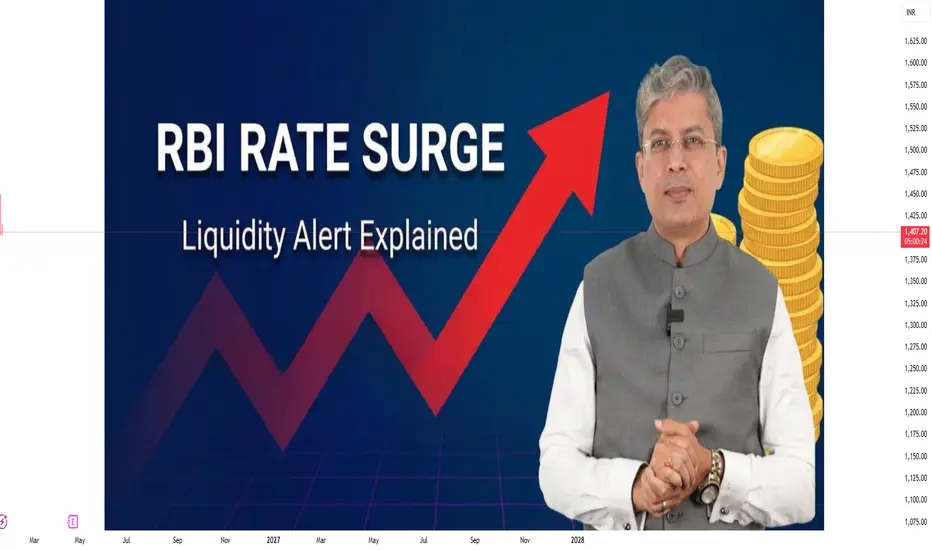
1. Role of the RBI in Monetary Policy
The RBI operates under a flexible inflation targeting framework, with the primary objective of maintaining price stability while supporting economic growth. Inflation, measured by the Consumer Price Index (CPI), is targeted at 4% with a tolerance band of ±2%. Interest rate decisions and liquidity operations are aligned to this mandate.
The Monetary Policy Committee (MPC), comprising RBI officials and external members, meets periodically to assess macroeconomic conditions and decide on policy rates such as the repo rate, which is the benchmark for short-term interest rates in the economy.
2. Interest Rate Outlook: Key Drivers
The RBI’s interest rate outlook is shaped by a combination of domestic and global factors:
a. Inflation Dynamics
Inflation remains the most critical determinant of RBI’s policy stance. Key inflation drivers include:
Food inflation, especially cereals, pulses, vegetables, and edible oils
Fuel and energy prices, influenced by global crude oil trends
Core inflation, which reflects demand-side pressures
If inflation shows signs of persistence or risks breaching the tolerance band, the RBI tends to maintain a tight or cautious stance. Conversely, sustained disinflation creates room for policy easing.
b. Economic Growth
The RBI closely tracks GDP growth, industrial production, services activity, and consumption trends.
Strong growth with rising demand may warrant higher interest rates to prevent overheating.
Weak growth or slowing investment may push the RBI toward rate cuts to stimulate borrowing and spending.
The central bank typically aims for a balanced approach, avoiding aggressive rate moves unless macro conditions demand it.
c. Global Monetary Conditions
Global central banks—particularly the US Federal Reserve, ECB, and Bank of England—significantly influence RBI decisions.
Tight global liquidity or high global interest rates can lead to capital outflows from emerging markets like India.
To maintain currency stability and financial attractiveness, the RBI may delay or moderate rate cuts even if domestic conditions allow easing.
d. Exchange Rate and Capital Flows
Sharp volatility in the rupee or large capital flow movements can affect RBI’s rate outlook. Higher interest rates often help:
Support the currency
Attract foreign portfolio investment
Reduce imported inflation pressures
3. RBI’s Current Interest Rate Stance: A Broad Outlook
In the present environment, the RBI’s interest rate outlook can be described as cautious and data-dependent. Rather than committing to a fixed path of rate hikes or cuts, the central bank emphasizes:
Inflation sustainability over short-term growth boosts
Gradual policy normalization
Clear communication to avoid market shocks
This approach reflects RBI’s preference for stability and predictability, especially during periods of global uncertainty.
4. Understanding Liquidity Conditions
Liquidity refers to the availability of money in the banking system. Even with unchanged policy rates, liquidity conditions can significantly influence borrowing costs and financial market behavior.
The RBI manages liquidity primarily through:
Liquidity Adjustment Facility (LAF)
Repo and reverse repo operations
Standing Deposit Facility (SDF)
Open Market Operations (OMOs)
Variable Rate Repo (VRR) auctions
5. Liquidity Conditions in the Indian Banking System
Liquidity conditions fluctuate based on several factors:
a. Government Cash Balances
Large government tax collections or bond issuances can drain liquidity, while government spending injects liquidity into the system.
b. Currency in Circulation
Higher cash withdrawals during festive seasons or elections reduce system liquidity, while returns of cash to banks improve it.
c. Capital Flows
Foreign investment inflows add liquidity, while outflows tighten it.
d. RBI Operations
The RBI actively fine-tunes liquidity to ensure that overnight rates remain close to the policy rate.
6. RBI’s Liquidity Management Approach
The RBI follows a “neutral to calibrated liquidity” approach:
It avoids excessive surplus liquidity that could fuel inflation or asset bubbles.
It also prevents sharp liquidity shortages that could disrupt credit flow and financial markets.
By using variable rate auctions and short-term liquidity tools, the RBI ensures that:
Money market rates remain aligned with policy signals
Banks have adequate funds to meet credit demand
Financial stability risks are minimized
7. Interaction Between Interest Rates and Liquidity
Interest rates and liquidity work in tandem:
High rates + tight liquidity = strong anti-inflation stance
Low rates + surplus liquidity = growth-supportive environment
The RBI often prefers adjusting liquidity before changing rates, using liquidity as a flexible, short-term tool and rates as a more structural signal.
8. Impact on Banks, Borrowers, and Markets
a. Banking Sector
Stable liquidity conditions help banks:
Manage funding costs
Maintain credit growth
Improve transmission of policy rates to lending and deposit rates
b. Borrowers
Interest rate outlook directly affects:
Home loans
Corporate borrowing
MSME financing
A cautious RBI stance provides predictability, allowing borrowers to plan long-term investments.
c. Financial Markets
Bond yields, equity valuations, and currency movements respond to RBI signals on rates and liquidity. Clear communication helps reduce volatility and speculative excesses.
9. Risks and Challenges Ahead
Despite careful policy management, challenges remain:
Volatile food and energy prices
Geopolitical risks impacting global trade and oil prices
Climate-related supply disruptions
Sudden shifts in global capital flows
The RBI must continuously balance inflation control with growth support amid these uncertainties.
10. Conclusion
The RBI’s interest rate outlook and liquidity conditions reflect a measured, prudent, and forward-looking policy framework. By prioritizing inflation control, maintaining adequate liquidity, and responding flexibly to evolving data, the RBI aims to ensure macroeconomic stability while supporting sustainable economic growth.
For investors and market participants, the key takeaway is clear: RBI policy is unlikely to be impulsive. Instead, it will remain data-driven, cautious, and stability-oriented, with interest rates and liquidity tools working together to navigate India through both domestic challenges and global uncertainties.
The RBI operates under a flexible inflation targeting framework, with the primary objective of maintaining price stability while supporting economic growth. Inflation, measured by the Consumer Price Index (CPI), is targeted at 4% with a tolerance band of ±2%. Interest rate decisions and liquidity operations are aligned to this mandate.
The Monetary Policy Committee (MPC), comprising RBI officials and external members, meets periodically to assess macroeconomic conditions and decide on policy rates such as the repo rate, which is the benchmark for short-term interest rates in the economy.
2. Interest Rate Outlook: Key Drivers
The RBI’s interest rate outlook is shaped by a combination of domestic and global factors:
a. Inflation Dynamics
Inflation remains the most critical determinant of RBI’s policy stance. Key inflation drivers include:
Food inflation, especially cereals, pulses, vegetables, and edible oils
Fuel and energy prices, influenced by global crude oil trends
Core inflation, which reflects demand-side pressures
If inflation shows signs of persistence or risks breaching the tolerance band, the RBI tends to maintain a tight or cautious stance. Conversely, sustained disinflation creates room for policy easing.
b. Economic Growth
The RBI closely tracks GDP growth, industrial production, services activity, and consumption trends.
Strong growth with rising demand may warrant higher interest rates to prevent overheating.
Weak growth or slowing investment may push the RBI toward rate cuts to stimulate borrowing and spending.
The central bank typically aims for a balanced approach, avoiding aggressive rate moves unless macro conditions demand it.
c. Global Monetary Conditions
Global central banks—particularly the US Federal Reserve, ECB, and Bank of England—significantly influence RBI decisions.
Tight global liquidity or high global interest rates can lead to capital outflows from emerging markets like India.
To maintain currency stability and financial attractiveness, the RBI may delay or moderate rate cuts even if domestic conditions allow easing.
d. Exchange Rate and Capital Flows
Sharp volatility in the rupee or large capital flow movements can affect RBI’s rate outlook. Higher interest rates often help:
Support the currency
Attract foreign portfolio investment
Reduce imported inflation pressures
3. RBI’s Current Interest Rate Stance: A Broad Outlook
In the present environment, the RBI’s interest rate outlook can be described as cautious and data-dependent. Rather than committing to a fixed path of rate hikes or cuts, the central bank emphasizes:
Inflation sustainability over short-term growth boosts
Gradual policy normalization
Clear communication to avoid market shocks
This approach reflects RBI’s preference for stability and predictability, especially during periods of global uncertainty.
4. Understanding Liquidity Conditions
Liquidity refers to the availability of money in the banking system. Even with unchanged policy rates, liquidity conditions can significantly influence borrowing costs and financial market behavior.
The RBI manages liquidity primarily through:
Liquidity Adjustment Facility (LAF)
Repo and reverse repo operations
Standing Deposit Facility (SDF)
Open Market Operations (OMOs)
Variable Rate Repo (VRR) auctions
5. Liquidity Conditions in the Indian Banking System
Liquidity conditions fluctuate based on several factors:
a. Government Cash Balances
Large government tax collections or bond issuances can drain liquidity, while government spending injects liquidity into the system.
b. Currency in Circulation
Higher cash withdrawals during festive seasons or elections reduce system liquidity, while returns of cash to banks improve it.
c. Capital Flows
Foreign investment inflows add liquidity, while outflows tighten it.
d. RBI Operations
The RBI actively fine-tunes liquidity to ensure that overnight rates remain close to the policy rate.
6. RBI’s Liquidity Management Approach
The RBI follows a “neutral to calibrated liquidity” approach:
It avoids excessive surplus liquidity that could fuel inflation or asset bubbles.
It also prevents sharp liquidity shortages that could disrupt credit flow and financial markets.
By using variable rate auctions and short-term liquidity tools, the RBI ensures that:
Money market rates remain aligned with policy signals
Banks have adequate funds to meet credit demand
Financial stability risks are minimized
7. Interaction Between Interest Rates and Liquidity
Interest rates and liquidity work in tandem:
High rates + tight liquidity = strong anti-inflation stance
Low rates + surplus liquidity = growth-supportive environment
The RBI often prefers adjusting liquidity before changing rates, using liquidity as a flexible, short-term tool and rates as a more structural signal.
8. Impact on Banks, Borrowers, and Markets
a. Banking Sector
Stable liquidity conditions help banks:
Manage funding costs
Maintain credit growth
Improve transmission of policy rates to lending and deposit rates
b. Borrowers
Interest rate outlook directly affects:
Home loans
Corporate borrowing
MSME financing
A cautious RBI stance provides predictability, allowing borrowers to plan long-term investments.
c. Financial Markets
Bond yields, equity valuations, and currency movements respond to RBI signals on rates and liquidity. Clear communication helps reduce volatility and speculative excesses.
9. Risks and Challenges Ahead
Despite careful policy management, challenges remain:
Volatile food and energy prices
Geopolitical risks impacting global trade and oil prices
Climate-related supply disruptions
Sudden shifts in global capital flows
The RBI must continuously balance inflation control with growth support amid these uncertainties.
10. Conclusion
The RBI’s interest rate outlook and liquidity conditions reflect a measured, prudent, and forward-looking policy framework. By prioritizing inflation control, maintaining adequate liquidity, and responding flexibly to evolving data, the RBI aims to ensure macroeconomic stability while supporting sustainable economic growth.
For investors and market participants, the key takeaway is clear: RBI policy is unlikely to be impulsive. Instead, it will remain data-driven, cautious, and stability-oriented, with interest rates and liquidity tools working together to navigate India through both domestic challenges and global uncertainties.

Похожие публикации
Отказ от ответственности
Информация и публикации не предназначены для предоставления и не являются финансовыми, инвестиционными, торговыми или другими видами советов или рекомендаций, предоставленных или одобренных TradingView. Подробнее читайте в Условиях использования.
Похожие публикации
Отказ от ответственности
Информация и публикации не предназначены для предоставления и не являются финансовыми, инвестиционными, торговыми или другими видами советов или рекомендаций, предоставленных или одобренных TradingView. Подробнее читайте в Условиях использования.