
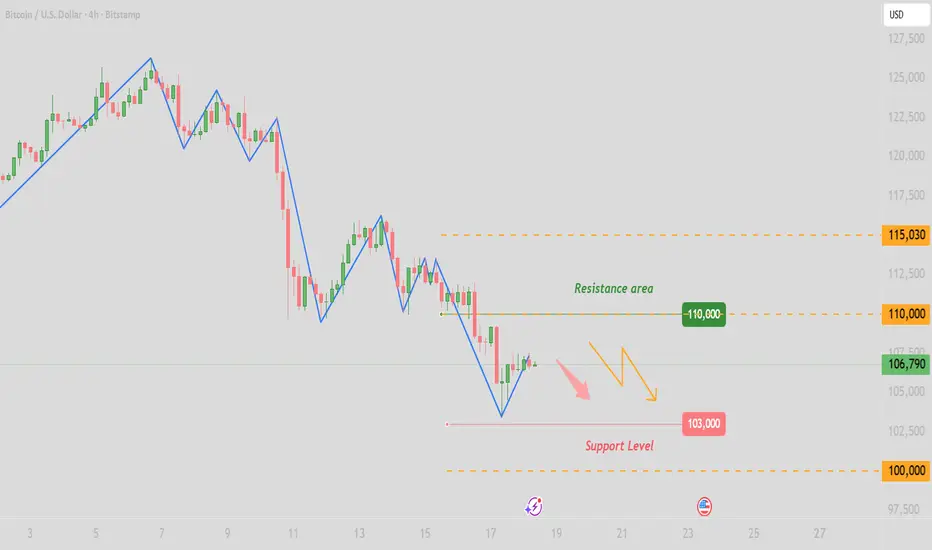
🎉This week, BTC generally exhibited intense volatility, following a trajectory of "continuing the previous uptrend first, then oscillating downward, and finally rebounding after touching support".
📝Monday: Continuing the Uptrend and Breaking Key Levels
Building on the upward momentum from the previous weekend, Bitcoin’s price smoothly broke through the key psychological level of 115,000 and did not stop there—it continued to climb to around 116,000, setting a stage of interim highs for the week’s trend.
📝Tuesday to Thursday: Oscillating Downward and Losing Key Support
The uptrend failed to sustain. Starting from Tuesday, Bitcoin entered a phase of oscillating decline; its price gradually pulled back and broke below the short-term key support level of 110,000 in the process. Downward pressure continued to release, and the weak sentiment persisted all the way to Friday.
📝Friday: Bottoming Out, Rebounding on Support, and Consolidating in a Narrow Range
On Friday, when the price further dipped to just above 103,000, it received strong support at this level and staged a rebound, easing the previous downward momentum. However, the rebound lacked strength and failed to retake the 110,000 level.
📝As of now, it remains fluctuating in a narrow range between 106,000 and 107,600.
💡It was mainly influenced by a combination of factors including macroeconomic policies, market sentiment, and technical indicators. The details are as follows:
💎Reasons for the Early Rally
1-Impact of Expectations for Fed Interest Rate Cuts
The Federal Reserve (Fed) launched an interest rate cut cycle in September 2025. The market expects two consecutive rate cuts in October and December, and the anticipated decline in both nominal and real interest rates has increased the appeal of Bitcoin as a non-interest-bearing asset. This attracted inflows of some funds, driving up its price.
2-Support from Sovereign Nations’ Strategic Reserves
The Trump administration established the U.S. Strategic Bitcoin Reserve, incorporating Bitcoin into the national economic asset framework—a move that triggered emulation by many countries. The number of listed companies holding Bitcoin globally has increased significantly, with a total of large Bitcoin holdings. This "digital gold" positioning has significantly boosted Bitcoin’s weight in global asset allocation, pushing its price higher.
3-Impact of Historical Cyclical Patterns
Over the past decade, Bitcoin has achieved an average return rate of over 22% in the month of October. In October this year, the balance of the U.S. Treasury General Account is approaching the $850 billion target, and expectations of funds flowing back into the market have also provided support for Bitcoin’s price.
💎Reasons for the Late Decline
1-Panic Triggered by Trade Policies
On October 10, U.S. President Trump threatened to impose a 100% tariff on Chinese goods, sparking market concerns about an escalation of the global trade war. Investors’ risk appetite declined, and funds flowed out of risky assets such as Bitcoin, leading to a price drop.
2-Substitution Effect of Gold
Gold prices have recently climbed to a record high above $4,300, with a cumulative increase of 18% in the past month. Due to gold’s strong momentum and lower volatility, funds have clearly favored gold more. Some investors shifted from Bitcoin to gold, suppressing Bitcoin’s price.
3-Sell-Off Triggered by Technical Breakdown
Bitcoin fell below the 2025 "realized price" level—a key technical indicator that tracks the average withdrawal price of all wallets. Sustained trading below this level triggered further sell-offs by holders seeking to limit losses. Additionally, after Bitcoin broke below the key support level of $111,000, automated trading systems and stop-loss orders were triggered, intensifying selling pressure.
4-Cascading Margin Calls Driven by High Leverage
Bitcoin’s price decline led to nearly 300,000 margin calls in the cryptocurrency market, with a total liquidation value of $1.221 billion. A large number of leveraged long positions accumulated earlier were forced to close out amid the price drop, forming a vicious cycle of "decline → margin call → further decline" and amplifying downward pressure on the price.
📝Monday: Continuing the Uptrend and Breaking Key Levels
Building on the upward momentum from the previous weekend, Bitcoin’s price smoothly broke through the key psychological level of 115,000 and did not stop there—it continued to climb to around 116,000, setting a stage of interim highs for the week’s trend.
📝Tuesday to Thursday: Oscillating Downward and Losing Key Support
The uptrend failed to sustain. Starting from Tuesday, Bitcoin entered a phase of oscillating decline; its price gradually pulled back and broke below the short-term key support level of 110,000 in the process. Downward pressure continued to release, and the weak sentiment persisted all the way to Friday.
📝Friday: Bottoming Out, Rebounding on Support, and Consolidating in a Narrow Range
On Friday, when the price further dipped to just above 103,000, it received strong support at this level and staged a rebound, easing the previous downward momentum. However, the rebound lacked strength and failed to retake the 110,000 level.
📝As of now, it remains fluctuating in a narrow range between 106,000 and 107,600.
💡It was mainly influenced by a combination of factors including macroeconomic policies, market sentiment, and technical indicators. The details are as follows:
💎Reasons for the Early Rally
1-Impact of Expectations for Fed Interest Rate Cuts
The Federal Reserve (Fed) launched an interest rate cut cycle in September 2025. The market expects two consecutive rate cuts in October and December, and the anticipated decline in both nominal and real interest rates has increased the appeal of Bitcoin as a non-interest-bearing asset. This attracted inflows of some funds, driving up its price.
2-Support from Sovereign Nations’ Strategic Reserves
The Trump administration established the U.S. Strategic Bitcoin Reserve, incorporating Bitcoin into the national economic asset framework—a move that triggered emulation by many countries. The number of listed companies holding Bitcoin globally has increased significantly, with a total of large Bitcoin holdings. This "digital gold" positioning has significantly boosted Bitcoin’s weight in global asset allocation, pushing its price higher.
3-Impact of Historical Cyclical Patterns
Over the past decade, Bitcoin has achieved an average return rate of over 22% in the month of October. In October this year, the balance of the U.S. Treasury General Account is approaching the $850 billion target, and expectations of funds flowing back into the market have also provided support for Bitcoin’s price.
💎Reasons for the Late Decline
1-Panic Triggered by Trade Policies
On October 10, U.S. President Trump threatened to impose a 100% tariff on Chinese goods, sparking market concerns about an escalation of the global trade war. Investors’ risk appetite declined, and funds flowed out of risky assets such as Bitcoin, leading to a price drop.
2-Substitution Effect of Gold
Gold prices have recently climbed to a record high above $4,300, with a cumulative increase of 18% in the past month. Due to gold’s strong momentum and lower volatility, funds have clearly favored gold more. Some investors shifted from Bitcoin to gold, suppressing Bitcoin’s price.
3-Sell-Off Triggered by Technical Breakdown
Bitcoin fell below the 2025 "realized price" level—a key technical indicator that tracks the average withdrawal price of all wallets. Sustained trading below this level triggered further sell-offs by holders seeking to limit losses. Additionally, after Bitcoin broke below the key support level of $111,000, automated trading systems and stop-loss orders were triggered, intensifying selling pressure.
4-Cascading Margin Calls Driven by High Leverage
Bitcoin’s price decline led to nearly 300,000 margin calls in the cryptocurrency market, with a total liquidation value of $1.221 billion. A large number of leveraged long positions accumulated earlier were forced to close out amid the price drop, forming a vicious cycle of "decline → margin call → further decline" and amplifying downward pressure on the price.

การนำเสนอที่เกี่ยวข้อง
คำจำกัดสิทธิ์ความรับผิดชอบ
ข้อมูลและบทความไม่ได้มีวัตถุประสงค์เพื่อก่อให้เกิดกิจกรรมทางการเงิน, การลงทุน, การซื้อขาย, ข้อเสนอแนะ หรือคำแนะนำประเภทอื่น ๆ ที่ให้หรือรับรองโดย TradingView อ่านเพิ่มเติมใน ข้อกำหนดการใช้งาน
การนำเสนอที่เกี่ยวข้อง
คำจำกัดสิทธิ์ความรับผิดชอบ
ข้อมูลและบทความไม่ได้มีวัตถุประสงค์เพื่อก่อให้เกิดกิจกรรมทางการเงิน, การลงทุน, การซื้อขาย, ข้อเสนอแนะ หรือคำแนะนำประเภทอื่น ๆ ที่ให้หรือรับรองโดย TradingView อ่านเพิ่มเติมใน ข้อกำหนดการใช้งาน