

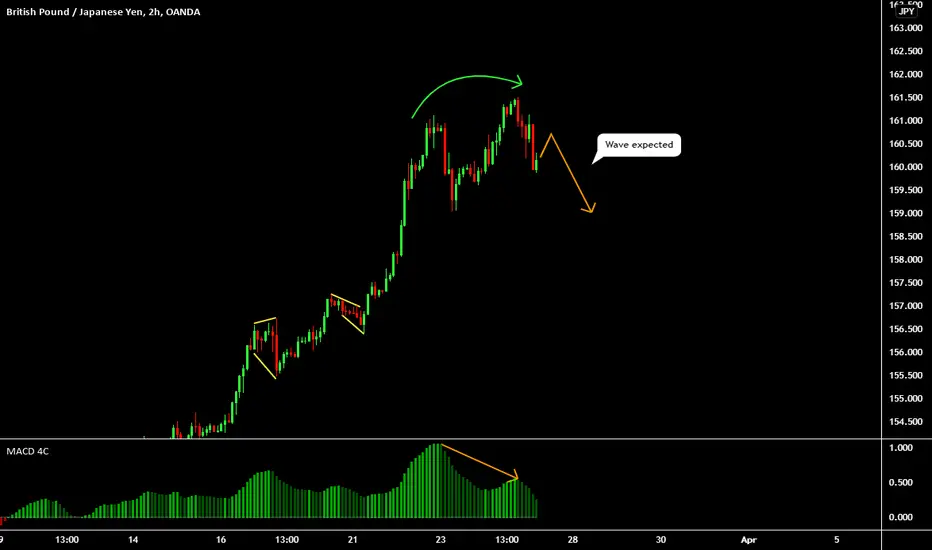
GBP
FUNDAMENTAL BIAS: NEUTRAL
1. Monetary Policy
The BoE hiked rates by 25bsp as expected at their March meeting but delivered what was seen as a bearish hike as it was not a unanimous decision with BoE’s Cunliffe voting to leave rates unchanged. This was a very stark change from February where 4 members voted for a 50bsp hike. Cunliffe noted the negative impacts of higher commodity prices on real household incomes and economic activity as the main reason for his dissention, while the remaining members thought a 25bsp hike was appropriate given the tight labour market and risks of second round effects. Even though inflation forecasts were upgraded to 8% in Q2 (previous 7.25%), the negative view that GDP was expected to slow to subdued rates once again showed growing concern of stagflation risks. For us, the most bearish element of the statement was a change in language regarding incoming rates where the bank said they judge that some further modest tightening MIGHT be appropriate where previous guidance said more tightening was ‘likely to be’ appropriate, which was a very clear push back against the overly aggressive rate path that has been priced in for the bank. The bank further pushed back by noting that the current rate path implied by markets would mean inflation would be below their target in three years’ time, in other words saying they won’t hike as much, and confirms our estimates that policy reached peak hawkishness in February. The 100% odds of a 25bsp for May has drifted to just above 80% on Friday, and markets will pay very close attention to incoming BoE speak, where a further push back against higher rates could be enough to see markets pricing out some of the 4 hikes still priced for the rest of the year.
2. Economic & Health Developments
With inflation the main reason for the BoE’s recent rate hikes, there is a concern that the UK economy faces stagflation risk, as price pressures stay sticky while growth decelerates. That also means that current market expectations for rates continues to look way too aggressive even after the BoE’s recent push back. This means downside risks for GBP if growth data push lower and/or the BoE continue to push their recent dovish tone.
3. Political Developments
Political uncertainty is usually GBP negative, so the fate of PM Johnson remains a focus. Fallout from the Sue Gray report was limited but as distrust grows the question remains whether a vote of no-confidence will happen (if so,short-term downside is likely). Focus will then be on whether the PM can survive a no-confidence vote (a win should be GBP positive and a loss GBP negative). The Northern Ireland protocol remains a focus with the UK threatening to trigger Article 16 and the EU threatening to terminate the Brexit deal if they do. For now, markets have rightly ignored this as posturing, but any actual escalation can see sharp downside for GBP.
4. CFTC Analysis
Recent CFTC data showed GBP positioning continues to deteriorate across market participants with net-short increases for large specs and net-long reductions for leveraged funds. After the more dovish than expected BoE last week (and since it took place Thursday) incoming CFTC data should see this trend continue.
JPY
FUNDAMENTAL BIAS: BEARISH
1. Monetary Policy
No surprises from the BoJ at their March meeting. As usual, the BoJ continued their three decade long easy policy with Governor Kuroda dismissing any chances of starting to debate an exit from the current policy stance. The language and tone were very similar to their prior meeting where the bank remained committed to provide any additional easing if necessary and noted that the current geopolitical situation increases the risks and uncertainty for Japan’s economy. The bank did note that they expect inflation to rise to close to 2% in Q2 as a result of the recent upside in oil prices, but the governor did explain that recent fears of stagflation in places like Japan, EU and US are overdone. Furthermore, Governor Kuroda explained that rates in Japan will remain low and the rate differential between Japan and other major economies are expected to lead to a weaker currency and higher domestic price pressures in the months ahead.
2. Safe-haven status and overall risk outlook
As a safe-haven currency, the market's risk outlook is usually the primary driver. Economic data rarely proves market moving, and although monetary policy expectations can affect the JPY in the short-term, safe-haven flows are typically more dominant. Even though the market’s overall risk tone saw a huge recovery and risk-on frenzy from the middle of 2020 to the end of 2021, recent developments have increased risks. With central banks tightening policy into an economic slowdown, risk appetite is jittery. Even though that doesn’t our medterm bias for the JPY, it does means that we should expect more risk sentiment ebbs and flows this year, and the heightened volatility can create strong directional moves in the JPY, as long as yields play their part.
3. Low-yielding currency with inverse correlation to US10Y
As a low yielding currency, the JPY usually shares a strong inverse correlation to moves in US yield differentials. Like most correlations, the strength of the inverse correlation between the JPY and US10Y isn’t perfect and will ebb and flow depending on the market environment from both a risk and cycle point of view. With the Fed tilting more aggressive, we think that opens up more room for curve flattening to take place. In this environment there could be mild upside risks for the JPY, but we should not look at the influence from yields in isolation and weigh it up alongside underlying risk sentiment and price action in other safe havens.
4. CFTC Analysis
Even though the JPY’s med-term outlook remains bearish , the big net-shorts for both large specs and leveraged funds and asset managers always increases odds of punchy mean reversion when risk sentiment deteriorates. Thus, equities, US10Y and oil will remain very important drivers for the JPY in the weeks ahead.
FUNDAMENTAL BIAS: NEUTRAL
1. Monetary Policy
The BoE hiked rates by 25bsp as expected at their March meeting but delivered what was seen as a bearish hike as it was not a unanimous decision with BoE’s Cunliffe voting to leave rates unchanged. This was a very stark change from February where 4 members voted for a 50bsp hike. Cunliffe noted the negative impacts of higher commodity prices on real household incomes and economic activity as the main reason for his dissention, while the remaining members thought a 25bsp hike was appropriate given the tight labour market and risks of second round effects. Even though inflation forecasts were upgraded to 8% in Q2 (previous 7.25%), the negative view that GDP was expected to slow to subdued rates once again showed growing concern of stagflation risks. For us, the most bearish element of the statement was a change in language regarding incoming rates where the bank said they judge that some further modest tightening MIGHT be appropriate where previous guidance said more tightening was ‘likely to be’ appropriate, which was a very clear push back against the overly aggressive rate path that has been priced in for the bank. The bank further pushed back by noting that the current rate path implied by markets would mean inflation would be below their target in three years’ time, in other words saying they won’t hike as much, and confirms our estimates that policy reached peak hawkishness in February. The 100% odds of a 25bsp for May has drifted to just above 80% on Friday, and markets will pay very close attention to incoming BoE speak, where a further push back against higher rates could be enough to see markets pricing out some of the 4 hikes still priced for the rest of the year.
2. Economic & Health Developments
With inflation the main reason for the BoE’s recent rate hikes, there is a concern that the UK economy faces stagflation risk, as price pressures stay sticky while growth decelerates. That also means that current market expectations for rates continues to look way too aggressive even after the BoE’s recent push back. This means downside risks for GBP if growth data push lower and/or the BoE continue to push their recent dovish tone.
3. Political Developments
Political uncertainty is usually GBP negative, so the fate of PM Johnson remains a focus. Fallout from the Sue Gray report was limited but as distrust grows the question remains whether a vote of no-confidence will happen (if so,short-term downside is likely). Focus will then be on whether the PM can survive a no-confidence vote (a win should be GBP positive and a loss GBP negative). The Northern Ireland protocol remains a focus with the UK threatening to trigger Article 16 and the EU threatening to terminate the Brexit deal if they do. For now, markets have rightly ignored this as posturing, but any actual escalation can see sharp downside for GBP.
4. CFTC Analysis
Recent CFTC data showed GBP positioning continues to deteriorate across market participants with net-short increases for large specs and net-long reductions for leveraged funds. After the more dovish than expected BoE last week (and since it took place Thursday) incoming CFTC data should see this trend continue.
JPY
FUNDAMENTAL BIAS: BEARISH
1. Monetary Policy
No surprises from the BoJ at their March meeting. As usual, the BoJ continued their three decade long easy policy with Governor Kuroda dismissing any chances of starting to debate an exit from the current policy stance. The language and tone were very similar to their prior meeting where the bank remained committed to provide any additional easing if necessary and noted that the current geopolitical situation increases the risks and uncertainty for Japan’s economy. The bank did note that they expect inflation to rise to close to 2% in Q2 as a result of the recent upside in oil prices, but the governor did explain that recent fears of stagflation in places like Japan, EU and US are overdone. Furthermore, Governor Kuroda explained that rates in Japan will remain low and the rate differential between Japan and other major economies are expected to lead to a weaker currency and higher domestic price pressures in the months ahead.
2. Safe-haven status and overall risk outlook
As a safe-haven currency, the market's risk outlook is usually the primary driver. Economic data rarely proves market moving, and although monetary policy expectations can affect the JPY in the short-term, safe-haven flows are typically more dominant. Even though the market’s overall risk tone saw a huge recovery and risk-on frenzy from the middle of 2020 to the end of 2021, recent developments have increased risks. With central banks tightening policy into an economic slowdown, risk appetite is jittery. Even though that doesn’t our medterm bias for the JPY, it does means that we should expect more risk sentiment ebbs and flows this year, and the heightened volatility can create strong directional moves in the JPY, as long as yields play their part.
3. Low-yielding currency with inverse correlation to US10Y
As a low yielding currency, the JPY usually shares a strong inverse correlation to moves in US yield differentials. Like most correlations, the strength of the inverse correlation between the JPY and US10Y isn’t perfect and will ebb and flow depending on the market environment from both a risk and cycle point of view. With the Fed tilting more aggressive, we think that opens up more room for curve flattening to take place. In this environment there could be mild upside risks for the JPY, but we should not look at the influence from yields in isolation and weigh it up alongside underlying risk sentiment and price action in other safe havens.
4. CFTC Analysis
Even though the JPY’s med-term outlook remains bearish , the big net-shorts for both large specs and leveraged funds and asset managers always increases odds of punchy mean reversion when risk sentiment deteriorates. Thus, equities, US10Y and oil will remain very important drivers for the JPY in the weeks ahead.

คำจำกัดสิทธิ์ความรับผิดชอบ
ข้อมูลและบทความไม่ได้มีวัตถุประสงค์เพื่อก่อให้เกิดกิจกรรมทางการเงิน, การลงทุน, การซื้อขาย, ข้อเสนอแนะ หรือคำแนะนำประเภทอื่น ๆ ที่ให้หรือรับรองโดย TradingView อ่านเพิ่มเติมใน ข้อกำหนดการใช้งาน
คำจำกัดสิทธิ์ความรับผิดชอบ
ข้อมูลและบทความไม่ได้มีวัตถุประสงค์เพื่อก่อให้เกิดกิจกรรมทางการเงิน, การลงทุน, การซื้อขาย, ข้อเสนอแนะ หรือคำแนะนำประเภทอื่น ๆ ที่ให้หรือรับรองโดย TradingView อ่านเพิ่มเติมใน ข้อกำหนดการใช้งาน