

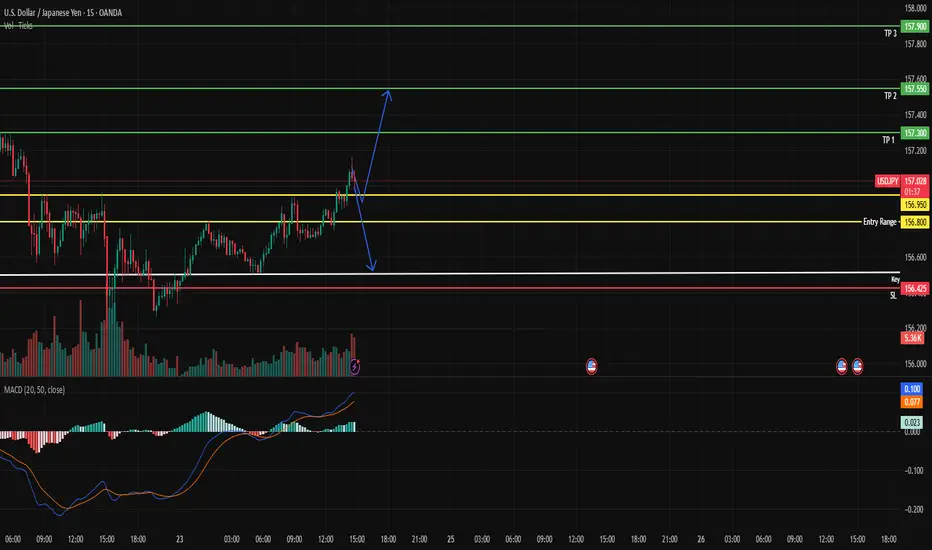
The broader macro environment continues to shift against the U.S. dollar, with markets increasingly pricing the start of Federal Reserve easing as early as December or January. Rising expectations of rate cuts, paired with softening U.S. front-end yields, have weighed on the dollar’s momentum across major pairs. On the one hand, a potential Fed decision to delay easing until later in the year could reinvigorate the dollar, creating unexpected volatility. On the other hand, should the Fed opt for a more aggressive shift toward easing, it might accelerate dollar depreciation. At the same time, Japanese authorities have intensified their intervention rhetoric, particularly as USD/JPY trades near historically sensitive levels where the Ministry of Finance has previously acted to stabilize yen depreciation. A potential shift in the Bank of Japan's stance toward normalization, such as adjusting their yield curve control policy, could further alter the market dynamics. Despite these pressures, interest-rate differentials continue to favor USD/JPY upside, keeping the pair elevated as carry demand persists.
Price action on the 1H, 15m, and 5m charts shows repeated absorption of sell orders at the 156.75–156.80 region with declining pullback volume, a sign of demand defending the level. However, the pair remains vulnerable to a downside break should sellers regain control, particularly given early-stage MACD compression. With the 4H 200 EMA positioned well below current price action, any sustained breakdown could trigger a deeper correction aligned with the broader shift toward USD softness.
Thesis
Bull Bias (High Probability)
Entry: 156.80 – 156.95
Stop Loss: 156.55
Take Profit Levels:
TP1: 157.30
TP2: 157.55
TP3: 157.90 – 158.00
Reasoning: While BoJ intervention risk caps the upside, the bull case remains valid as long as intervention does not occur and 156.75 holds. Moreover, until the BoJ signals a clear shift toward normalization (e.g., raising rates or ending yield curve control outright), the yen’s fundamental backdrop remains weak. However, and this is critical, the bull case is fragile, not because of technicals, but because the entire upside continuation depends on no intervention event occurring. Upside targets toward 157.50–158.00 remain technically justified, but every pip higher increases the probability of official action. Historically, the probability of intervention at these levels is approximately 30%, underscoring the fragile nature of the bull case and serving as a quantitative anchor for informed skepticism.
Sell Bias (High-Probability, Conditional)
Entry: 156.72 – 156.78 (after breakdown confirmation)
Stop Loss: 157.15
Take Profit Levels:
TP1: 156.20
TP2: 155.70
TP3: 154.90 – 155.00
Reasoning: The strongest macro catalyst for a bearish reversal in USD/JPY is the risk of direct Japanese intervention, which is significantly elevated as the pair trades near historically sensitive levels around 157–158. This zone has repeatedly triggered the Ministry of Finance. Statements from the MoF have shifted from “monitoring FX markets closely” to explicit warnings about “excessive and one-sided moves that may require decisive action.” This is usually the final verbal step before intervention. For traders, this means that any breakdown below 156.75—especially if accompanied by high volume—could reflect market participants front-running expected intervention.
This publication is for informational and research purposes only and does not constitute financial, investment, or trading advice. The views expressed are those of the author and do not necessarily reflect those of Novaque & Co or its affiliates.
Novaque & Co, its employees, contributors, or related parties accept no liability for any loss or damage arising from reliance on the information presented. Readers are strongly advised to conduct their own due diligence and consult with a licensed financial advisor before making any investment decisions.
Past performance is not indicative of future results. The author and/or affiliated parties may hold positions in the assets discussed. Content is subject to change or update without notice.
Price action on the 1H, 15m, and 5m charts shows repeated absorption of sell orders at the 156.75–156.80 region with declining pullback volume, a sign of demand defending the level. However, the pair remains vulnerable to a downside break should sellers regain control, particularly given early-stage MACD compression. With the 4H 200 EMA positioned well below current price action, any sustained breakdown could trigger a deeper correction aligned with the broader shift toward USD softness.
Thesis
Bull Bias (High Probability)
Entry: 156.80 – 156.95
Stop Loss: 156.55
Take Profit Levels:
TP1: 157.30
TP2: 157.55
TP3: 157.90 – 158.00
Reasoning: While BoJ intervention risk caps the upside, the bull case remains valid as long as intervention does not occur and 156.75 holds. Moreover, until the BoJ signals a clear shift toward normalization (e.g., raising rates or ending yield curve control outright), the yen’s fundamental backdrop remains weak. However, and this is critical, the bull case is fragile, not because of technicals, but because the entire upside continuation depends on no intervention event occurring. Upside targets toward 157.50–158.00 remain technically justified, but every pip higher increases the probability of official action. Historically, the probability of intervention at these levels is approximately 30%, underscoring the fragile nature of the bull case and serving as a quantitative anchor for informed skepticism.
Sell Bias (High-Probability, Conditional)
Entry: 156.72 – 156.78 (after breakdown confirmation)
Stop Loss: 157.15
Take Profit Levels:
TP1: 156.20
TP2: 155.70
TP3: 154.90 – 155.00
Reasoning: The strongest macro catalyst for a bearish reversal in USD/JPY is the risk of direct Japanese intervention, which is significantly elevated as the pair trades near historically sensitive levels around 157–158. This zone has repeatedly triggered the Ministry of Finance. Statements from the MoF have shifted from “monitoring FX markets closely” to explicit warnings about “excessive and one-sided moves that may require decisive action.” This is usually the final verbal step before intervention. For traders, this means that any breakdown below 156.75—especially if accompanied by high volume—could reflect market participants front-running expected intervention.
This publication is for informational and research purposes only and does not constitute financial, investment, or trading advice. The views expressed are those of the author and do not necessarily reflect those of Novaque & Co or its affiliates.
Novaque & Co, its employees, contributors, or related parties accept no liability for any loss or damage arising from reliance on the information presented. Readers are strongly advised to conduct their own due diligence and consult with a licensed financial advisor before making any investment decisions.
Past performance is not indicative of future results. The author and/or affiliated parties may hold positions in the assets discussed. Content is subject to change or update without notice.

คำจำกัดสิทธิ์ความรับผิดชอบ
ข้อมูลและบทความไม่ได้มีวัตถุประสงค์เพื่อก่อให้เกิดกิจกรรมทางการเงิน, การลงทุน, การซื้อขาย, ข้อเสนอแนะ หรือคำแนะนำประเภทอื่น ๆ ที่ให้หรือรับรองโดย TradingView อ่านเพิ่มเติมใน ข้อกำหนดการใช้งาน
คำจำกัดสิทธิ์ความรับผิดชอบ
ข้อมูลและบทความไม่ได้มีวัตถุประสงค์เพื่อก่อให้เกิดกิจกรรมทางการเงิน, การลงทุน, การซื้อขาย, ข้อเสนอแนะ หรือคำแนะนำประเภทอื่น ๆ ที่ให้หรือรับรองโดย TradingView อ่านเพิ่มเติมใน ข้อกำหนดการใช้งาน