
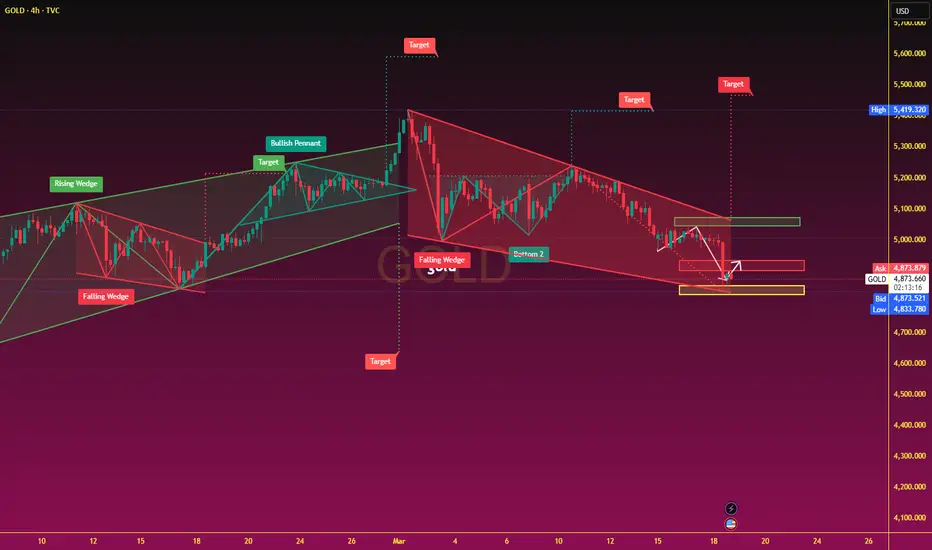
Core Driver: US February PPI Data Far Exceeds Expectations, Inflation Alarms Reignite
The US Department of Labor released its February Producer Price Index (PPI) data, showing a 0.7% month-on-month increase (far exceeding the expected 0.3% and the previous value of 0.5%), marking the largest increase in seven months. Commodity prices rose 1.1% month-on-month, the highest level since August 2023. This data directly shattered market optimism regarding a rapid interest rate cut by the Federal Reserve this year, putting significant renewed pressure on inflation.
Escalating Middle East Conflict Amplifies Inflation Concerns, Energy Prices Remain High
The conflict in Iran has continued for nearly three weeks, with no signs of easing. Iran's massive Pars gas field was attacked, marking the first time during the war that energy infrastructure in the Gulf region has been targeted. Tehran subsequently warned neighboring countries that their energy facilities were threatened. Brent crude futures prices remained above $100 per barrel, and NYMEX crude was close to $99. The significant transmission of energy costs has pushed up inflation expectations. The escalating conflict has exacerbated inflation and put pressure on gold prices. Gold Price Squeezed by Both Stronger Dollar and High Interest Rates
The US dollar index rebounded slightly, and the yield on the 10-year US Treasury note rose to approximately 4.2%. In a high-interest-rate environment, the cost of holding non-interest-bearing gold increases. Although the Middle East conflict has created some safe-haven demand, a strong dollar makes it more expensive for holders of other currencies to purchase gold, further exacerbating the downward pressure on gold prices.
Focus on the Meeting: Maintaining Interest Rates
The Federal Reserve maintained its interest rates unchanged at the end of its meeting and released its latest economic projections and dot plot. Powell then held a press conference, with the market most focused on his comments on today's better-than-expected PPI data and how he assesses the impact of the Trump administration's "endless conflict" in the Middle East on economic growth, inflation, and monetary policy prospects. If Powell emphasizes that "more time is needed to observe the persistence of the conflict" and that "inflation risks are skewed to the upside," short-term selling pressure on gold prices will intensify; conversely, if he suggests that the impact of the conflict on inflation is manageable or that there is still room for interest rate cuts in 2026, a rebound is possible.
The US Department of Labor released its February Producer Price Index (PPI) data, showing a 0.7% month-on-month increase (far exceeding the expected 0.3% and the previous value of 0.5%), marking the largest increase in seven months. Commodity prices rose 1.1% month-on-month, the highest level since August 2023. This data directly shattered market optimism regarding a rapid interest rate cut by the Federal Reserve this year, putting significant renewed pressure on inflation.
Escalating Middle East Conflict Amplifies Inflation Concerns, Energy Prices Remain High
The conflict in Iran has continued for nearly three weeks, with no signs of easing. Iran's massive Pars gas field was attacked, marking the first time during the war that energy infrastructure in the Gulf region has been targeted. Tehran subsequently warned neighboring countries that their energy facilities were threatened. Brent crude futures prices remained above $100 per barrel, and NYMEX crude was close to $99. The significant transmission of energy costs has pushed up inflation expectations. The escalating conflict has exacerbated inflation and put pressure on gold prices. Gold Price Squeezed by Both Stronger Dollar and High Interest Rates
The US dollar index rebounded slightly, and the yield on the 10-year US Treasury note rose to approximately 4.2%. In a high-interest-rate environment, the cost of holding non-interest-bearing gold increases. Although the Middle East conflict has created some safe-haven demand, a strong dollar makes it more expensive for holders of other currencies to purchase gold, further exacerbating the downward pressure on gold prices.
Focus on the Meeting: Maintaining Interest Rates
The Federal Reserve maintained its interest rates unchanged at the end of its meeting and released its latest economic projections and dot plot. Powell then held a press conference, with the market most focused on his comments on today's better-than-expected PPI data and how he assesses the impact of the Trump administration's "endless conflict" in the Middle East on economic growth, inflation, and monetary policy prospects. If Powell emphasizes that "more time is needed to observe the persistence of the conflict" and that "inflation risks are skewed to the upside," short-term selling pressure on gold prices will intensify; conversely, if he suggests that the impact of the conflict on inflation is manageable or that there is still room for interest rate cuts in 2026, a rebound is possible.

Feragatname
Bilgiler ve yayınlar, TradingView tarafından sağlanan veya onaylanan finansal, yatırım, alım satım veya diğer türden tavsiye veya öneriler anlamına gelmez ve teşkil etmez. Kullanım Koşulları bölümünde daha fazlasını okuyun.
Feragatname
Bilgiler ve yayınlar, TradingView tarafından sağlanan veya onaylanan finansal, yatırım, alım satım veya diğer türden tavsiye veya öneriler anlamına gelmez ve teşkil etmez. Kullanım Koşulları bölümünde daha fazlasını okuyun.