
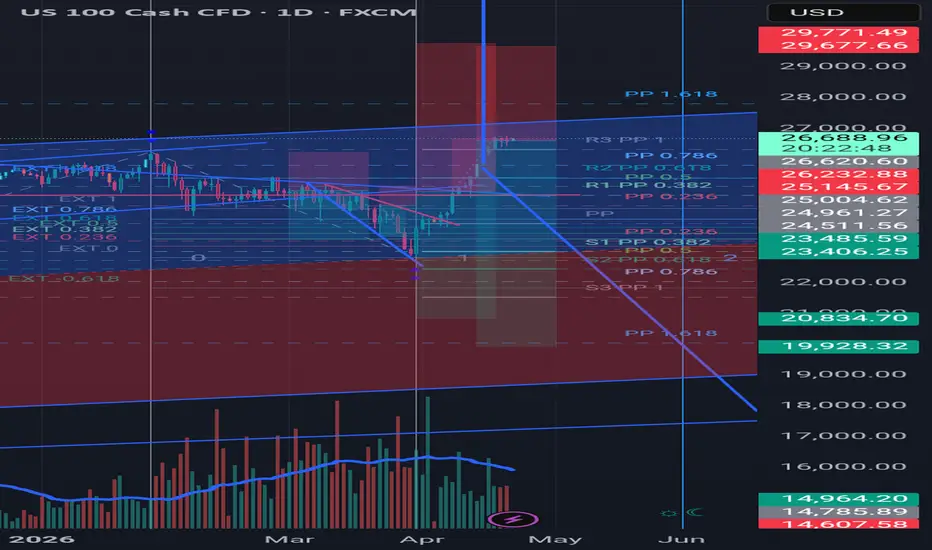
“Headline Markets: Trump’s Statements, Sudden Moves, and a Growing Trust Problem”
When One Voice Moves Billions
Markets are supposed to reflect economic reality.
Yet the S&P 500 and Nasdaq Composite continue to surge in an environment defined by:
geopolitical instability
slowing global growth
elevated inflation risks
fragile economic conditions
Instead of fundamentals, price action increasingly appears driven by timely political messaging—particularly from Donald Trump.
The Ceasefire Example: Markets Move First, Facts Later
In the latest case:
A ceasefire-related narrative was posted publicly
Markets reacted within minutes
Shortly after, responses from the region suggested the situation was not aligned with that narrative
The result:
👉 Price moved on the headline
👉 Clarification came after positioning had already shifted
This is not a small issue—it’s a structural vulnerability in modern markets.
Timing That Maximizes Impact
A repeated pattern has emerged:
statements released just before market close
or ahead of the next trading session
In those moments:
liquidity is thinner
futures react instantly
algorithmic systems amplify the move
By the time broader market participants respond, the move is already underway.
Oil Markets and Narrative Volatility
The effect is particularly visible in Crude Oil, where geopolitical messaging directly shapes expectations.
perceived de-escalation → price drops
perceived escalation → price spikes
When narratives shift quickly—especially without full confirmation—price can swing in ways that feel disconnected from physical supply realities.
Growing Scrutiny Around Trading Activity
Adding to the concern:
👉 Unusual trading activity around major announcements is drawing increased regulatory attention
Agencies such as the U.S. Securities and Exchange Commission routinely monitor for:
trades placed just before market-moving statements
abnormal positioning relative to news timing
patterns that may suggest misuse of information
While investigations do not imply wrongdoing on their own, they reflect a broader issue:
👉 confidence in fair price discovery is being questioned
Why This Feels Like Manipulation
For many participants, the pattern looks like:
A strong public statement appears
Markets react immediately
Conflicting or clarifying information follows
Early movers benefit from the initial reaction
This creates a perception that markets are being:
driven more by narrative timing than by verified reality
The Line That Hasn’t Been Crossed—Yet
There is a critical distinction:
Public statements that move markets are legal
Proven insider trading or coordinated manipulation is not
To establish illegality, regulators would need clear evidence of:
intent to mislead for financial gain
coordination with traders using non-public information
At this stage, what is visible is influence and timing—not legally proven manipulation.
A Fragile System Built on Speed
Modern markets are optimized for reaction:
headlines are parsed instantly
trades are executed in milliseconds
narratives can move billions before facts are verified
That creates a dangerous imbalance:
👉 Speed has outpaced certainty
Conclusion: Trust Is the Real Risk
Markets rely on one fundamental principle:
👉 trust in fair and transparent price discovery
When:
prices move before facts are confirmed
narratives shift rapidly
and unusual trading patterns raise questions
that trust begins to erode.
And once trust is questioned, it becomes difficult to restore.
Because while markets can ignore reality for a time
👉 people cannot be misled indefinitely without consequences.
When One Voice Moves Billions
Markets are supposed to reflect economic reality.
Yet the S&P 500 and Nasdaq Composite continue to surge in an environment defined by:
geopolitical instability
slowing global growth
elevated inflation risks
fragile economic conditions
Instead of fundamentals, price action increasingly appears driven by timely political messaging—particularly from Donald Trump.
The Ceasefire Example: Markets Move First, Facts Later
In the latest case:
A ceasefire-related narrative was posted publicly
Markets reacted within minutes
Shortly after, responses from the region suggested the situation was not aligned with that narrative
The result:
👉 Price moved on the headline
👉 Clarification came after positioning had already shifted
This is not a small issue—it’s a structural vulnerability in modern markets.
Timing That Maximizes Impact
A repeated pattern has emerged:
statements released just before market close
or ahead of the next trading session
In those moments:
liquidity is thinner
futures react instantly
algorithmic systems amplify the move
By the time broader market participants respond, the move is already underway.
Oil Markets and Narrative Volatility
The effect is particularly visible in Crude Oil, where geopolitical messaging directly shapes expectations.
perceived de-escalation → price drops
perceived escalation → price spikes
When narratives shift quickly—especially without full confirmation—price can swing in ways that feel disconnected from physical supply realities.
Growing Scrutiny Around Trading Activity
Adding to the concern:
👉 Unusual trading activity around major announcements is drawing increased regulatory attention
Agencies such as the U.S. Securities and Exchange Commission routinely monitor for:
trades placed just before market-moving statements
abnormal positioning relative to news timing
patterns that may suggest misuse of information
While investigations do not imply wrongdoing on their own, they reflect a broader issue:
👉 confidence in fair price discovery is being questioned
Why This Feels Like Manipulation
For many participants, the pattern looks like:
A strong public statement appears
Markets react immediately
Conflicting or clarifying information follows
Early movers benefit from the initial reaction
This creates a perception that markets are being:
driven more by narrative timing than by verified reality
The Line That Hasn’t Been Crossed—Yet
There is a critical distinction:
Public statements that move markets are legal
Proven insider trading or coordinated manipulation is not
To establish illegality, regulators would need clear evidence of:
intent to mislead for financial gain
coordination with traders using non-public information
At this stage, what is visible is influence and timing—not legally proven manipulation.
A Fragile System Built on Speed
Modern markets are optimized for reaction:
headlines are parsed instantly
trades are executed in milliseconds
narratives can move billions before facts are verified
That creates a dangerous imbalance:
👉 Speed has outpaced certainty
Conclusion: Trust Is the Real Risk
Markets rely on one fundamental principle:
👉 trust in fair and transparent price discovery
When:
prices move before facts are confirmed
narratives shift rapidly
and unusual trading patterns raise questions
that trust begins to erode.
And once trust is questioned, it becomes difficult to restore.
Because while markets can ignore reality for a time
👉 people cannot be misled indefinitely without consequences.

免責聲明
這些資訊和出版物並非旨在提供,也不構成TradingView提供或認可的任何形式的財務、投資、交易或其他類型的建議或推薦。請閱讀使用條款以了解更多資訊。
免責聲明
這些資訊和出版物並非旨在提供,也不構成TradingView提供或認可的任何形式的財務、投資、交易或其他類型的建議或推薦。請閱讀使用條款以了解更多資訊。