
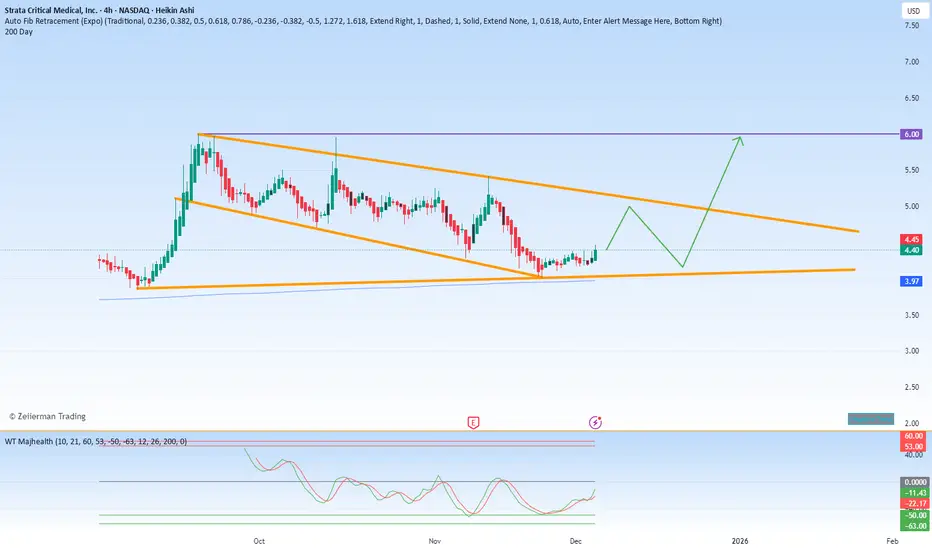
Strata operates as a premier, time-critical logistics and specialized medical services provider within the United States healthcare sector. The company manages one of the nation’s most extensive and sophisticated networks dedicated to air transportation and comprehensive surgical support services, primarily serving transplant hospitals and organ procurement organizations (OPOs). By offering a fully integrated "one call" solution for donor organ recovery and placement, Strata streamlines a complex, life-critical process, positioning itself as an essential partner in the transplant ecosystem.
Strata's service portfolio is built around several core offerings:
Logistics & Surgical Services: Providing end-to-end air and ground transportation solutions coupled with on-site surgical teams for organ recovery.
Organ Placement & Perfusion: Facilitating the matching and placement of donor organs and offering advanced normothermic regional perfusion services to preserve organ viability.
Perfusion Staffing & Equipment: Through its acquired brands, Trinity Medical Solutions and Keystone Perfusion, Strata supplies specialized perfusion staffing, training, and equipment to cardiovascular surgery centers, expanding its clinical footprint beyond transplant logistics.
Forward-Looking Statements: Intent, Scope, and Inherent Uncertainties
This communication includes numerous "forward-looking statements" as defined under the Private Securities Litigation Reform Act of 1995. These statements are not historical facts but rather reflect management's current expectations, strategies, and projections about future events and financial performance. They are commonly identified by terminology such as "will," "anticipate," "believe," "expect," "estimate," "plan," "outlook," "future," "target," "project," and similar expressions, or their negatives.
The scope of these forward-looking statements is broad, encompassing, but not limited to:
The anticipated impact, benefits, and synergistic value of strategic acquisitions, such as the recent purchase of Keystone Perfusion.
Strata's future financial performance, liquidity position, and growth trajectory, including specific guidance and outlook for fiscal years 2025, 2026, and subsequent periods.
The execution and results of the company's business strategies, operational plans, and capital deployment initiatives.
Projections regarding market share, competitive positioning, and expansion into new growth opportunities within the healthcare logistics and services industry.
These projections are inherently based on management's present beliefs and a series of assumptions about future business, economic, and regulatory conditions. It is crucial to understand that actual outcomes may differ—potentially materially—from those predicted or implied. Reported past performance should not be interpreted as a reliable indicator of future results.
Comprehensive Risk Factors and Material Uncertainties
A wide array of known and unknown risks, uncertainties, and assumptions, many beyond Strata's direct control, could cause actual results to diverge significantly from forward-looking statements. Key factors include, but are not limited to:
Financial & Operational Risks: The company's history of operating losses; challenges in integrating acquisitions and realizing their expected benefits; dependence on specific contractual relationships with transplant centers, hospitals, and OPOs; customer concentration risks; and vulnerabilities in the organ supply chain, including donor availability.
Industry & Competitive Pressures: Intense competition from providers with proprietary technologies or broader service capabilities; potential disruption from new transport technologies; insufficient reimbursement rates for organ transport; and risks associated with clinical service delivery, including reputational damage, litigation, or regulatory investigations.
External & Systemic Risks: The impact of public health crises, natural disasters, geopolitical conflict, terrorism, and economic volatility on operations, particularly in regions of high geographic concentration. This also includes climate change effects, fluctuations in aircraft fuel availability and insurance costs, and risks tied to reliance on third-party aircraft operators and technology providers.
Strategic & Internal Challenges: The ability to secure additional financing, manage growth effectively, retain key executive talent, and preserve company culture. Further risks involve potential system failures or cybersecurity breaches, intellectual property protection, and the successful remediation of any material weaknesses in internal financial controls.
Regulatory & Legal Landscape: Evolving healthcare, privacy, security, environmental, and transportation regulations; potential civil or criminal enforcement actions; and the outcomes of any pending or future litigation.
Financial Reporting Complexities: Fluctuations in the fair value of financial instruments like warrants and the challenge of comparing historical financial statements due to structural changes like divestitures (e.g., the Passenger business).
A more exhaustive discussion of these and other risks is detailed in Strata's most recent filings with the U.S. Securities and Exchange Commission, including the Annual Report on Form 10-K and Quarterly Reports on Form 10-Q. The risk landscape is dynamic, with new uncertainties emerging continuously, making precise prediction impossible.

免責聲明
這些資訊和出版物並非旨在提供,也不構成TradingView提供或認可的任何形式的財務、投資、交易或其他類型的建議或推薦。請閱讀使用條款以了解更多資訊。