
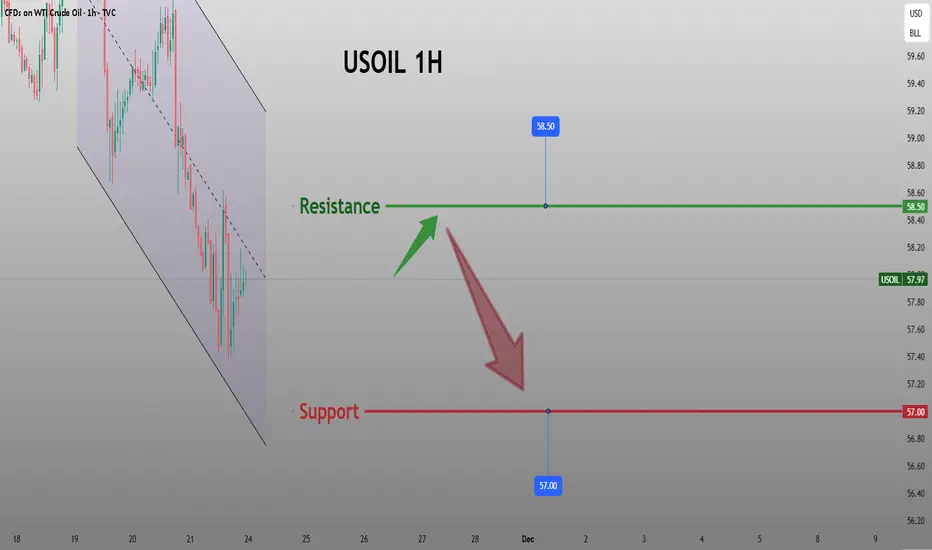
The situation of excess has become a definite trend, with weak supporting force
- OPEC + increased production, coupled with the conclusion of supply surplus, Securities Times e-Company: The OPEC report in November changed the global oil situation from healthy to surplus. Currently, the world's oil production exceeds demand by 500,000 barrels per day, while a month ago it was estimated to be a shortage of 400,000 barrels. Although OPEC + decided to suspend production increase in the first quarter of 2026, it will still increase production by 137,000 barrels per day in December, and the continuous rounds of production increase in the past have continuously accumulated market supply pressure. At the same time, the compensation for production cuts by some oil-producing countries can slightly offset the impact of production increase, but it is difficult to change the overall surplus situation.
- Non-OPEC oil-producing countries have high production: The U.S. crude oil production remains at a high level, with the production reaching 13.862 million barrels per day in the week of November 7th. Although it has slightly declined later, it still remains at a historical high level. EIA also raised the 2026 U.S. crude oil production by 200,000 barrels per day to 13.5 million barrels per day. Its continuous production increase further intensifies the expectation of global supply surplus.
Next week's crude oil strategy analysis
sell:58-58.5
tp:57.5-57
sl:59.5
- OPEC + increased production, coupled with the conclusion of supply surplus, Securities Times e-Company: The OPEC report in November changed the global oil situation from healthy to surplus. Currently, the world's oil production exceeds demand by 500,000 barrels per day, while a month ago it was estimated to be a shortage of 400,000 barrels. Although OPEC + decided to suspend production increase in the first quarter of 2026, it will still increase production by 137,000 barrels per day in December, and the continuous rounds of production increase in the past have continuously accumulated market supply pressure. At the same time, the compensation for production cuts by some oil-producing countries can slightly offset the impact of production increase, but it is difficult to change the overall surplus situation.
- Non-OPEC oil-producing countries have high production: The U.S. crude oil production remains at a high level, with the production reaching 13.862 million barrels per day in the week of November 7th. Although it has slightly declined later, it still remains at a historical high level. EIA also raised the 2026 U.S. crude oil production by 200,000 barrels per day to 13.5 million barrels per day. Its continuous production increase further intensifies the expectation of global supply surplus.
Next week's crude oil strategy analysis
sell:58-58.5
tp:57.5-57
sl:59.5
交易進行
Demand side: The end of the peak season combined with weak demand makes it difficult to sustain oil prices.The approaching off-season for seasonal demand: Currently, the peak season for crude oil demand has ended. High-frequency data shows that the total demand for refined oil products has shown only a moderate recovery, and it is about to enter a seasonal off-season of gradual decline. Although refineries have seen an increase in production rates due to heating preparations, it is difficult to reverse the overall weakness in the demand side.
Global economy dampens demand expectations: The ISM manufacturing index in the United States dropped month-on-month in October and has shrunk for eight consecutive months, reflecting a lackluster economic recovery. The global economy is facing significant challenges, and the weak economic situation will directly suppress crude oil demand in industries such as industry and transportation. This is also one of the core factors causing market concerns about crude oil demand.

免責聲明
這些資訊和出版物並非旨在提供,也不構成TradingView提供或認可的任何形式的財務、投資、交易或其他類型的建議或推薦。請閱讀使用條款以了解更多資訊。