
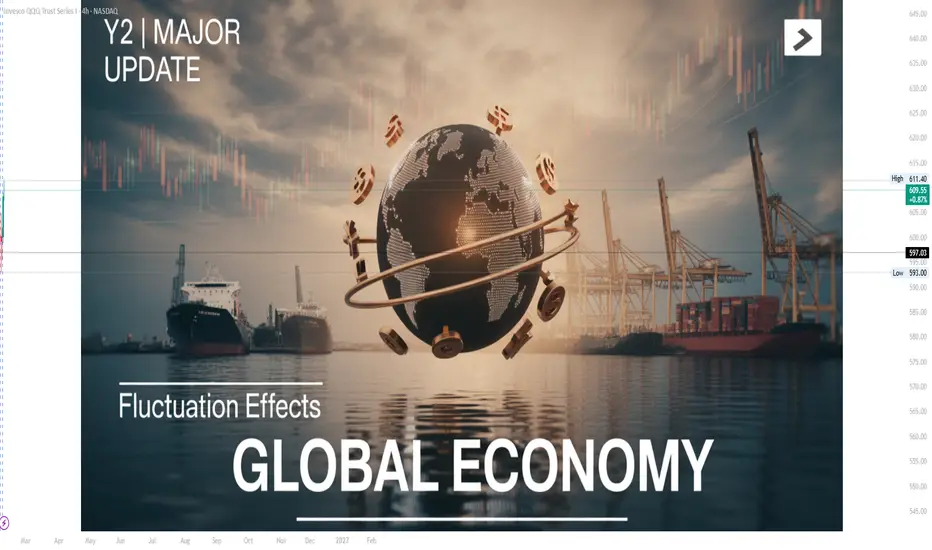
1. Impact on Economic Growth and Output
One of the most direct effects of global economic fluctuations is on overall economic growth. During global expansions, increased demand, investment, and trade boost production across countries. Firms expand capacity, governments collect higher tax revenues, and consumers enjoy rising incomes.
Conversely, during global downturns or recessions, growth slows or turns negative. Reduced consumer spending, declining investments, and falling exports cause output contractions. Since economies are interconnected through trade and finance, a slowdown in major economies like the United States, China, or the European Union can quickly drag down growth in emerging and developing countries.
Fluctuations also affect long-term growth potential. Prolonged downturns may lead to underinvestment in infrastructure, education, and technology, reducing future productivity and economic resilience.
2. Employment and Labor Markets
Global economic fluctuations significantly influence employment levels and labor market conditions. In periods of global growth, businesses hire more workers to meet rising demand. Wages may rise, job security improves, and informal employment often declines.
However, during global economic contractions, unemployment increases. Companies reduce costs through layoffs, hiring freezes, or wage cuts. Export-oriented sectors such as manufacturing, tourism, and logistics are particularly vulnerable. Developing economies often experience sharper job losses due to limited social safety nets and higher dependence on global demand.
Additionally, fluctuations can alter labor migration patterns. Economic downturns in host countries reduce opportunities for migrant workers, affecting remittances that many developing nations rely on for income stability.
3. Trade and Supply Chain Disruptions
Global economic fluctuations strongly affect international trade. During economic expansions, higher consumption and investment increase demand for imports and exports, strengthening global trade flows. Countries specializing in commodities, manufacturing, or services benefit from higher volumes and better prices.
In contrast, economic downturns reduce trade volumes as demand weakens. Protectionist measures may increase as governments attempt to shield domestic industries, further disrupting global trade. Supply chains, especially those spread across multiple countries, become vulnerable to demand shocks, currency volatility, and logistical bottlenecks.
Recent global events have shown how economic uncertainty can accelerate shifts toward supply chain diversification, near-shoring, and regionalization, reshaping global trade dynamics.
4. Financial Markets and Capital Flows
Financial markets are highly sensitive to global economic fluctuations. During periods of optimism and growth, capital flows freely across borders in search of higher returns. Equity markets rise, bond yields stabilize, and currencies of emerging markets often strengthen due to foreign investment inflows.
During periods of global uncertainty or recession, financial markets tend to become volatile. Investors shift toward safe-haven assets such as gold, U.S. Treasury bonds, or stable currencies. Capital often flows out of emerging markets, leading to currency depreciation, higher borrowing costs, and financial instability.
These fluctuations can trigger banking stress, liquidity shortages, and debt crises, particularly in countries with high external debt or weak financial systems.
5. Inflation, Deflation, and Price Stability
Global economic fluctuations also affect inflation dynamics. During strong global growth, increased demand for goods, services, and commodities can push prices higher, leading to inflationary pressures. Energy and food prices are especially sensitive to global demand cycles.
On the other hand, during economic slowdowns, weak demand may lead to deflation or disinflation. Falling prices can discourage spending and investment, further deepening economic contractions. Deflation is particularly dangerous as it increases the real value of debt and can trap economies in prolonged stagnation.
Central banks play a critical role in managing these effects through interest rate adjustments, liquidity measures, and monetary policy interventions.
6. Government Finances and Public Policy
Global economic fluctuations have major implications for government finances. During expansions, higher tax revenues and lower unemployment benefits improve fiscal balances. Governments have more room to invest in infrastructure, healthcare, and social programs.
During downturns, fiscal pressures intensify. Tax revenues decline while public spending on welfare, subsidies, and stimulus programs increases. This often leads to higher budget deficits and rising public debt.
Policymakers must balance short-term stabilization measures with long-term fiscal sustainability. Poorly managed responses can worsen economic instability, while timely and targeted policies can reduce the severity of downturns.
7. Effects on Developing and Emerging Economies
Developing and emerging economies are often more vulnerable to global economic fluctuations. Many depend heavily on commodity exports, foreign investment, and external financing. When global demand weakens, commodity prices fall, export revenues decline, and currencies depreciate.
These economies may also face reduced access to global capital during crises, forcing them to cut spending or seek external assistance. Social consequences such as poverty, inequality, and food insecurity tend to worsen during global downturns.
However, some emerging economies benefit during global recoveries by attracting investment, expanding exports, and integrating further into global value chains.
8. Social and Inequality Effects
Economic fluctuations have profound social consequences. Global downturns disproportionately affect low-income groups, informal workers, and small businesses. Job losses, reduced incomes, and rising living costs can increase inequality within and between countries.
Access to education, healthcare, and nutrition often deteriorates during economic crises, particularly in developing nations. Over time, repeated economic shocks can weaken social cohesion and trust in institutions.
In contrast, sustained global growth can improve living standards, reduce poverty, and expand opportunities—provided growth is inclusive and well-managed.
9. Geopolitical and Strategic Implications
Global economic fluctuations can reshape geopolitical dynamics. Economic stress may fuel political instability, nationalism, and trade disputes. Countries facing prolonged downturns may reassess alliances, economic models, and strategic priorities.
Economic power shifts during periods of growth or stagnation can alter global influence, leading to changes in leadership within international institutions and global governance structures.
Conclusion
Global economic fluctuations are inevitable, but their effects are far-reaching and multifaceted. They influence growth, employment, trade, financial stability, government finances, and social well-being across nations. In an interconnected world, no country is fully insulated from global economic shifts.
Effective policy coordination, diversified economies, resilient financial systems, and inclusive growth strategies are essential to managing these fluctuations. By understanding the effects of global economic cycles, nations and stakeholders can better prepare for risks, seize opportunities, and promote long-term economic stability in an ever-changing global landscape.
One of the most direct effects of global economic fluctuations is on overall economic growth. During global expansions, increased demand, investment, and trade boost production across countries. Firms expand capacity, governments collect higher tax revenues, and consumers enjoy rising incomes.
Conversely, during global downturns or recessions, growth slows or turns negative. Reduced consumer spending, declining investments, and falling exports cause output contractions. Since economies are interconnected through trade and finance, a slowdown in major economies like the United States, China, or the European Union can quickly drag down growth in emerging and developing countries.
Fluctuations also affect long-term growth potential. Prolonged downturns may lead to underinvestment in infrastructure, education, and technology, reducing future productivity and economic resilience.
2. Employment and Labor Markets
Global economic fluctuations significantly influence employment levels and labor market conditions. In periods of global growth, businesses hire more workers to meet rising demand. Wages may rise, job security improves, and informal employment often declines.
However, during global economic contractions, unemployment increases. Companies reduce costs through layoffs, hiring freezes, or wage cuts. Export-oriented sectors such as manufacturing, tourism, and logistics are particularly vulnerable. Developing economies often experience sharper job losses due to limited social safety nets and higher dependence on global demand.
Additionally, fluctuations can alter labor migration patterns. Economic downturns in host countries reduce opportunities for migrant workers, affecting remittances that many developing nations rely on for income stability.
3. Trade and Supply Chain Disruptions
Global economic fluctuations strongly affect international trade. During economic expansions, higher consumption and investment increase demand for imports and exports, strengthening global trade flows. Countries specializing in commodities, manufacturing, or services benefit from higher volumes and better prices.
In contrast, economic downturns reduce trade volumes as demand weakens. Protectionist measures may increase as governments attempt to shield domestic industries, further disrupting global trade. Supply chains, especially those spread across multiple countries, become vulnerable to demand shocks, currency volatility, and logistical bottlenecks.
Recent global events have shown how economic uncertainty can accelerate shifts toward supply chain diversification, near-shoring, and regionalization, reshaping global trade dynamics.
4. Financial Markets and Capital Flows
Financial markets are highly sensitive to global economic fluctuations. During periods of optimism and growth, capital flows freely across borders in search of higher returns. Equity markets rise, bond yields stabilize, and currencies of emerging markets often strengthen due to foreign investment inflows.
During periods of global uncertainty or recession, financial markets tend to become volatile. Investors shift toward safe-haven assets such as gold, U.S. Treasury bonds, or stable currencies. Capital often flows out of emerging markets, leading to currency depreciation, higher borrowing costs, and financial instability.
These fluctuations can trigger banking stress, liquidity shortages, and debt crises, particularly in countries with high external debt or weak financial systems.
5. Inflation, Deflation, and Price Stability
Global economic fluctuations also affect inflation dynamics. During strong global growth, increased demand for goods, services, and commodities can push prices higher, leading to inflationary pressures. Energy and food prices are especially sensitive to global demand cycles.
On the other hand, during economic slowdowns, weak demand may lead to deflation or disinflation. Falling prices can discourage spending and investment, further deepening economic contractions. Deflation is particularly dangerous as it increases the real value of debt and can trap economies in prolonged stagnation.
Central banks play a critical role in managing these effects through interest rate adjustments, liquidity measures, and monetary policy interventions.
6. Government Finances and Public Policy
Global economic fluctuations have major implications for government finances. During expansions, higher tax revenues and lower unemployment benefits improve fiscal balances. Governments have more room to invest in infrastructure, healthcare, and social programs.
During downturns, fiscal pressures intensify. Tax revenues decline while public spending on welfare, subsidies, and stimulus programs increases. This often leads to higher budget deficits and rising public debt.
Policymakers must balance short-term stabilization measures with long-term fiscal sustainability. Poorly managed responses can worsen economic instability, while timely and targeted policies can reduce the severity of downturns.
7. Effects on Developing and Emerging Economies
Developing and emerging economies are often more vulnerable to global economic fluctuations. Many depend heavily on commodity exports, foreign investment, and external financing. When global demand weakens, commodity prices fall, export revenues decline, and currencies depreciate.
These economies may also face reduced access to global capital during crises, forcing them to cut spending or seek external assistance. Social consequences such as poverty, inequality, and food insecurity tend to worsen during global downturns.
However, some emerging economies benefit during global recoveries by attracting investment, expanding exports, and integrating further into global value chains.
8. Social and Inequality Effects
Economic fluctuations have profound social consequences. Global downturns disproportionately affect low-income groups, informal workers, and small businesses. Job losses, reduced incomes, and rising living costs can increase inequality within and between countries.
Access to education, healthcare, and nutrition often deteriorates during economic crises, particularly in developing nations. Over time, repeated economic shocks can weaken social cohesion and trust in institutions.
In contrast, sustained global growth can improve living standards, reduce poverty, and expand opportunities—provided growth is inclusive and well-managed.
9. Geopolitical and Strategic Implications
Global economic fluctuations can reshape geopolitical dynamics. Economic stress may fuel political instability, nationalism, and trade disputes. Countries facing prolonged downturns may reassess alliances, economic models, and strategic priorities.
Economic power shifts during periods of growth or stagnation can alter global influence, leading to changes in leadership within international institutions and global governance structures.
Conclusion
Global economic fluctuations are inevitable, but their effects are far-reaching and multifaceted. They influence growth, employment, trade, financial stability, government finances, and social well-being across nations. In an interconnected world, no country is fully insulated from global economic shifts.
Effective policy coordination, diversified economies, resilient financial systems, and inclusive growth strategies are essential to managing these fluctuations. By understanding the effects of global economic cycles, nations and stakeholders can better prepare for risks, seize opportunities, and promote long-term economic stability in an ever-changing global landscape.

Hye Guys,Welcome to a professional trading journey built on precision, discipline, and smart money concepts.
📞 Phone: +91 93159 78955
💬 WhatsApp: wa.link/kdkejz
📩 Contact Mail: globalwolfstreet@gmail.com
📞 Phone: +91 93159 78955
💬 WhatsApp: wa.link/kdkejz
📩 Contact Mail: globalwolfstreet@gmail.com
Bài đăng liên quan
Thông báo miễn trừ trách nhiệm
Thông tin và các ấn phẩm này không nhằm mục đích, và không cấu thành, lời khuyên hoặc khuyến nghị về tài chính, đầu tư, giao dịch hay các loại khác do TradingView cung cấp hoặc xác nhận. Đọc thêm tại Điều khoản Sử dụng.
Hye Guys,Welcome to a professional trading journey built on precision, discipline, and smart money concepts.
📞 Phone: +91 93159 78955
💬 WhatsApp: wa.link/kdkejz
📩 Contact Mail: globalwolfstreet@gmail.com
📞 Phone: +91 93159 78955
💬 WhatsApp: wa.link/kdkejz
📩 Contact Mail: globalwolfstreet@gmail.com
Bài đăng liên quan
Thông báo miễn trừ trách nhiệm
Thông tin và các ấn phẩm này không nhằm mục đích, và không cấu thành, lời khuyên hoặc khuyến nghị về tài chính, đầu tư, giao dịch hay các loại khác do TradingView cung cấp hoặc xác nhận. Đọc thêm tại Điều khoản Sử dụng.