
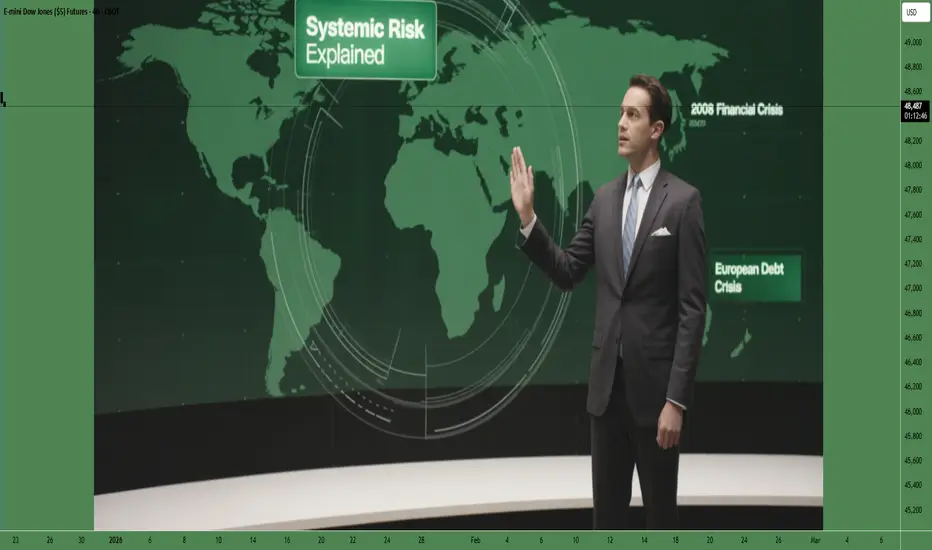
1. Introduction to Systematic Risk
Systematic risk, often referred to as market risk, represents the risk inherent to the entire market or a specific segment of the market. Unlike unsystematic risk, which is specific to a company or industry, systematic risk cannot be eliminated through diversification. It affects all securities and assets in a market simultaneously and is driven by broad economic, political, and social factors.
In the global trading context, systematic risk is particularly significant because financial markets are interconnected. Events in one country, such as economic slowdowns, political instability, or central bank policy shifts, can ripple across international markets, influencing stocks, bonds, currencies, and commodities worldwide.
2. Types of Systematic Risk
Systematic risk can be classified into several main categories:
2.1. Interest Rate Risk
Interest rate changes by central banks (like the Federal Reserve, European Central Bank, or Reserve Bank of India) can have a massive impact on financial markets.
Global Effect: Rising interest rates increase borrowing costs for corporations and governments, potentially slowing economic growth and affecting stock valuations worldwide.
Example: A US Federal Reserve rate hike often strengthens the US dollar and can cause capital outflows from emerging markets.
2.2. Inflation Risk
Inflation risk, or purchasing power risk, is the risk that rising prices erode the value of investments.
Global Effect: Inflation in major economies influences global trade and capital flows. For instance, higher inflation in the US can trigger interest rate hikes, impacting global equity and bond markets.
2.3. Economic/Business Cycle Risk
Economic slowdowns or recessions affect virtually all asset classes.
Global Effect: A slowdown in China can affect commodity-exporting countries; European debt crises may impact global banks and investors.
2.4. Political and Geopolitical Risk
Political instability, wars, trade sanctions, or elections in major economies can trigger global market volatility.
Global Effect: For example, trade wars between the US and China can disrupt global supply chains, affecting stock markets, commodities, and currencies worldwide.
2.5. Currency Risk (Exchange Rate Risk)
In global trading, currency fluctuations create systematic risk for multinational investors.
Example: A strong US dollar can negatively affect emerging market equities and commodities priced in dollars, while benefiting US-based exporters.
2.6. Market Sentiment Risk
Market sentiment or herd behavior can amplify systematic risk. Global investors’ fear or optimism can lead to synchronized buying or selling across markets.
Example: During the 2008 financial crisis, negative sentiment in the US mortgage market quickly spread to Europe and Asia, causing a global market collapse.
3. Measuring Systematic Risk
Systematic risk is often measured using Beta (β) in finance.
Beta Definition: Beta measures the sensitivity of a security or portfolio to overall market movements.
β = 1: The security moves in line with the market.
β > 1: The security is more volatile than the market.
β < 1: The security is less volatile than the market.
For global portfolios, beta helps investors understand how exposure to international markets affects risk. For example, a US-based investor with emerging market equities will have a higher beta due to the vulnerability of those markets to global economic shocks.
Other quantitative measures include Value at Risk (VaR), which estimates potential losses under normal market conditions, and stress testing, which evaluates the impact of extreme market scenarios.
4. Systematic Risk in Global Trading
4.1. Impact on Equity Markets
Global stock indices are highly sensitive to systematic risk. Factors such as economic data releases, central bank policies, and geopolitical events affect investor confidence globally.
Example: The US S&P 500 drop often triggers declines in Asian and European markets due to investor panic and cross-border capital flows.
4.2. Impact on Forex Markets
Foreign exchange markets react to global systematic risks, including interest rate differentials and geopolitical tensions.
Example: Political turmoil in Europe can lead investors to move funds into “safe-haven” currencies like the US dollar, Swiss franc, or Japanese yen.
4.3. Impact on Commodities
Commodity prices, such as oil, gold, and metals, are influenced by global demand-supply factors and geopolitical stability. Systematic risks like global recessions or oil-producing country conflicts can affect prices worldwide.
4.4. Impact on Bonds
Government bond markets reflect systematic risk through yields and spreads. Rising risk aversion increases demand for safe-haven bonds (like US Treasuries), lowering yields, while risky assets may face selling pressure.
5. Strategies to Manage Systematic Risk
Since systematic risk cannot be eliminated through diversification alone, investors adopt alternative risk management strategies:
5.1. Hedging
Using derivatives such as futures, options, and swaps to hedge against interest rate, currency, or commodity price fluctuations.
5.2. Asset Allocation
Global Diversification: Investing in a mix of countries, sectors, and asset classes to reduce exposure to region-specific events while acknowledging systematic risk exists.
Risk-adjusted allocation: Adjusting weights of assets based on beta or historical volatility.
5.3. Safe-Haven Assets
Allocating funds to assets like gold, US Treasuries, or the Swiss franc during periods of high market uncertainty.
5.4. Dynamic Portfolio Management
Regularly monitoring global economic indicators, central bank policies, and geopolitical developments to adjust positions proactively.
6. Real-World Examples of Systematic Risk
2008 Global Financial Crisis: Triggered by US subprime mortgage collapse, it spread worldwide, affecting equities, bonds, commodities, and currencies.
COVID-19 Pandemic (2020): Global lockdowns caused simultaneous declines across all asset classes, highlighting the interconnectedness of systematic risk.
Russia-Ukraine War (2022): Triggered spikes in oil, gas, and wheat prices globally, showing geopolitical events as major sources of systematic risk.
7. Conclusion
Systematic risk is an inevitable part of global trading, influencing all financial markets simultaneously. Unlike company-specific risks, it cannot be eliminated through diversification alone but can be managed through strategic hedging, global asset allocation, and risk-adjusted portfolio management. Understanding systematic risk helps investors anticipate market movements, protect capital, and make informed decisions in an increasingly interconnected global economy.
In summary, global traders and investors must remain vigilant to macroeconomic indicators, geopolitical developments, and market sentiment because systematic risk shapes the ups and downs of global markets, regardless of individual company performance.

منشورات ذات صلة
إخلاء المسؤولية
لا يُقصد بالمعلومات والمنشورات أن تكون، أو تشكل، أي نصيحة مالية أو استثمارية أو تجارية أو أنواع أخرى من النصائح أو التوصيات المقدمة أو المعتمدة من TradingView. اقرأ المزيد في شروط الاستخدام.
منشورات ذات صلة
إخلاء المسؤولية
لا يُقصد بالمعلومات والمنشورات أن تكون، أو تشكل، أي نصيحة مالية أو استثمارية أو تجارية أو أنواع أخرى من النصائح أو التوصيات المقدمة أو المعتمدة من TradingView. اقرأ المزيد في شروط الاستخدام.