Gold as a Safe Haven Asset: Timeless Protection in WorldUnderstanding the Concept of a Safe Haven
A safe haven asset is one that is expected to retain or increase its value during periods of market turmoil. When investors face uncertainty—such as economic recessions, currency devaluation, stock market crashes, wars, or systemic financial crises—they seek assets that provide stability and capital preservation. Gold fits this definition exceptionally well because it behaves differently from traditional financial assets like equities, bonds, or fiat cu
World-economic-forum
How to Maximize Your ReturnsA Practical Guide to Smarter Investing
Maximizing returns is the core objective of every investor, trader, and business decision-maker. Whether you are investing in stocks, mutual funds, commodities, real estate, or even personal skills, the principle remains the same: achieving the highest possible gain for the level of risk you take. However, maximizing returns does not mean chasing quick profits or taking reckless risks. It requires discipline, knowledge, planning, and emotional control. Thi
International Payment GatewaysThe Backbone of Global Digital Transactions:
In today’s interconnected world, businesses and individuals operate beyond geographical boundaries. Whether it is an e-commerce company selling products overseas, a freelancer receiving payments from international clients, or a multinational corporation managing cross-border transactions, international payment gateways play a critical role. These gateways act as secure bridges that enable money to move smoothly between buyers and sellers across diffe
Types of Trading in the Global Financial Markets1. Equity (Stock) Trading
Equity trading involves buying and selling shares of publicly listed companies on stock exchanges such as the New York Stock Exchange (NYSE), Nasdaq, London Stock Exchange (LSE), Tokyo Stock Exchange (TSE), and National Stock Exchange (NSE) of India. Traders aim to profit from price fluctuations driven by company performance, economic data, earnings reports, and market sentiment. Equity trading can be short-term or long-term and is one of the most popular forms of trad
Shipping, Freight, and Logistics TradingThe Backbone of Global Commerce
Shipping, freight, and logistics trading form the invisible engine that powers global trade. Every product we use—raw materials, manufactured goods, food, fuel, or technology—relies on a complex network of transportation, storage, and coordination before reaching its final consumer. In today’s interconnected world, logistics trading is not just about moving goods from one place to another; it is a strategic, data-driven, and highly competitive industry that direc
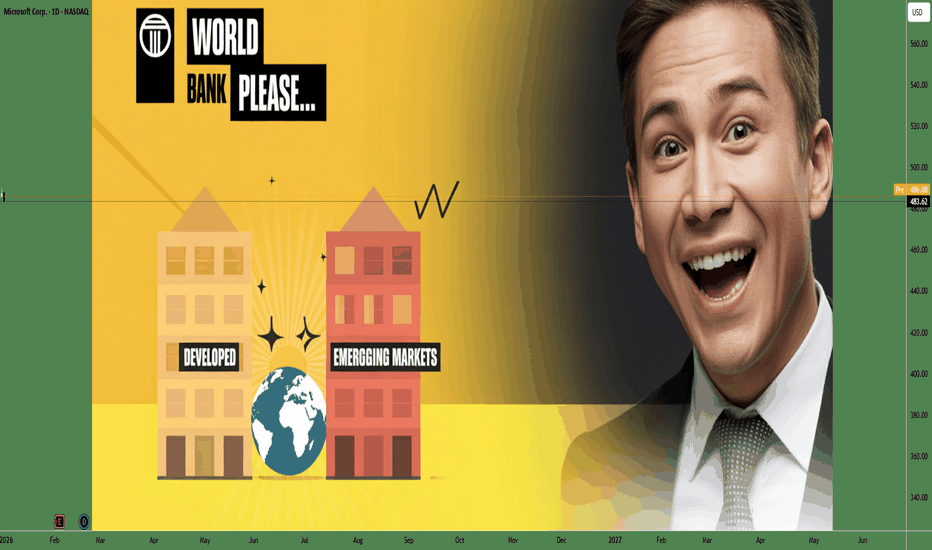
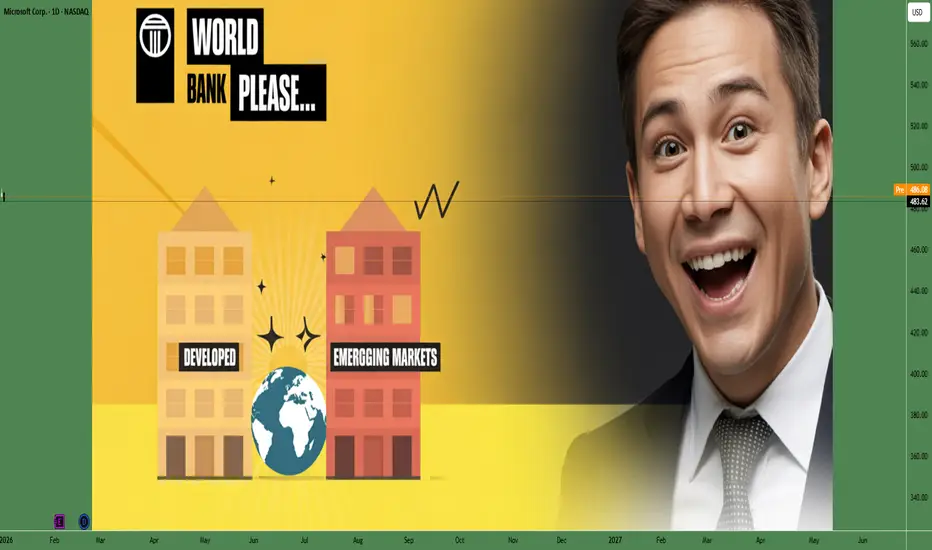
World Bank Classification: Developed Market and Emerging MarketThe World Bank plays a central role in classifying countries based on their level of economic development. This classification helps policymakers, investors, researchers, and international institutions understand global economic disparities, design development strategies, allocate financial assistance, and assess growth potential. Broadly, countries are often discussed under two major categories—developed markets and emerging markets—though the World Bank itself uses income-based classifications
The Journey of the World EconomyFrom Barter Systems to a Digital Global Marketplace
The journey of the world economy is a long and complex story shaped by human innovation, conflict, cooperation, and adaptation. From primitive barter systems to today’s highly interconnected digital and financial networks, the global economy has continuously evolved in response to changes in technology, population, governance, and resources. Understanding this journey helps us see how past economic structures influence present systems and wher
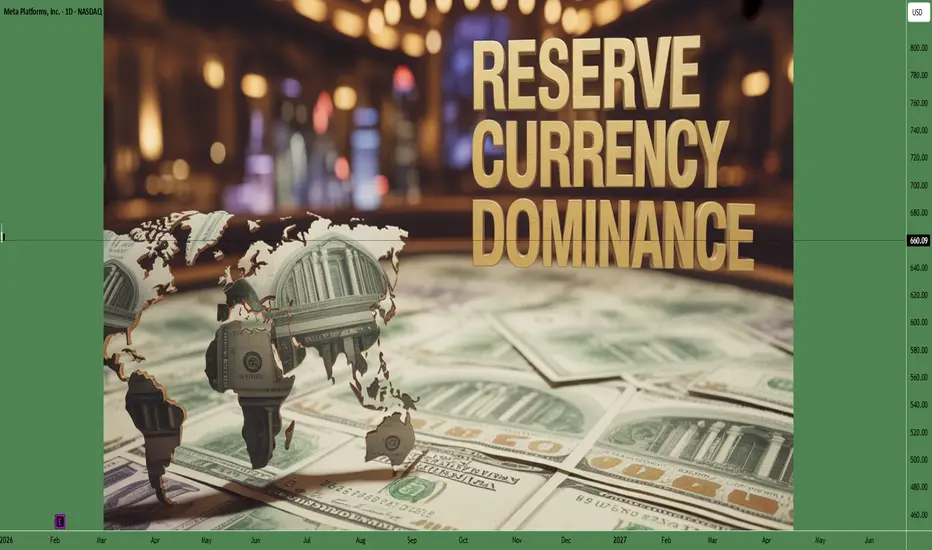
Reserve Currency DominancePower, Stability, and the Architecture of Global Finance
Reserve currency dominance refers to the privileged position enjoyed by a national currency that is widely held by central banks and governments as part of their foreign exchange reserves and used extensively in international trade, finance, and investment. Throughout modern economic history, reserve currencies have played a decisive role in shaping global financial systems, influencing geopolitical power, and determining the flow of capit
Commodity Super CycleA commodity super cycle refers to a prolonged period—often lasting a decade or more—during which commodity prices rise well above their long-term average due to sustained demand growth, structural supply constraints, and macroeconomic shifts. Unlike short-term commodity booms driven by temporary shocks, a super cycle is deeply rooted in transformational changes in the global economy. Understanding commodity super cycles is crucial for investors, policymakers, businesses, and economies that are h
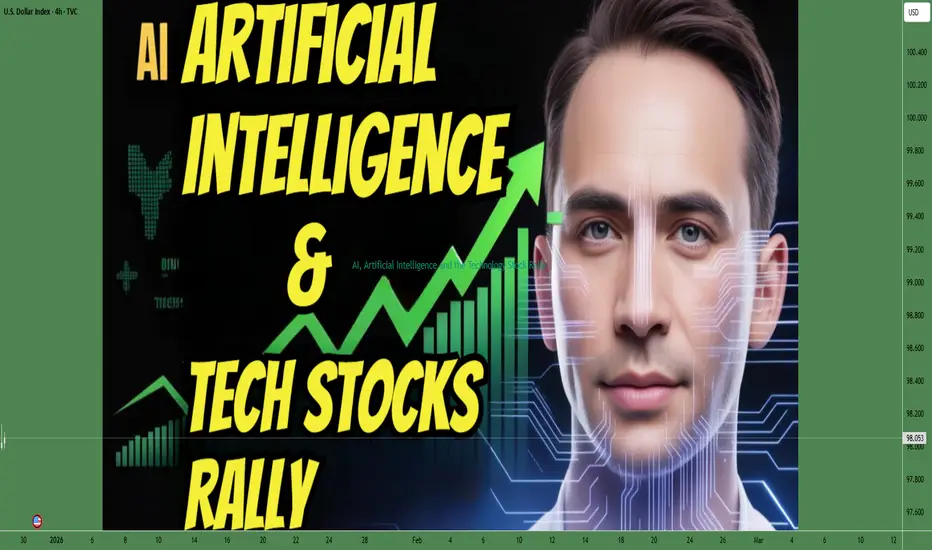
AI, Artificial Intelligence and the Technology Stock RallyThe rapid rise of artificial intelligence (AI) has become one of the most powerful forces shaping the modern global economy, financial markets, and especially the performance of technology stocks. Over the last few years, AI has moved from being a futuristic concept discussed mainly in research labs to a practical, revenue-generating technology embedded across industries. This transformation has triggered a strong rally in technology stocks, as investors increasingly view AI as a long-term growt
Investing in Future TechnologyBuilding Wealth in the Age of Innovation
Investing in future technology is one of the most powerful ways to participate in long-term economic growth. As the world moves rapidly toward digitalization, automation, and sustainability, technology-driven sectors are reshaping industries, consumer behavior, and global markets. From artificial intelligence and biotechnology to renewable energy and space exploration, future technologies offer investors the potential for high growth, diversification, an
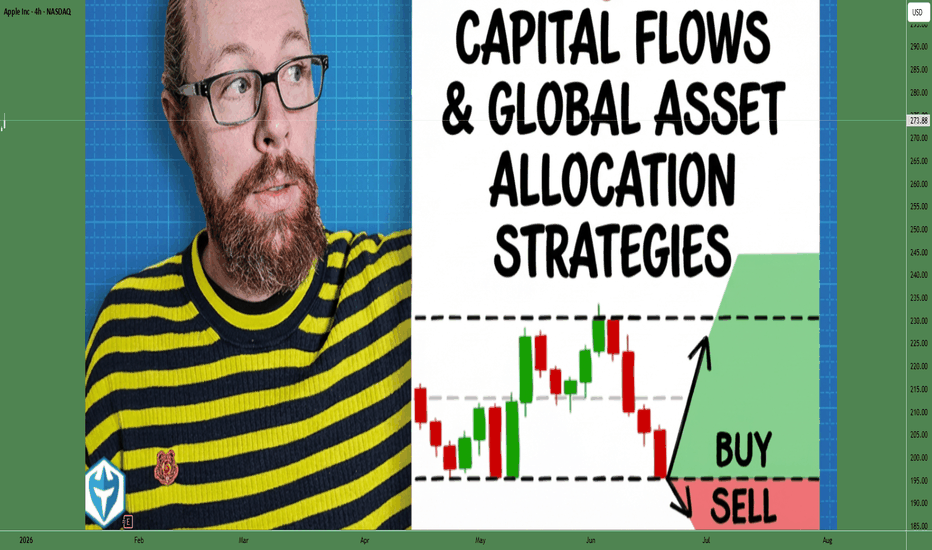
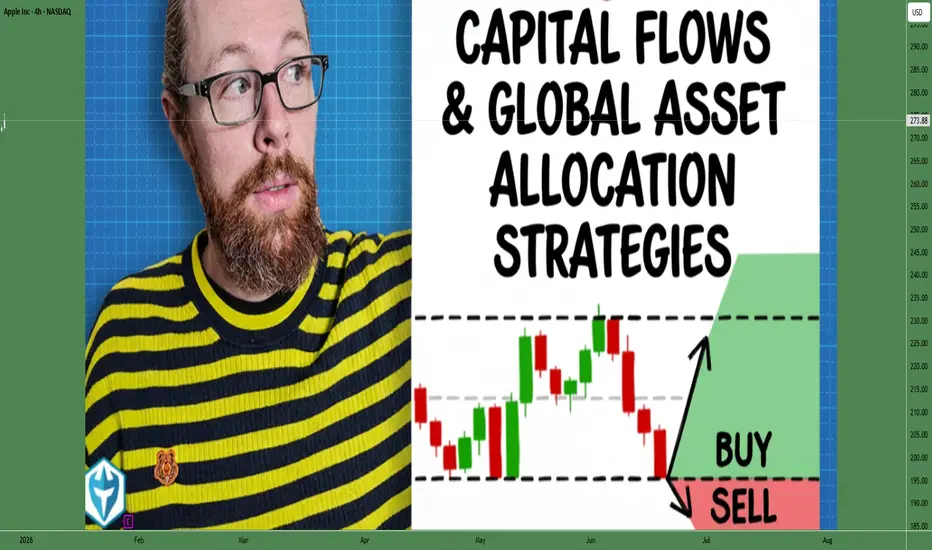
Capital Flows & Global Asset Allocation StrategiesUnderstanding Capital Flows
Capital flows refer to the movement of money for investment, trade, or business production between countries. These flows can be broadly classified into foreign direct investment (FDI), portfolio investment, and other flows such as bank lending and trade credit.
FDI involves long-term investments in productive assets like factories, infrastructure, or businesses. Portfolio flows, on the other hand, include investments in equities, bonds, and other financial instrume
Sustainable/ESG Investing Trends in Global MarketsSustainable investing—often framed under the umbrella of Environmental, Social, and Governance (ESG) investing—has rapidly transitioned from a niche, ethical overlay on traditional finance to a central driver of capital allocation in global financial markets. As investors increasingly seek to balance financial returns with positive environmental and societal outcomes, ESG considerations profoundly shape investment strategies, corporate behaviors, and regulatory landscapes around the world. This
Emerging Markets and Capital FlowsDynamics, Drivers, Risks, and Global Impact
Introduction
Emerging markets (EMs) play a critical role in the global economy, contributing a growing share of world GDP, trade, and financial market activity. Countries such as India, China, Brazil, Indonesia, South Africa, and Mexico are no longer peripheral economies; they are central to global growth and investment strategies. One of the most important forces shaping emerging markets is capital flows—the movement of money across borders for inves
Transforming the Future of Financial MarketsTrading with Blockchain
Introduction
Trading with blockchain represents a fundamental shift in how financial markets operate. Traditionally, trading relied on centralized exchanges, intermediaries, clearing houses, and manual reconciliation processes. Blockchain technology introduces a decentralized, transparent, and immutable ledger system that enables peer-to-peer trading without the need for excessive intermediaries. From cryptocurrencies and tokenized assets to smart contracts and decentral
Market ShiftingHow Global Financial Markets Are Entering a New Phase of Transformation
Financial markets across the world are undergoing a profound shift. The forces that once defined market behavior—cheap liquidity, synchronized global growth, predictable central bank support, and deep globalization—are no longer dominant. Instead, markets are being reshaped by structural changes in geopolitics, technology, monetary policy, demographics, and investor behavior. This “market shifting” phase is not a temporary
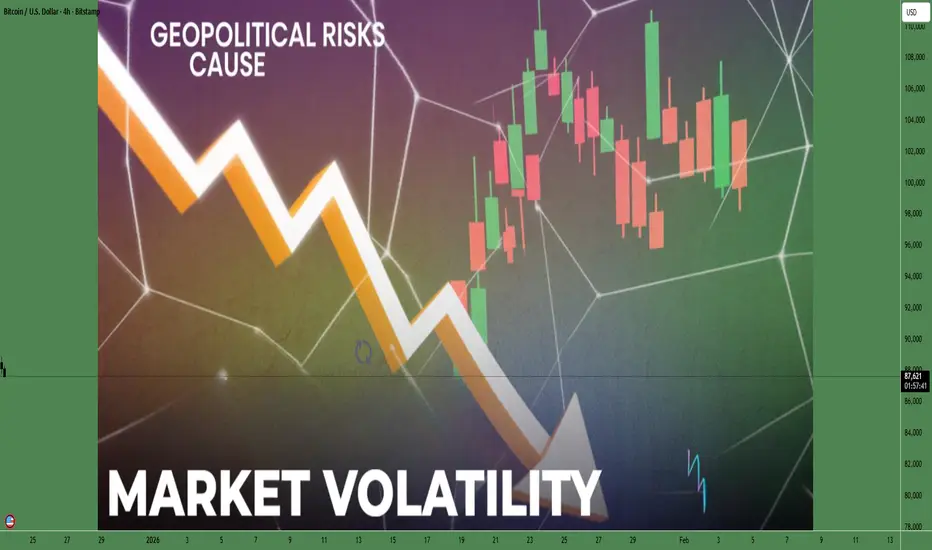
Geopolitical Risk and Its Role in Causing Market VolatilityGeopolitical risk refers to the uncertainty and instability arising from political events, international conflicts, diplomatic tensions, trade disputes, sanctions, wars, terrorism, and changes in government policies across countries. In an increasingly interconnected global economy, geopolitical developments in one region can rapidly spill over into global financial markets. As a result, geopolitical risk has become one of the most powerful and unpredictable drivers of market volatility, affecti
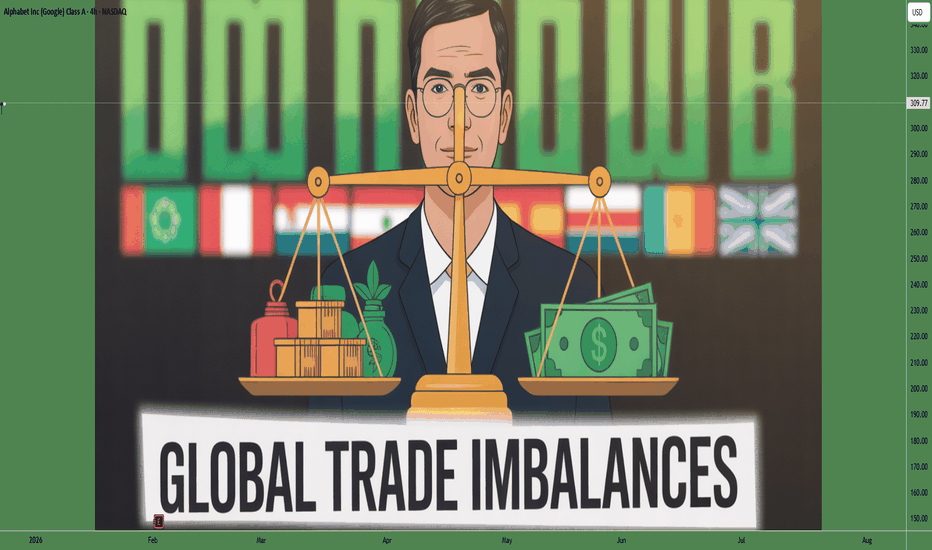
Global Trade Imbalance: Causes and ConsequencesGlobal trade imbalance refers to a persistent difference between a country’s exports and imports when trading with the rest of the world. When a nation consistently exports more than it imports, it runs a trade surplus; when it imports more than it exports, it runs a trade deficit. While short-term imbalances are a normal part of international trade, long-lasting and large imbalances can shape global economic stability, influence currency movements, affect employment, and even create geopolitica
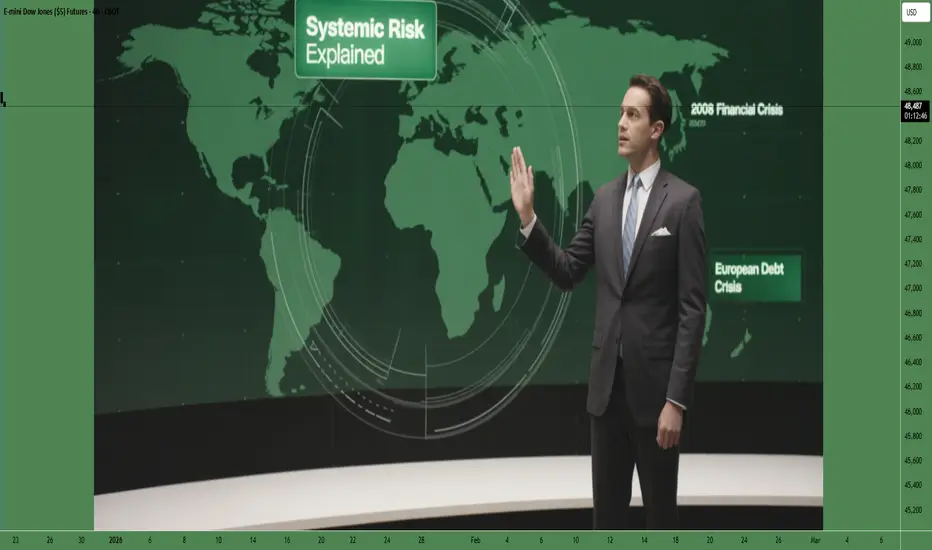
Systematic Risk in the Global Trading Market1. Introduction to Systematic Risk
Systematic risk, often referred to as market risk, represents the risk inherent to the entire market or a specific segment of the market. Unlike unsystematic risk, which is specific to a company or industry, systematic risk cannot be eliminated through diversification. It affects all securities and assets in a market simultaneously and is driven by broad economic, political, and social factors.
In the global trading context, systematic risk is particularly si
Global Market InsightsUnderstanding Trends, Risks, and Opportunities in a Connected World
Global markets today are deeply interconnected, dynamic, and influenced by a complex mix of economic, political, technological, and psychological factors. Understanding global market insights is no longer optional for investors, traders, policymakers, or businesses—it is essential. Whether one is investing in equities, commodities, currencies, bonds, or alternative assets, global developments shape price movements and long-term
Master Correlation StrategiesTurning Market Relationships into Consistent Trading Edges
Correlation strategies are among the most powerful yet misunderstood tools in trading and investing. While many market participants focus only on price direction, correlation-based traders focus on relationships—how assets move relative to one another. When mastered, correlation strategies help traders reduce risk, improve timing, identify hidden opportunities, and trade with greater confidence across equities, commodities, currencies,
Quantitative Algorithmic Trading in the Global MarketData-Driven Strategies for Modern Finance
Quantitative algorithmic trading, often called quant trading, represents the convergence of finance, mathematics, statistics, and computer science. In the global market—spanning equities, commodities, forex, fixed income, and derivatives—quantitative trading has transformed how capital is deployed, risks are managed, and opportunities are identified. Instead of relying on intuition or discretionary decision-making, quant trading uses data-driven models
Global Soft Commodity Trading: Dynamics and StrategiesUnderstanding the Global Soft Commodity Market
Soft commodity markets operate on a global scale, with production concentrated in specific regions and consumption spread worldwide. For example, coffee production is dominated by Brazil, Vietnam, and Colombia, while cocoa largely comes from West African nations such as Ivory Coast and Ghana. Sugar production is led by Brazil and India, whereas wheat and corn are heavily produced in the United States, Russia, and parts of Europe.
This geographical
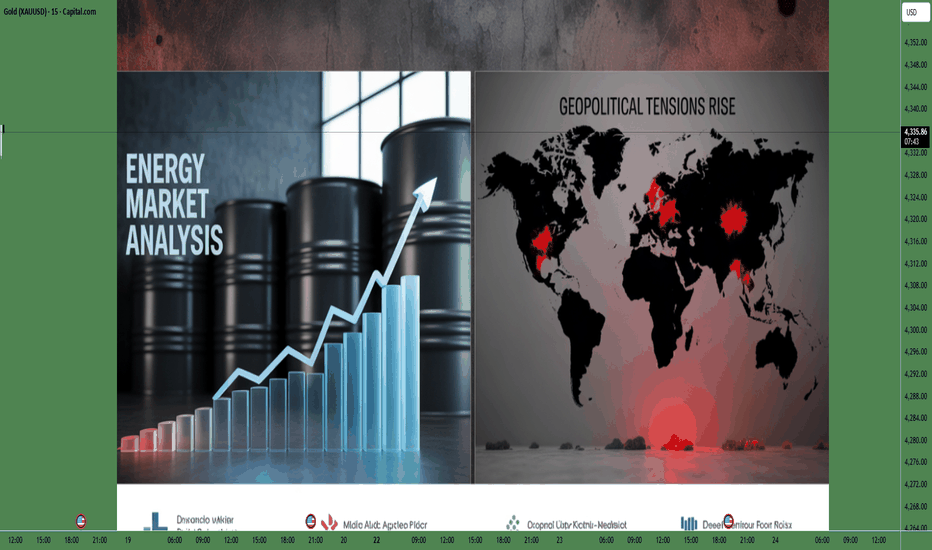
Energy Market Dynamics Amid Rising Geopolitical TensionsThe Strategic Importance of Energy in Global Politics
Energy resources are not merely commodities; they are strategic assets. Countries that control major reserves of oil, natural gas, or critical energy infrastructure often wield significant geopolitical influence. Energy-exporting nations use supply control as a diplomatic and economic tool, while energy-importing countries focus on securing stable and diversified supply chains. As a result, disruptions caused by wars, sanctions, or diplomati