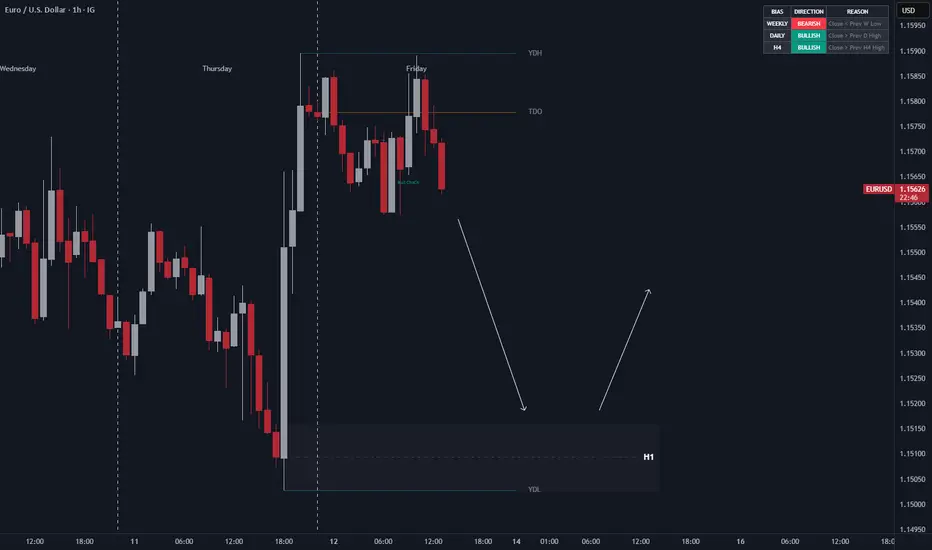
Markets Do Not Reward UrgencyUrgency is one of the most common emotional drivers in trading, and it is also one of the most damaging.
It appears in several forms. The fear of missing out, the need to recover losses quickly, or the desire to capitalize on perceived opportunity. In each case, the trader feels pressure to act immediately.
The market does not operate on that timeline.
Opportunities develop through a process. Liquidity builds, structure forms, and participation shifts before a move occurs. Acting before this process is complete often results in entering trades that lack the necessary conditions for success.
Urgency disrupts this process.
Instead of waiting for alignment, the trader forces decisions based on incomplete information. Trades are taken in the middle of ranges, before confirmation appears, or during environments that do not support the strategy.
This leads to a cycle.
Early entries fail due to lack of structure. Losses create frustration. Frustration increases urgency. The next trade is taken even faster, often with less clarity.
Breaking this cycle requires a shift in perspective.
The goal is not to participate in every move. It is to participate in the moves that align with a defined framework. This requires patience, but more importantly, it requires trust in the process.
Markets provide continuous movement, but they do not provide continuous opportunity.
Urgency creates the illusion that something is being missed.
In reality, what is being missed is usually the preparation required to act effectively.
When urgency is removed, execution becomes more selective. Trades are taken based on conditions rather than emotion. Over time, this leads to fewer trades but higher-quality outcomes.
The market does not reward speed of action.
It rewards timing and positioning.
Urgency becomes dangerous because it compresses decision-making. Instead of allowing the market to reveal information gradually, the trader begins anticipating outcomes emotionally. A candle starts moving aggressively, momentum becomes visible, and the feeling of needing to participate immediately begins taking control. In those moments, the trade no longer comes from structure or preparation. It comes from emotional pressure created by movement itself.
This is why urgency often feels convincing in real time.
The market appears active, opportunity seems immediate, and hesitation feels costly. Traders begin believing that if they do not act instantly, the move will disappear without them. But this mindset usually ignores the most important part of execution: whether the conditions supporting the trade are actually present. A fast-moving market does not automatically create a high-quality opportunity. In many cases, urgency simply causes traders to enter after expansion already occurred, far away from meaningful levels where risk can still be controlled efficiently.
The emotional pressure behind urgency also distorts perception. During calm conditions, traders often understand their framework clearly. They know the importance of location, confirmation, liquidity interaction, and risk management. But once the market begins moving aggressively, that clarity disappears quickly. The mind shifts from process to participation. The priority stops being quality of execution and becomes fear of being left behind.
This is how emotional chasing develops.
A move begins without the trader. Momentum expands, social sentiment increases, and price starts looking increasingly obvious. Instead of waiting for structure, the trader enters based on visibility. At that point, the trade often carries poor asymmetry because invalidation is distant while much of the move has already developed. Even if the direction remains correct, the positioning becomes weak.
Urgency is especially destructive after losses.
When traders experience drawdown, they often feel pressure to recover quickly. Patience begins feeling emotionally uncomfortable because inactivity appears unproductive. The trader starts searching for trades instead of waiting for them. Marginal setups suddenly appear acceptable, confirmation standards weaken, and participation increases despite conditions remaining unclear.
This creates a destructive feedback loop.
Losses increase emotional pressure.
Emotional pressure increases urgency.
Urgency reduces selectivity.
Reduced selectivity creates lower-quality trades.
Lower-quality trades create more losses.
Over time, the problem stops being strategy and becomes emotional pacing.
The market cannot be forced into producing opportunity simply because the trader wants action. Liquidity still needs to build. Structure still needs to form. Participation still needs to align. These processes take time, and traders who interrupt them through emotional urgency often enter before the market has actually revealed intent.
Professional traders understand this difference clearly.
They do not treat every movement as opportunity because they know most movement is structurally meaningless. Markets spend large amounts of time rotating, consolidating, or transitioning between phases. During these periods, direction becomes unstable and probability decreases. The inexperienced trader interprets movement as a signal to act. The experienced trader interprets it as information to evaluate.
This is why patience in trading is not passive.
It is analytical.
Waiting does not mean doing nothing. It means observing whether conditions are actually aligning. Is price approaching a meaningful level? Is liquidity being taken? Is structure beginning to shift? Is participation supporting continuation? These are the questions that matter. Until those conditions exist, there may simply be no reason to participate regardless of how active the market appears.
Removing urgency also changes the emotional experience of missed moves.
Most traders interpret missed opportunities emotionally because they believe every move should have been captured. In reality, no trader participates in every opportunity consistently. Even strong traders miss trades regularly. The difference is that they do not allow missed movement to disrupt future execution. They understand that protecting process matters more than reacting emotionally to one move that occurred without them.
This creates emotional stability.
A trader operating without urgency understands that opportunities are recurring, not singular. Markets continuously cycle through accumulation, expansion, distribution, and rotation. Another setup will always develop eventually. This mindset removes the emotional pressure to force participation because the trader no longer views each move as a once-in-a-lifetime event.
Over time, execution becomes significantly cleaner.
Trades are no longer taken because candles are moving quickly or because momentum feels exciting. They are taken because structure, liquidity, confirmation, and positioning align within a predefined framework. Participation becomes intentional rather than reactive.
This naturally reduces trade frequency, but it improves trade quality dramatically.
The trader stops confusing action with productivity.
They stop interpreting movement as opportunity automatically.
They stop chasing emotional certainty after expansion already occurred.
Instead, they begin operating with patience and structure.
That is where consistency begins.
Because the market does not reward the trader who reacts the fastest emotionally.
It rewards the trader who can remain patient long enough to participate only when conditions truly justify the risk. The Point Where Trades Quietly BreakMost trades do not fail at the stop loss. They fail earlier, at a point that is rarely acknowledged. That point is where the original idea stops being supported, even if price has not yet reached invalidation. This is one of the more subtle aspects of trading, and it is where many traders lose control without realizing it.
A trade is built on a narrative. That narrative includes structure, momentum, and participation. When those elements align, the trade has a reason to exist. The market behaves in a way that supports the thesis behind the position, and each movement continues to reinforce the logic of the trade. But when those elements begin to weaken, the trade becomes fragile. The problem is that many traders reduce everything to price alone. As long as price has not hit the stop, the trade is considered valid. In reality, the market provides information long before invalidation is reached. Momentum can slow, structure can weaken, and participation can shift in ways that suggest the original conditions are no longer present.
This does not always mean the trade must be closed immediately, but it does mean the confidence behind the trade should begin to change. A strong trade typically behaves with clarity. If a long position is taken after a structural shift, higher lows should continue forming and price should progress toward the intended objective with reasonable efficiency. Pullbacks should remain controlled, and buyers should continue defending key areas. But if price begins to overlap repeatedly, struggles to extend higher, or consistently rejects important levels, then something within the market dynamic is changing. The trade is no longer behaving as expected, and that change matters even if the stop loss remains untouched.
Ignoring this shift creates one of the most common patterns among struggling traders. Positions are held not because the original thesis is still supported, but because traders become emotionally attached to the possibility that price may eventually move in their favor. Instead of reassessing the conditions objectively, they focus only on whether the stop has been reached. By the time invalidation finally occurs, the loss feels sudden and frustrating, as though the market changed direction without warning. In reality, the deterioration began much earlier. The market had already started communicating weakness through slower momentum, unstable structure, and reduced follow-through, but those signals were ignored because they did not yet produce a complete reversal.
Recognizing this process improves trade management significantly because it changes the trader from a passive participant into an active observer of behavior. Exposure can be reduced, conviction can be adjusted, and partial profits can be protected before the trade fully collapses. This does not mean reacting emotionally to every small fluctuation or exiting positions at the first sign of hesitation. Markets naturally retrace, consolidate, and rotate during healthy trends. The objective is not to avoid uncertainty completely. The objective is to recognize the difference between normal fluctuation and meaningful deterioration in the quality of the trade.
Strong trades usually maintain efficiency. They continue building structure, they respect important areas, and they show consistent participation in the intended direction. Weak trades begin requiring more hope than evidence. The market still appears close to working, but each movement feels less convincing. Continuation becomes difficult, reactions become inconsistent, and progress slows despite repeated attempts to move higher or lower. This is often where emotional attachment becomes dangerous because traders stop evaluating the market objectively and begin defending their position psychologically. Every small move in favor of the trade becomes proof that the thesis is still alive, while warning signs are minimized or ignored.
The market communicates continuously through behavior. Structure, momentum, and participation are constantly revealing information about whether the original idea is strengthening or weakening. Traders who focus only on the final outcome miss the gradual changes that occur before that outcome arrives. They experience losses as isolated events instead of understanding them as processes that developed over time. But markets rarely fail instantly. More often, they deteriorate step by step. Momentum weakens, structure becomes unstable, participation fades, and eventually the move collapses completely.
Learning to recognize this transition changes the way trades are managed. Instead of waiting passively to be proven right or wrong, the trader begins interpreting the quality of the market in real time. Execution becomes less about prediction and more about observation. The focus shifts away from simply asking whether price has hit the stop and toward understanding whether the original conditions behind the trade still exist. That perspective creates adaptability without emotional decision-making, because adjustments are based on changing market behavior rather than fear or hope.
The best traders understand that invalidation is not the only information that matters. Long before the stop is reached, the market is already revealing whether the trade remains healthy or whether the original narrative is beginning to fail. Trades rarely collapse without warning. In most cases, they weaken first, and the ability to recognize that weakness early is what separates disciplined execution from passive hope. The Trade Exists Before the EntryThe difference between amateur execution and professional execution is often invisible from the outside. Both traders may take the same direction, use the same chart, and even enter at similar prices, yet the internal process behind the trade is completely different. One trader reacts emotionally to movement while the other responds to structure. This distinction changes the entire trading experience because reactive traders experience the market candle by candle. Every movement creates a new emotional response since there is no framework anchoring interpretation. A bullish candle creates confidence, a pullback creates fear, and consolidation creates doubt. The trade constantly changes in their mind because the original idea was never fully defined before exposure began.
Prepared traders experience the market differently because they understand that once the thesis is built, the role of the trader changes from decision-maker to observer. The market now only needs to answer one question: is the original idea still valid? That shift dramatically reduces emotional interference because execution is no longer dependent on moment-to-moment feelings. This is why professional trading often appears calm from the outside. The calmness does not come from certainty. It comes from preparation. When invalidation is clear, there is no reason to negotiate with losses. When targets are clear, there is less temptation to exit emotionally. When context is clear, temporary volatility stops feeling threatening because the trader already accepted uncertainty before entering the position.
Most traders try to find confidence during the trade. Experienced traders create confidence before the trade even begins. That confidence is process-based rather than emotional. It comes from understanding exactly why the position exists, where the trade becomes wrong, and what conditions must remain present for continuation. Without that structure, traders become extremely sensitive to short-term movement. A small retracement feels dangerous, a strong candle feels convincing, and a temporary pause feels like weakness. This creates constant emotional fluctuation because there is no hierarchy separating important information from noise. The market then becomes psychologically exhausting, not because trading itself is impossible, but because the trader is attempting to solve uncertainty while already exposed to risk.
Preparation changes this dynamic entirely. When the thesis already exists, the market no longer needs to be interpreted emotionally. It only needs to be observed objectively. Did price reject the level as expected? Did acceptance appear beyond the boundary? Did momentum continue after liquidity was taken? Did structure remain intact? These questions are far more useful than emotional reactions to individual candles because they keep the trader focused on the larger narrative rather than temporary fluctuations. This perspective also improves patience naturally. Impatient traders often feel pressure because they are searching for action instead of waiting for alignment. Every move begins to look tradable because there is no predefined standard filtering opportunity from noise.
Prepared traders become selective almost automatically because they understand that most movement is not opportunity. Most movement is simply price rotating between areas of liquidity without clear intent. Real opportunities usually appear only when several elements align simultaneously: clear higher timeframe context, meaningful location, liquidity interaction, confirmation, defined invalidation, and a logical target. Without this alignment, the market may still move, but the probability behind the trade becomes weaker. This is why fewer trades often produce better performance. The goal is not constant participation. The goal is efficient participation. Professional traders spend far more time waiting than executing because they understand that forcing trades in unclear conditions damages consistency far more than missing occasional opportunities.
This perspective also changes how traders interpret losses. Without preparation, losses feel personal because the trade was emotionally connected to hope or prediction. The trader feels surprised by the outcome because the decision lacked structure from the beginning. With preparation, losses become informational. If invalidation is reached, the market simply proved the thesis incorrect. There is no need for emotional negotiation because the condition for failure was already accepted before entry occurred. This creates emotional stability across both wins and losses. Wins no longer create overconfidence because they are understood as probabilities playing out within a structured framework. Losses no longer create panic because they were already accounted for as part of the process.
Over time, this mindset transforms the entire relationship with trading. The market stops feeling chaotic because every trade exists within a larger structure of context, liquidity, confirmation, and risk management. Execution becomes cleaner because fewer decisions are made impulsively. Stress decreases because uncertainty is handled before exposure begins. Patience improves because the trader knows exactly what conditions must exist before participation makes sense. This is the hidden advantage of preparation. It is not only about improving entries. It is about improving clarity, and clarity is what allows traders to operate consistently under uncertainty.
The market will never become perfectly predictable and no strategy removes uncertainty completely. But preparation changes how uncertainty is experienced. Unprepared traders experience uncertainty emotionally because every movement feels personal and every fluctuation appears meaningful. Prepared traders experience uncertainty structurally because they understand that not every candle matters equally. They know what conditions support the trade, what conditions weaken it, and what conditions invalidate it completely. That difference is what separates reactive trading from professional execution, because long-term consistency is not built from reacting faster than the market. It is built from understanding the market clearly before the trade ever begins.
 Education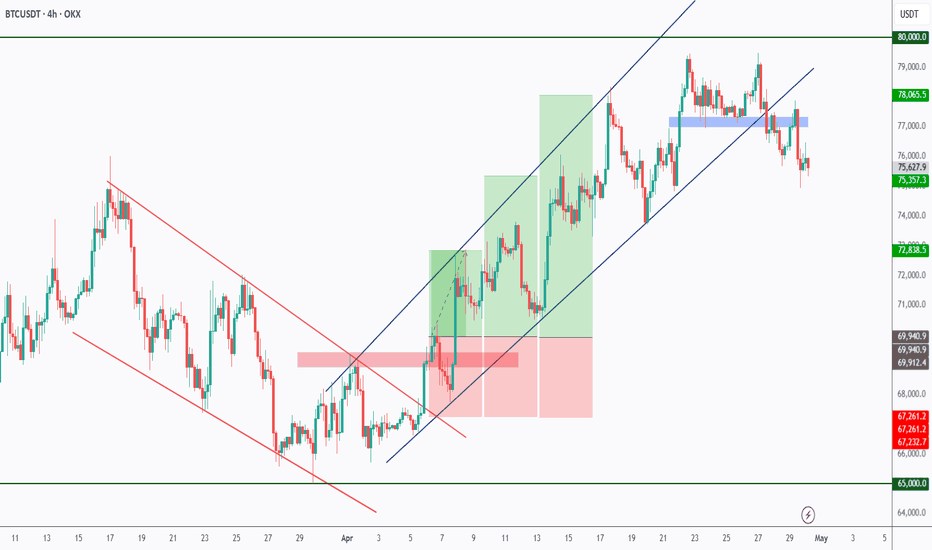
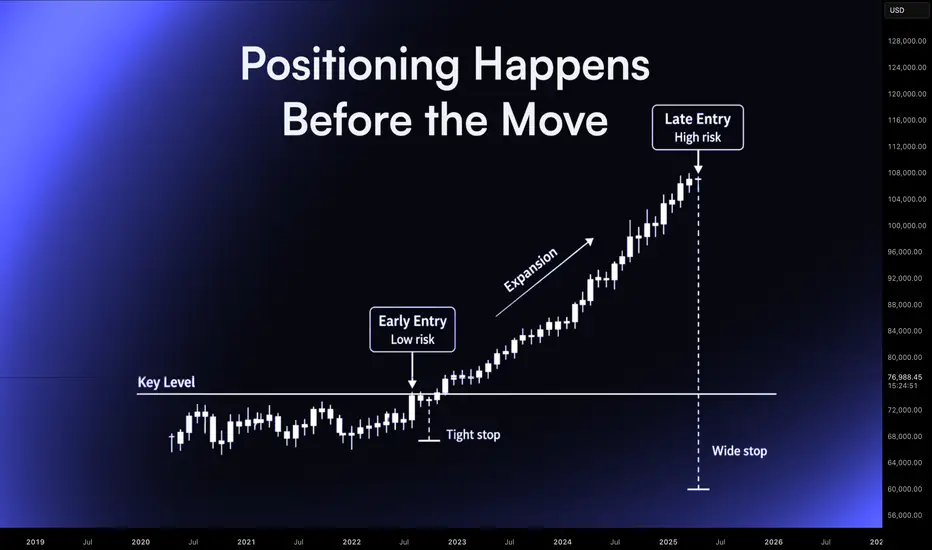
Positioning Before ConfirmationStrong moves do not begin where they look strongest. They begin where uncertainty is highest.
Most traders enter after confirmation. Price breaks structure, momentum appears, and the direction feels clear. At that point, participation increases and the move becomes obvious. What is often missed is that this phase typically occurs closer to the next liquidity objective than to the origin of the move.
The trade still works sometimes, but the risk profile has already changed. Invalidation becomes distant, stops become inefficient, and the asymmetry that existed earlier is no longer present.
Positioning happens before that.
When price approaches a meaningful level, liquidity is active and both sides are still participating. This creates hesitation, overlapping candles, and imperfect structure. From a visual perspective, the setup looks less clean. From a structural perspective, it is more efficient.
This is where invalidation is closest. If the level holds, the trade develops from a position of controlled risk. If it fails, the loss is small and defined.
The difficulty is psychological. Early positioning rarely feels comfortable because the outcome is still uncertain. Traders often interpret this uncertainty as weakness rather than as a necessary phase of the move.
As a result, they wait.
By the time confirmation appears, risk has already expanded. The trade feels better, but the opportunity has deteriorated.
The distinction is not between right and wrong entries. It is between efficient and inefficient ones.
Efficient entries occur when structure, location, and liquidity align, even if the move has not yet developed. Inefficient entries occur when the move is already underway and risk has increased relative to reward.
The market does not reward comfort. It rewards positioning. XDC: potential pullback ahead? key levels to watch nowXDC Network – ready for the next leg or was that it? Lately XDC has been riding the wave of renewed interest in real world asset and enterprise chains, and according to market chatter some fresh partnerships and ecosystem updates are back on the radar. Today price ripped straight into a previous supply zone, and you can see buyers finally waking up on the 4H chart.
On the 4H, price just tapped that thick red resistance block above while RSI pushed into the 60s, so momentum is bullish but a bit stretched. I’m leaning long overall, but I’d rather let it cool off into the green demand zone around 0.031–0.032 where volume is stacked and prior resistance flipped to support. If bulls defend that area, we could see another push toward the upper supply bands marked above.
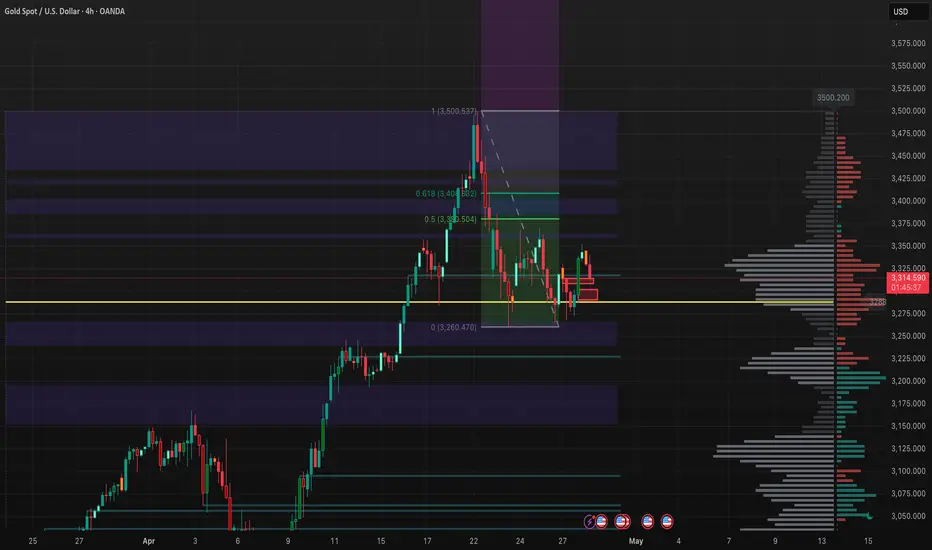
My game plan: I’m watching for a pullback into that green box with a bounce and strong 4H candle to consider entries, targeting the next red zones above as potential take‑profit areas ✅. If price slices back below the bottom of the green zone, then this breakout turns into a fakeout and opens room for a deeper dip, where I step aside. I might be wrong, but for now XDC still looks like a buy‑the‑dip play, not a chase‑the‑wick one. HOW-TO: Grid in TradingViewZenAlgo - Grid is an overlay tool designed to map a structured Fibonacci execution framework directly onto price. Instead of using a fixed manual fib drawing every time, the script can anchor itself automatically from detected swing structure or use manually selected start and end points.
The purpose of Grid is to turn a price swing into a practical reaction map. It highlights key retracement areas, the Golden Pocket, entry and take-profit levels, and an extension target zone, while keeping the whole framework visually tied to current chart structure.
How to read Grid
At its core, Grid builds a directional range between two anchor points and projects a Fibonacci-based map from that range.
- The main anchor line defines the active swing leg.
- The retracement levels create the internal reaction grid.
- ENTRY and TP levels help organize the move into practical zones.
- The 0.618 to 0.65 area highlights the Golden Pocket.
- The 1.272 to 1.618 area marks the extension target zone.
- Manual anchors allow precise control, while auto anchors adapt to detected market structure.
This makes Grid useful not just as a drawing tool, but as a structured way to read pullbacks, continuation zones, and projected targets on live price action.
How Grid is built
The script can work in two modes.
- In manual mode, the range is anchored from user-defined start and end times.
- In automatic mode, the script uses swing structure and pivot logic to determine the active move.
- The anchor direction determines whether the grid is projected as bullish or bearish.
- The line color reflects that directional bias.
This means the indicator is always trying to map the currently relevant swing rather than forcing the user to redraw levels from scratch every time.
Main levels inside the Grid
Grid uses a custom retracement ladder built around practical trading zones.
- 0.146 is labeled as ENTRY.
- 0.236, 0.382, 0.5, 0.618, 0.786, and 1.0 act as progression levels and targets.
- The 0.618 to 0.65 area is highlighted as the Golden Pocket.
- The 1.272 to 1.618 area is highlighted as the extension target zone.
This gives the user both a reaction framework and a continuation framework in the same layout.
Why this matters
Many traders draw fibs manually, but the practical problem is usually not the drawing itself. The real problem is consistency: identifying the correct swing, keeping the map structured, and using the same logic across different market conditions.
Grid helps solve that by turning one active move into a repeatable execution map. Instead of focusing on random price reactions, it helps organize the chart into pullback zones, continuation areas, and projected extension targets.
Example scenarios
The real value of Grid appears when the levels are read as a map, not as isolated lines. A single fib level alone is rarely enough. What matters is how price reacts inside the structure, whether the move respects the active swing, and whether the reaction happens inside a meaningful zone such as ENTRY, Golden Pocket, or the extension box.
Bullish continuation from the ENTRY zone
In this scenario, price pulls back into the early retracement area after an upward swing has already been established. Rather than treating the retrace as random weakness, Grid frames it as a structured return into the active range.
If price stabilizes around ENTRY or the nearby retracement levels and starts to hold the bullish swing structure, the move can be read as continuation rather than reversal. This is where Grid helps separate a healthy pullback from a true breakdown.
Deep pullback into the Golden Pocket
This is one of the clearest use cases for Grid. Price retraces deeper into the 0.618 to 0.65 zone, which is highlighted directly on the chart. Instead of guessing where the most meaningful reaction area might be, the user already has a clearly defined pocket for deeper pullback behavior.
If price responds constructively inside that box, the Golden Pocket becomes a high-interest area for continuation monitoring. The value here is not prediction by itself, but the ability to focus attention where reaction quality matters most.
Bearish continuation after failed reclaim
Grid works the same way in reverse. In a bearish swing, price may attempt a recovery back into the retracement ladder, but fail to reclaim the upper levels with strength. In that case, the grid acts as a map of resistance rather than support.
This makes it easier to interpret whether a bounce is actually rebuilding strength or simply retracing into a structured sell-side zone before continuation lower.
Expansion into the 1.272–1.618 target zone
Once price confirms continuation, Grid does not stop at the retracement map. The 1.272 to 1.618 area projects a forward extension zone, which helps frame what a fully developed move could look like.
This is especially useful after the market has already respected the internal retracement structure. At that point, the extension box gives the chart a clean continuation objective without requiring a separate projection tool.
Structure context
Behind the grid, the script also contains pivot-based structure logic. It tracks internal and external swings and can label break / change-style events when enabled. In automatic mode, this structure contributes to how the active move is selected and how the main anchor line is maintained.
That matters because Grid is not just drawing random fibs from arbitrary highs and lows. It is trying to tie the fib map to an actual structural move on the chart.
How to best use it
Grid works best as a structured charting and execution aid rather than a standalone reason to trade.
- Use it to frame pullbacks inside an active swing.
- Watch how price behaves at ENTRY, mid-level retracements, and the Golden Pocket.
- Use the extension box to map where continuation could reasonably expand.
- Switch to manual anchors when you want full control over the measured move.
- Combine the grid with market structure, VWAP, volume profile, or higher timeframe levels.
Summary
ZenAlgo - Grid is designed to convert a live market swing into a practical execution map. By combining automatic or manual anchoring, retracement levels, Golden Pocket highlighting, and forward target projection, it helps the user read where price is pulling back, where continuation may develop, and where extension objectives begin to matter. Education 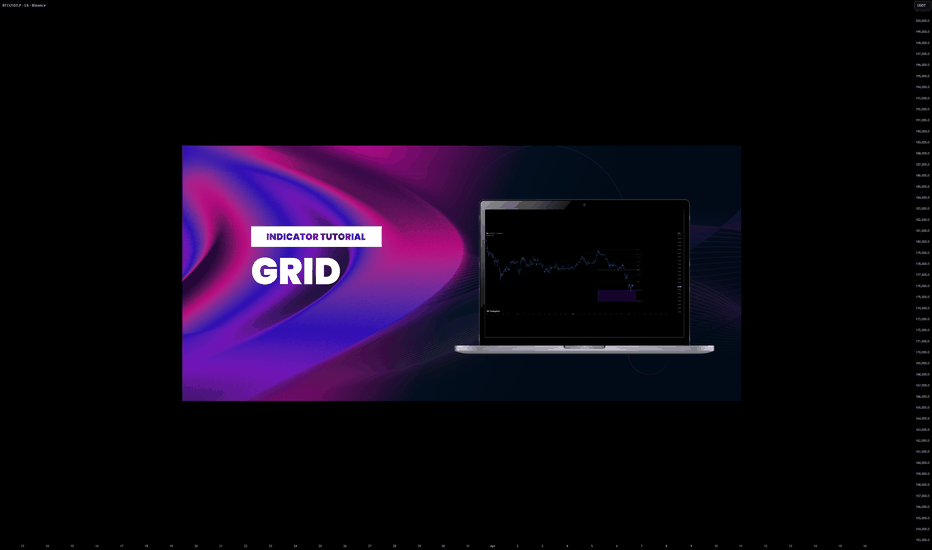
WIFUSDT: bounce or breakdown? key levels to watch todayWIFUSDT
Are memecoins about to get a second wind, or is this bounce done? According to the market, meme names cooled off after the last hype spike, but funding and open interest are stabilizing again. Today we saw headlines about renewed interest in dog coins, and WIF barely flinched on the dip – that usually means strong hands are still in.
On the 4H chart, price is sitting right on that thick orange demand zone around 0.17, where we had the last sharp bounce. Volume has been heavier on dips into this area and RSI is near the lower band, hinting at seller exhaustion. As long as this orange block holds, I lean toward a short term long scenario back into the red supply zones above.
My plan: I’m stalking entries inside or just above the orange zone with targets toward the mid red area first, then the upper red band if momentum kicks in. Base case ✅ bounce toward previous local highs, but if 0.17 breaks clean and we close below into the green zone, I treat it as a failed setup and look for entries lower. I might be wrong, but for now this looks like classic “buy the fear, sell the hype” territory. Long 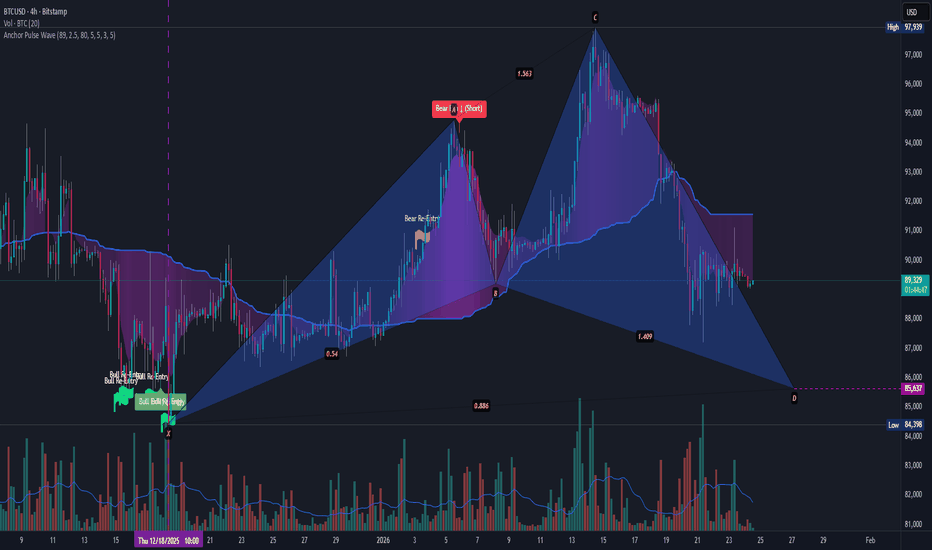
EURUSD Timeframe Conflict: Which direction is in play?Hi Traders!
EURUSD is trading at a higher-timeframe resistance near 1.18000. While monthly structure remains bullish, and may resemble a bullish flag, continuation has not yet been confirmed.
On the weekly timeframe, price seems to be in a range beneath resistance. Momentum has clearly slowed which puts price in consolidation rather than immediate continuation.
However, as I move down to the daily timeframe, the story may be different. With price failing to swing higher than 1.18000, a new bearish daily CHOCH has formed with a new higher low. If the daily bearish CHOCH is true, I'm looking for price to reach around that area for a retest, and possibly continuing a deeper pullback before any higher-timeframe attempt.
In addition, with DXY taken into consideration, it looks to me that price is attempting to make a double bottom on the weekly without a clear close below 97.500. This to me can seem like price may take another attempt at 100.000. Therefore, if the daily bullish CHOCH that was created is true, I am looking for a retest around 98.850 with signs of continuation.
A swing trade on EURUSD could be in play if my confirmations align. But for now, alerts are set near the bearish daily CHOCH, and DXY's bullish CHOCH.
If you've read this far, thank you! Leave a comment on what you think is possible!
*DISCLAIMER: I am not a financial advisor. The ideas and trades I take on my page are for educational and entertainment purposes only. I'm just showing you guys how I trade. Remember, trading of any kind involves risk. Your investments are solely your responsibility and not mine.*
 Short
Short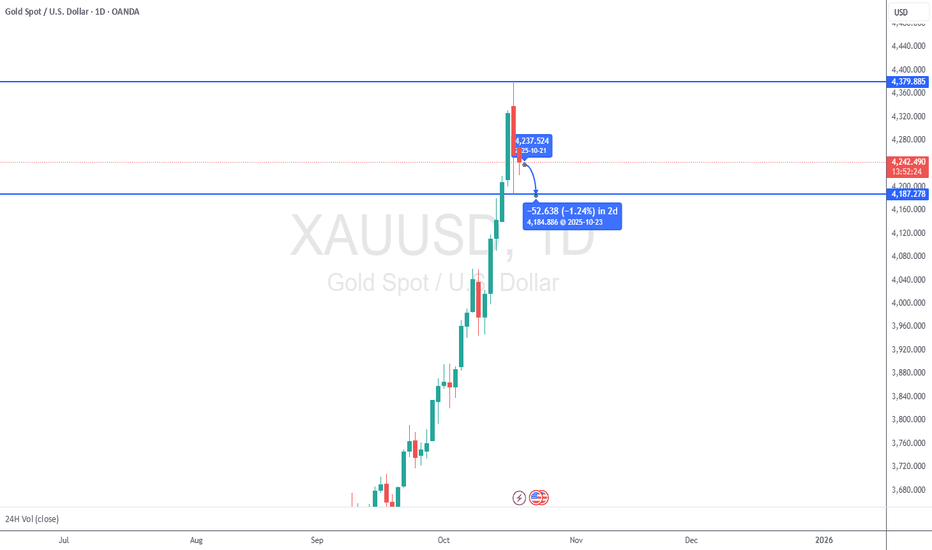
 Long
Long
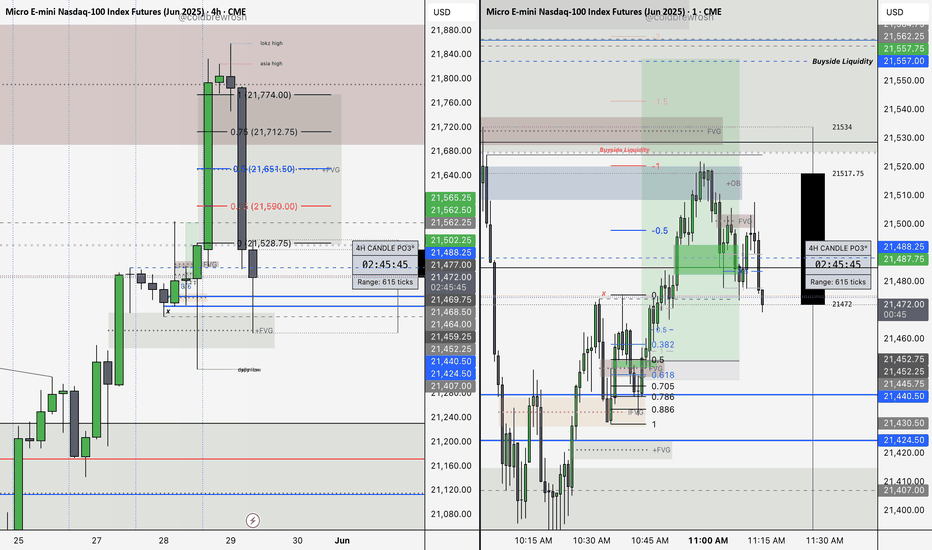
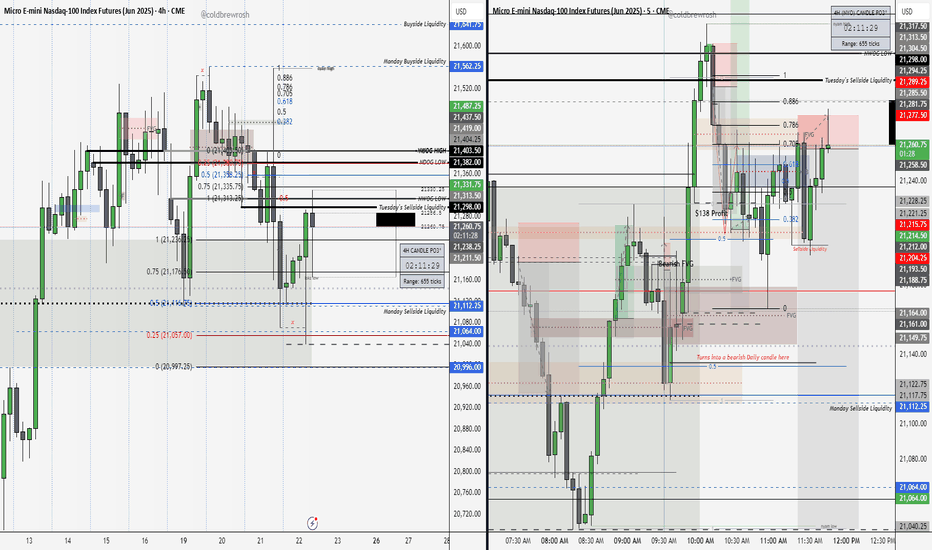
Long
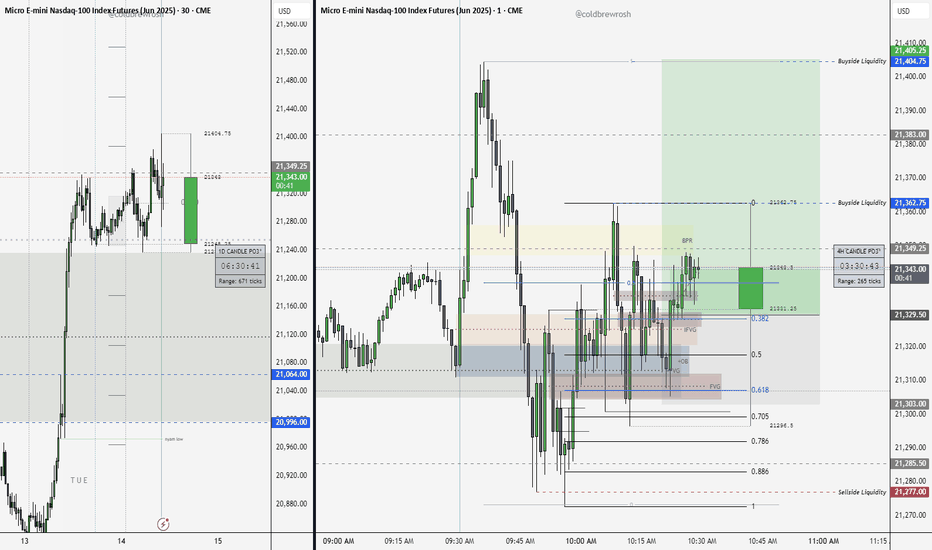
Long 
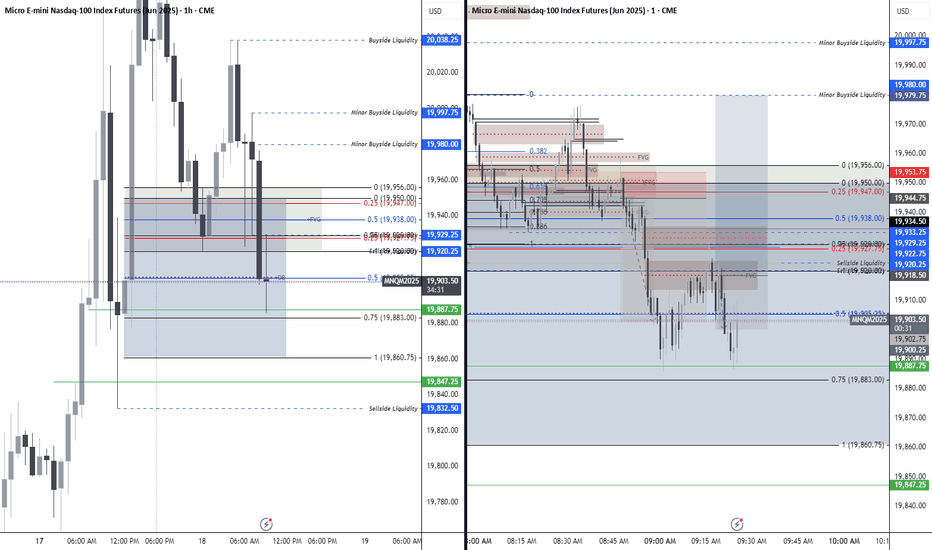
Missed trade opportunity on MNQ due to Tight SLOnce again, we shifted sl too soon and got stopped out of a good trade. It was nice to see the outcome, it ended up tapping inside of that Volume imbalance once again before falling over quickly for the remaining sellside liqudity.
If my SL was kept at the highs we would've captured the whole move. This week I have been feeling a little tired and my birthday is this thursday guys!! lol I would hate to have a bad trading week on my BDAY 😢. I don't know if that's why I am being so cautious, I wanna enjoy my week. haha
Anyways, I will post any new trades if I get into another one. But I might call it here depending on where price is at after I post this video.
If you guys enjoyed this give it a like and share with your friends(:
Forex, Crypto and Futures Trading Risk Disclosure:
The National Futures Association (NFA) and Commodity Futures Trading Commission (CFTC), the regulatory agencies for the forex and futures markets in the United States, require that customers be informed about potential risks in trading these markets. If you do not fully understand the risks, please seek advice from an independent financial advisor before engaging in trading.
Trading forex and futures on margin carries a high level of risk and may not be suitable for all investors. The high degree of leverage can work against you as well as for you. Before deciding to trade, you should carefully consider your investment objectives, level of experience, and risk appetite.
There is a possibility of losing some or all of your initial investment, and therefore, you should not invest money that you cannot afford to lose. Be aware of the risks associated with leveraged trading and seek professional advice if necessary.
BDRipTrades Market Opinions (also applies to BDelCiel and Aligned & Wealthy LLC):
Any opinions, news, research, analysis, prices, or other information contained in my content (including live streams, videos, and posts) are provided as general market commentary only and do not constitute investment advice. BDRipTrades, BDelCiel, and Aligned & Wealthy LLC will not accept liability for any loss or damage, including but not limited to, any loss of profit, which may arise directly or indirectly from the use of or reliance on such information.
Accuracy of Information: The content I provide is subject to change at any time without notice and is intended solely for educational and informational purposes. While I strive for accuracy, I do not guarantee the completeness or reliability of any information. I am not responsible for any losses incurred due to reliance on any information shared through my platforms.
Government-Required Risk Disclaimer and Disclosure Statement:
CFTC RULE 4.41 - HYPOTHETICAL OR SIMULATED PERFORMANCE RESULTS HAVE CERTAIN LIMITATIONS. UNLIKE AN ACTUAL PERFORMANCE RECORD, SIMULATED RESULTS DO NOT REPRESENT ACTUAL TRADING. ALSO, SINCE THE TRADES HAVE NOT BEEN EXECUTED, THE RESULTS MAY HAVE UNDER-OR-OVER COMPENSATED FOR THE IMPACT, IF ANY, OF CERTAIN MARKET FACTORS, SUCH AS LACK OF LIQUIDITY. SIMULATED TRADING PROGRAMS IN GENERAL ARE ALSO SUBJECT TO THE FACT THAT THEY ARE DESIGNED WITH THE BENEFIT OF HINDSIGHT. NO REPRESENTATION IS BEING MADE THAT ANY ACCOUNT WILL OR IS LIKELY TO ACHIEVE PROFIT OR LOSSES SIMILAR TO THOSE SHOWN.
Performance results discussed in my content are hypothetical and subject to limitations. There are frequently sharp differences between hypothetical performance results and the actual results subsequently achieved by any particular trading strategy. One of the limitations of hypothetical trading results is that they do not account for real-world financial risk.
Furthermore, past performance of any trading system or strategy does not guarantee future results.
General Trading Disclaimer:
Trading in futures, forex, and other leveraged products involves substantial risk and is not appropriate for all investors.
Do not trade with money you cannot afford to lose.
I do not provide buy/sell signals, financial advice, or investment recommendations.
Any decisions you make based on my content are solely your responsibility.
By engaging with my content, including live streams, videos, educational materials, and any communication through my platforms, you acknowledge and accept that all trading decisions you make are at your own risk. BDRipTrades, BDelCiel, and Aligned & Wealthy LLC cannot and will not be held responsible for any trading losses you may incur. Short
 Long
Long
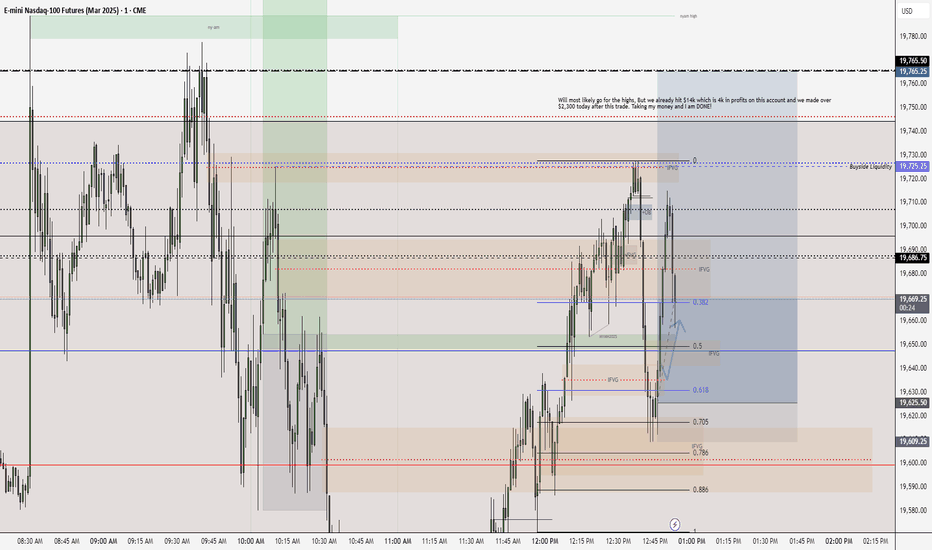
$1,000+ Profit on NQ with this one tradeGive this post a like and if we get it to 100 likes I will post on my YT the entry to this trade as well as an explanation as to why I entered here.
Forex, Crypto and Futures Trading Risk Disclosure:
The National Futures Association (NFA) and Commodity Futures Trading Commission (CFTC), the regulatory agencies for the forex and futures markets in the United States, require that customers be informed about potential risks in trading these markets. If you do not fully understand the risks, please seek advice from an independent financial advisor before engaging in trading.
Trading forex and futures on margin carries a high level of risk and may not be suitable for all investors. The high degree of leverage can work against you as well as for you. Before deciding to trade, you should carefully consider your investment objectives, level of experience, and risk appetite.
There is a possibility of losing some or all of your initial investment, and therefore, you should not invest money that you cannot afford to lose. Be aware of the risks associated with leveraged trading and seek professional advice if necessary.
BDRipTrades Market Opinions (also applies to BDelCiel and Aligned & Wealthy LLC):
Any opinions, news, research, analysis, prices, or other information contained in my content (including live streams, videos, and posts) are provided as general market commentary only and do not constitute investment advice. BDRipTrades, BDelCiel, and Aligned & Wealthy LLC will not accept liability for any loss or damage, including but not limited to, any loss of profit, which may arise directly or indirectly from the use of or reliance on such information.
Accuracy of Information: The content I provide is subject to change at any time without notice and is intended solely for educational and informational purposes. While I strive for accuracy, I do not guarantee the completeness or reliability of any information. I am not responsible for any losses incurred due to reliance on any information shared through my platforms.
Government-Required Risk Disclaimer and Disclosure Statement:
CFTC RULE 4.41 - HYPOTHETICAL OR SIMULATED PERFORMANCE RESULTS HAVE CERTAIN LIMITATIONS. UNLIKE AN ACTUAL PERFORMANCE RECORD, SIMULATED RESULTS DO NOT REPRESENT ACTUAL TRADING. ALSO, SINCE THE TRADES HAVE NOT BEEN EXECUTED, THE RESULTS MAY HAVE UNDER-OR-OVER COMPENSATED FOR THE IMPACT, IF ANY, OF CERTAIN MARKET FACTORS, SUCH AS LACK OF LIQUIDITY. SIMULATED TRADING PROGRAMS IN GENERAL ARE ALSO SUBJECT TO THE FACT THAT THEY ARE DESIGNED WITH THE BENEFIT OF HINDSIGHT. NO REPRESENTATION IS BEING MADE THAT ANY ACCOUNT WILL OR IS LIKELY TO ACHIEVE PROFIT OR LOSSES SIMILAR TO THOSE SHOWN.
Performance results discussed in my content are hypothetical and subject to limitations. There are frequently sharp differences between hypothetical performance results and the actual results subsequently achieved by any particular trading strategy. One of the limitations of hypothetical trading results is that they do not account for real-world financial risk.
Furthermore, past performance of any trading system or strategy does not guarantee future results.
General Trading Disclaimer:
Trading in futures, forex, and other leveraged products involves substantial risk and is not appropriate for all investors.
Do not trade with money you cannot afford to lose.
I do not provide buy/sell signals, financial advice, or investment recommendations.
Any decisions you make based on my content are solely your responsibility.
By engaging with my content, including live streams, videos, educational materials, and any communication through my platforms, you acknowledge and accept that all trading decisions you make are at your own risk. BDRipTrades, BDelCiel, and Aligned & Wealthy LLC cannot and will not be held responsible for any trading losses you may incur. Long
 Short
Short


 Long
Long Short
Short