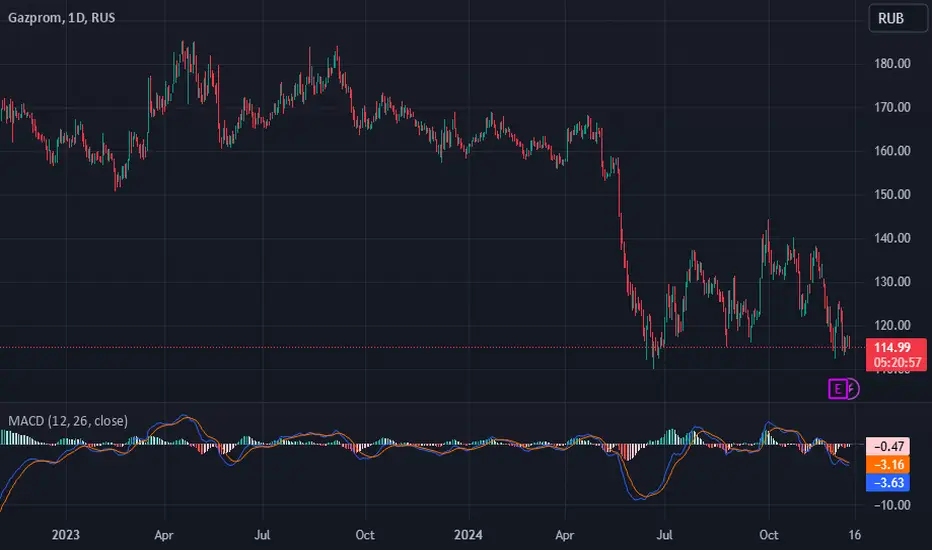
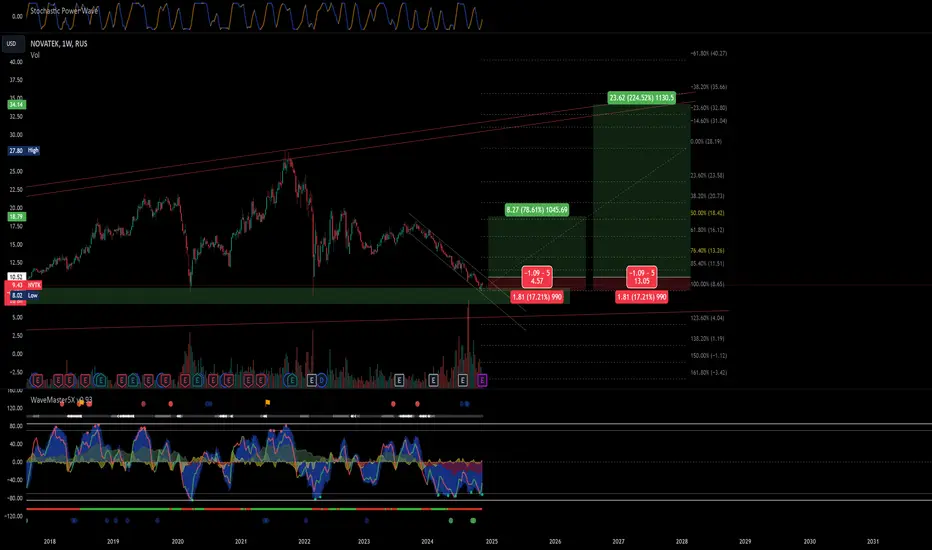
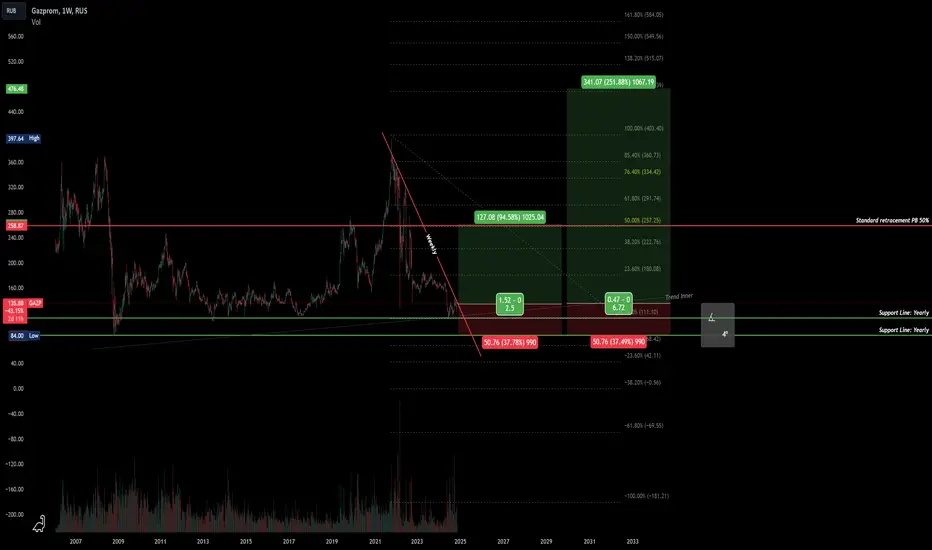
Long
Long
 Short
Short
 Short
Short
 Long
Long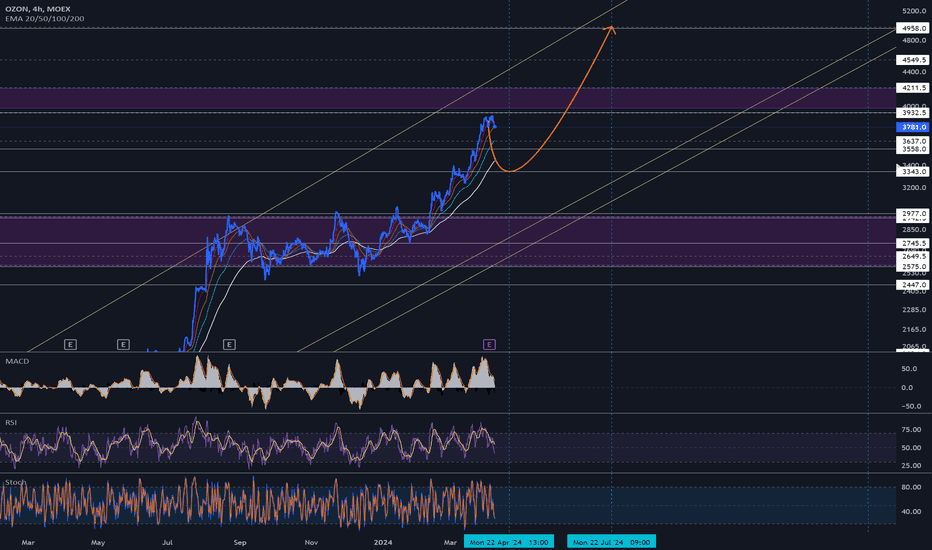
 Long
Long
 Long
Long
 Short
Short
Navigating Sanctions: Ruble Transaction and Energy SettlementsThe inclusion of Gazprombank in the sanctions list has introduced significant challenges to payment transactions, particularly those involving the Russian ruble. Due to the necessity of involving Russian correspondent banks, ruble settlements now carry considerable risks. Most Russian banks being under sanctions exacerbates these complications, rendering ruble transactions a sensitive and largely opaque area.
Here are 4 key observations:
1. Ruble Settlements and Sanctions Risk: Any acknowledgment of ruble transactions could be interpreted as a sanctions violation. As a result, the focus has shifted toward preserving settlements in Western currencies or those of "friendly" countries. These funds eventually enter Russia through intricate and less transparent financial circuits.
2. Offshore Ruble Market Feasibility: The creation of an offshore ruble market appears unlikely at this stage. Companies operating internationally often receive payments in dollars or euros but face challenges converting these into rubles for domestic operations. This reliance underscores the fragility of the existing external financial circuit.
3. Corporate Adaptation Examples:
Lukoil: This energy giant uses accounts in Middle Eastern banks to receive foreign currencies . While these transactions provide temporary access to rubles, they remain exceptional rather than standard practice.
Rosneft: The company has restructured its oil sales strategy. By using subsidiaries in India to refine crude and sell petroleum products, Rosneft creates a less transparent financial flow. Although high oil prices currently mitigate risks, a potential decline in prices could expose vulnerabilities in this approach.
4. Fragmentation of Settlement Schemes: As old financial pathways are dismantled, companies are left to develop individualized settlement and supply chain models. This fragmented landscape reflects the absence of a unified solution, with each entity navigating unique challenges.
Outlook:
The ongoing evolution of financial and supply chain structures will require adaptability from both companies and financial institutions. High energy prices provide temporary relief, but sustained stability will depend on the development of resilient, transparent systems that can withstand potential downturns. While a unified framework seems improbable in the near term, understanding and anticipating these shifts will be critical for stakeholders operating within and outside Russia.
RUS:LKOH
RUS:ROSN Sanctions on Gazprombank- Impact on the European Energy MarketThe sanctions imposed on Gazprombank represent a significant challenge, but at the same time, they are not an insurmountable barrier to continuing payments for Russian gas. The OFAC sanctions framework often allows for exceptions, and in this case, we can anticipate mechanisms similar to general licenses that have already been granted to other Russian banks for energy-related transactions. However, the speed and transparency of this process remain uncertain, introducing additional risks for market participants.
Alternative payment solutions include using other banks covered by exemption lists or transitioning to alternative currencies. While such changes involve higher transactional costs, they are technically feasible. Europe, despite political pressures, is aiming to maintain Russian gas supplies due to the lack of immediate alternatives, especially given its infrastructural reliance on pipeline gas.
Maintaining even partial cooperation with Gazprom is inevitable, because a complete severance would lead to substantial economic losses and a further increase in gas prices. Moreover, energy relations are not a field where temporary pauses may occur without significant consequences. Central European countries would find themselves in an extremely vulnerable position if supplies were cut off, so compromises—potentially negotiated behind closed doors—are likely.
Russia's strategy involves not only for seeking alternative routes, such as boosting supplies through Turkey or to China, but also leveraging the current sanctions as a bargaining tool with European partners. Gazprom is likely to balance between minimizing losses and pursuing an escalation strategy, using the sanctions as a means to strengthen its negotiation position.
Conclusion:
The current situation underscores the need for flexibility and a willingness to negotiate on all possible sides. Both Europe and Russia must work toward compromise solutions to mitigate the repercussions of this new phase of sanctions policy.
EUREX:FMUR1!  Long
Long
 Long
Long
Long 
 Long
Long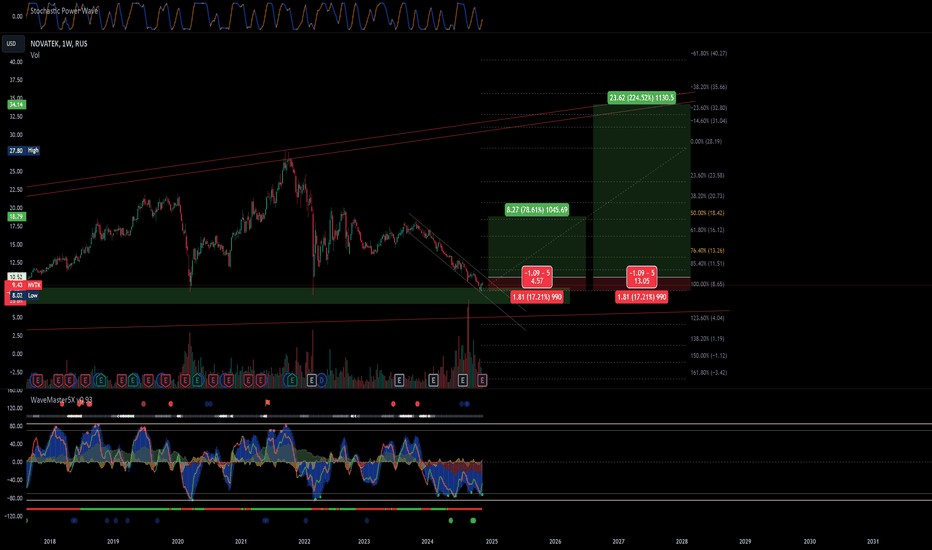
Long 
Long 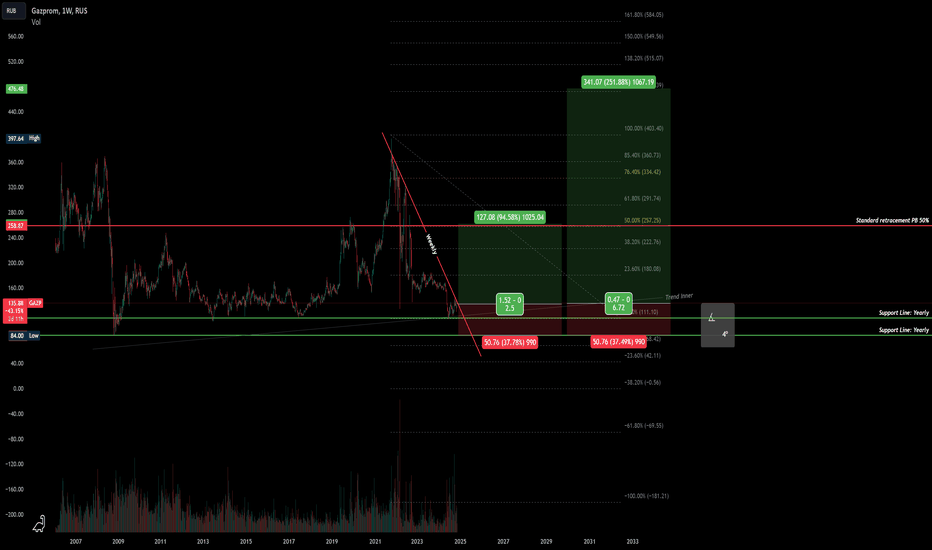
 Short
Short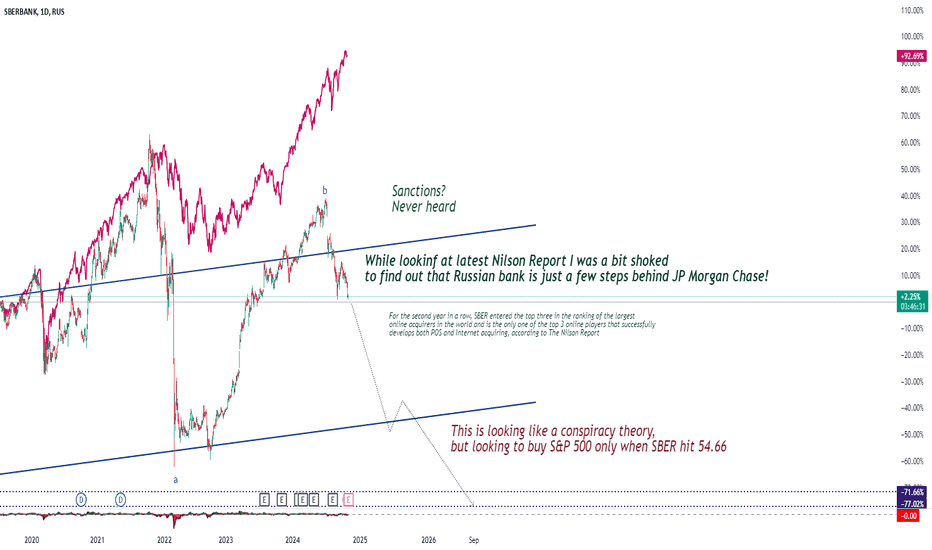
 Short
Short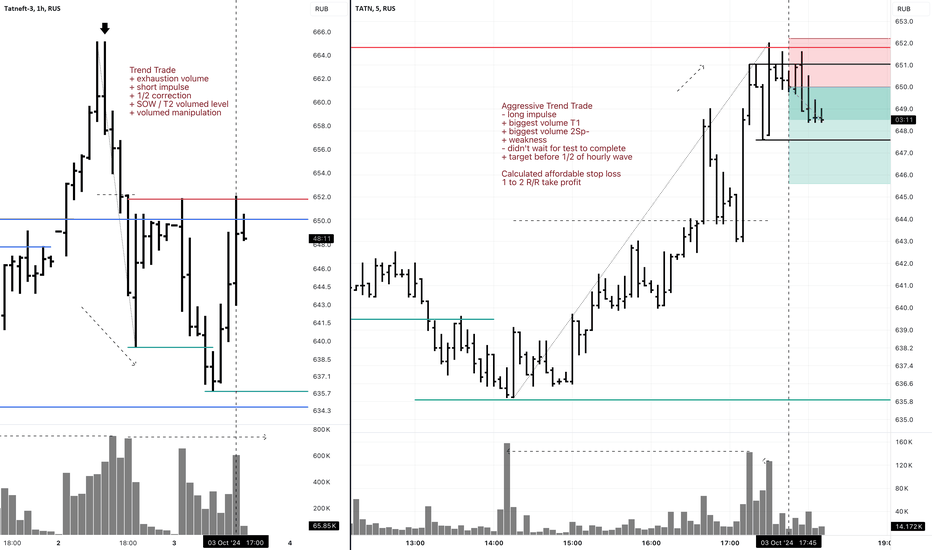
 Long
Long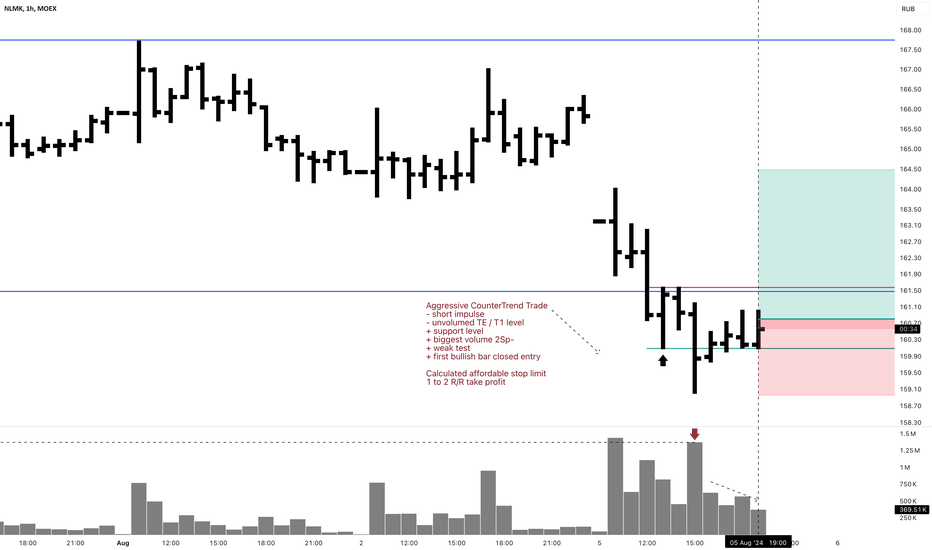
Long