Liminal BioSciences Inc.Liminal BioSciences Inc.Liminal BioSciences Inc.
DelistedDelisted

Liminal BioSciences Inc.

No trades
No trades

Peers for comparison


Company info


CEO
Bruce Philip Pritchard
Headquarters
East Belleville
Founded
1994
ISIN
CA53272L2021
CUSIP
53272L202
Identifiers
ISIN CA53272L2021
Liminal BioSciences, Inc. operates as a clinical stage biopharmaceutical company. The firm focuses on developing distinctive novel small molecule therapeutics for inflammatory, fibrotic, and metabolic diseases using drug discovery platform and a data driven approach. The firm has business operations in Canada and the United Kingdom. Its small molecule product candidate, fezagepras, has completed a Phase 1 multi-ascending dose clinical trial and anticipate conducting a comparative Phase 1a single ascending dose clinical trial to provide comparative data to support development plan. The company was founded on October 14, 1994 and is headquartered in Laval, Canada.
Performance
Revenue to profit conversion
Debt level and coverage
EPS
Next:—

See all ideas 

Frequently asked questions


Delisting occurs when a security is removed from a stock exchange, either voluntarily or involuntarily. It happens for various reasons: some companies delist after ceasing operations, while others do so as a result of bankruptcy. Other reasons include merging with another company, failing to meet listing requirements, or the transition to private ownership.
Yes, in some cases. Delisted shares may regain value if the company improves its financial condition, emerges from bankruptcy, is acquired, or continues operating successfully in over-the-counter (OTC) markets.

However, delisting is often a sign of financial or regulatory problems, and many delisted stocks never recover. In bankruptcy proceedings, shareholders may receive little or no compensation.

Before investing in a delisted company, it's important to understand why the stock was delisted and whether the business is still operating.
A stock's fate depends on the way the company delisted. If it delisted voluntarily, its shareholders typically receive cash as a buyout or corresponding shares in the acquiring company. However, when a company is forced to delist, shareholders have to either find a buyer on the exchange, or keep holding shares of an unlisted company.
Yes, a delisted company can sometimes relist on a stock exchange. To do so, it typically must meet the exchange's listing requirements, which may include minimum standards for share price, market capitalization, financial performance, and corporate governance.

Relisting is more common when a company was delisted due to temporary financial difficulties or regulatory issues that were later resolved. However, not all delisted companies successfully return to public exchanges.

Investors should review the reasons for the original delisting and the company's current financial condition when evaluating relisting prospects.
Sometimes, yes. Delisted shares may continue trading on over-the-counter (OTC) markets, where investors can still buy and sell them. However, trading volume is often lower, which can make it harder to find buyers and may result in wider bid-ask spreads.

If the company was acquired, taken private, or liquidated, shareholders may instead receive cash, shares in another company, or other compensation.

The outcome depends on the reason for the delisting, so investors should review the company's delisting announcement and corporate actions for details.
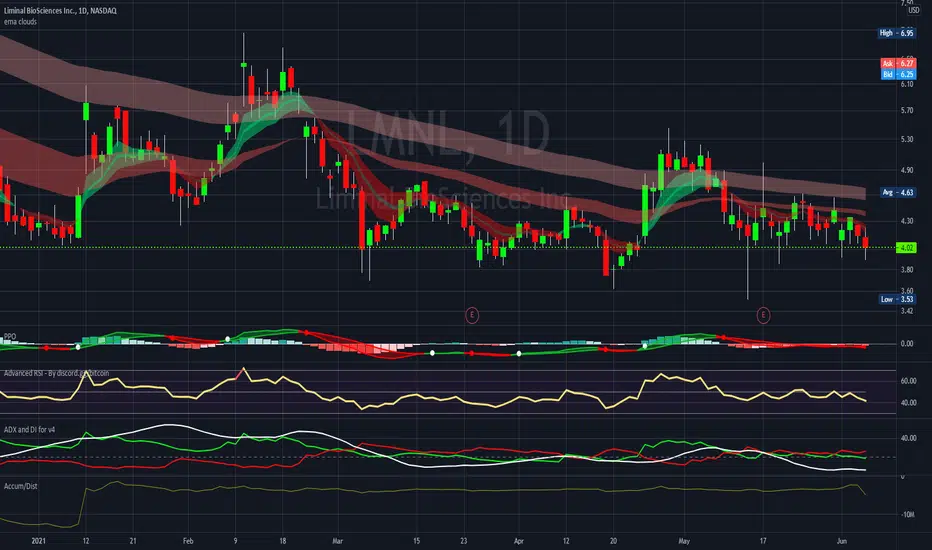
LMNL reached its all-time high of 27,739.00 USD on Apr 28, 2016, and its all-time low of 3.10 USD on Jan 3, 2023. View more price dynamics on LMNL chart.

See other stocks reaching their highest and lowest prices.