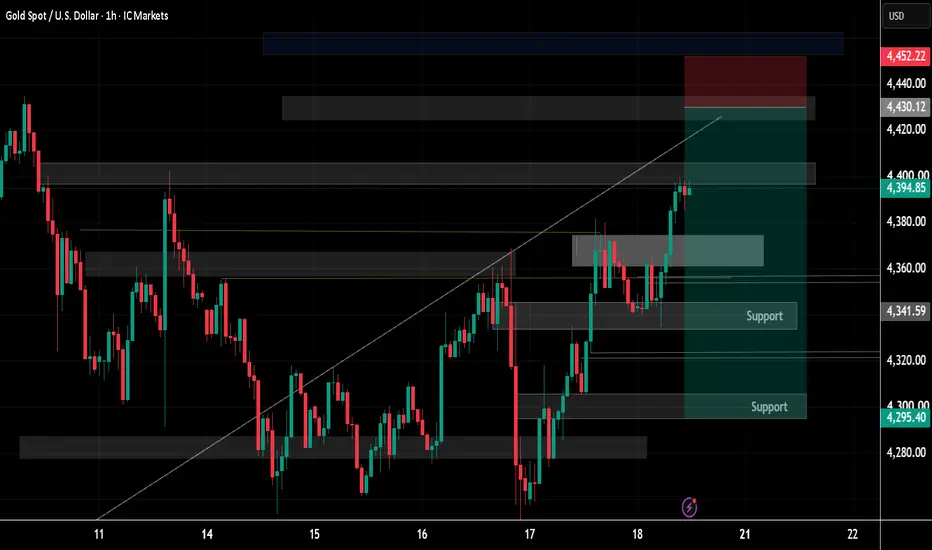
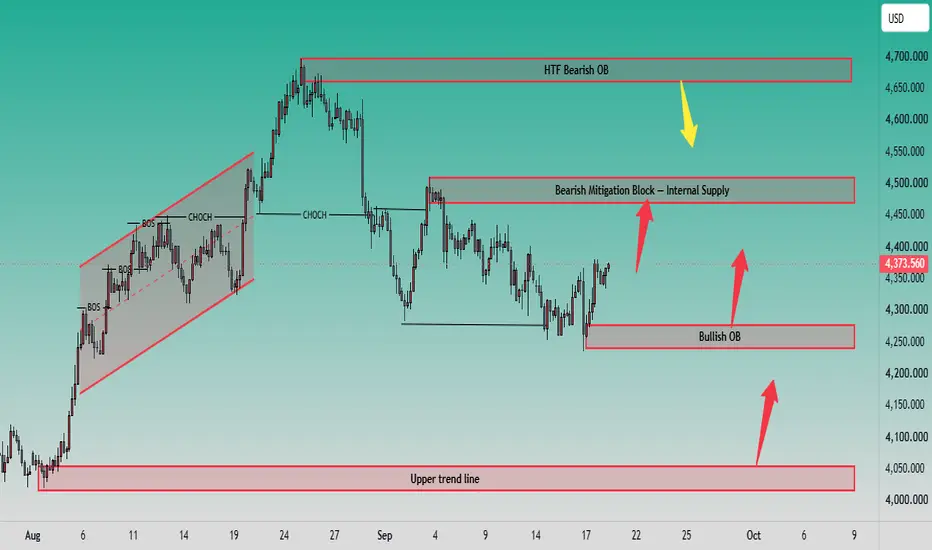
XAU/USD: THE 3,850 DOUBLE RESISTANCE TRAP!🪙 🛑
Rejection confirmed at the 4,030 zone. Are you blindly buying this minor bounce, or are you scaling into a premium institutional short? 🤔
Safe-haven demand is facing severe headwinds as the US dollar maintains absolute dominance across the board. On this 1-hour OANDA chart, gold remains heavil
Futures market
Gold 30Min Engaged ( Bullish Reversal Detected )HANZO MARKET LIQUIDITY REPORT
Gold
Timeframe: 30min (Volume Basis)
Scale: Higher Timeframe Context / Deep Volume analysis
━━━━━━━━━━━━━━━━━━━━━━
Market Observation
This analysis is focusing on structural behavior, liquidity zones, Volume analysis
and key areas of interest within the current range.
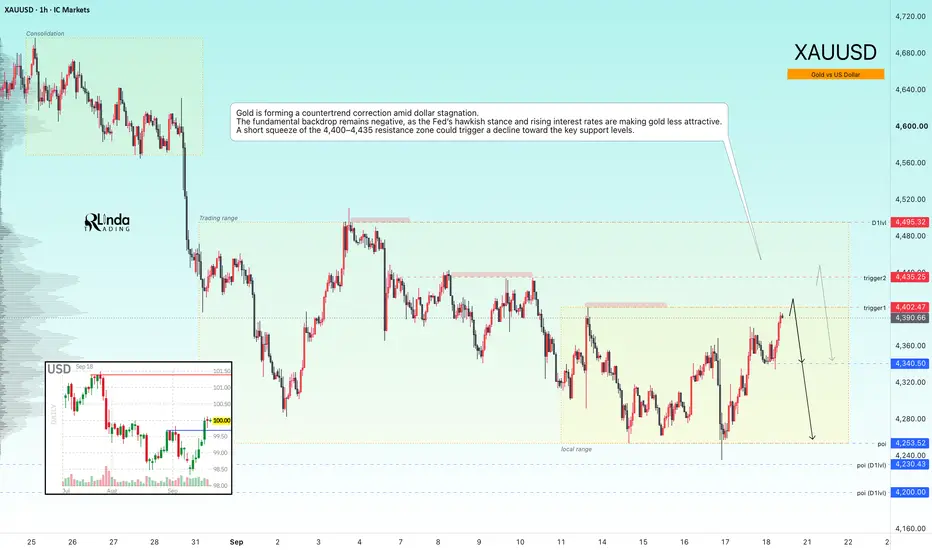
GOLD - A short squeeze before the decline continues toward 3900ICMARKETS:XAUUSD is hovering around the $4,000 mark on Monday, caught between bullish and bearish pressure as markets digest the ongoing escalation of tensions between the U.S. and Iran, while this week's U.S. economic calendar remains relatively light
The U.S. dollar remains in consolidation,
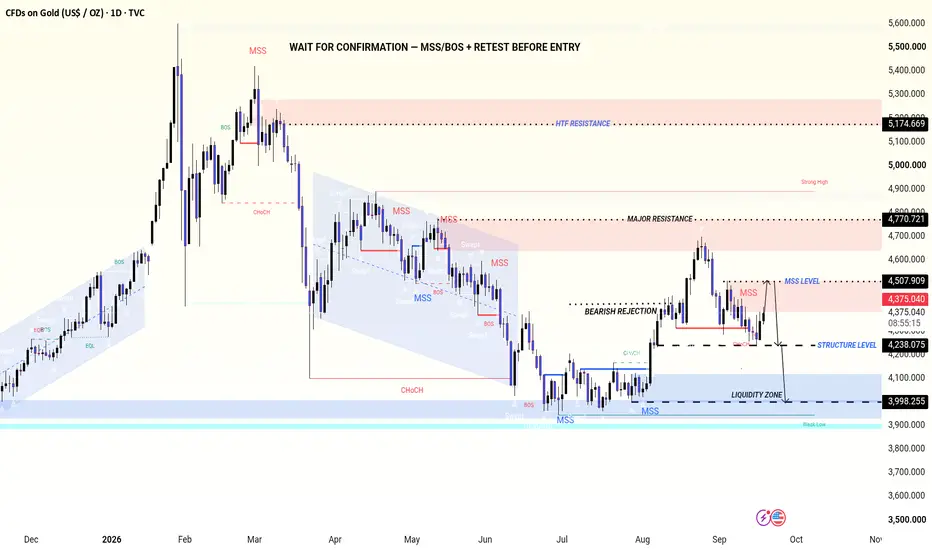
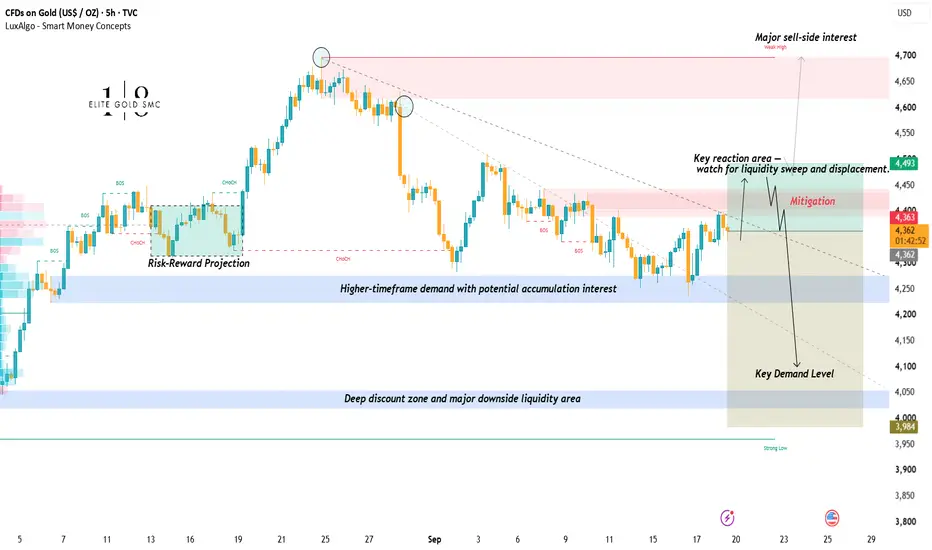
Gold Market Outlook | Structure, Trend & Important Reaction AreaThis 4H Gold (XAUUSD) chart represents a complete price action and Smart Money Concept analysis, focusing on market structure, liquidity movement, and key institutional reaction zones. The chart highlights how price is moving within a broader bearish structure while approaching important demand and
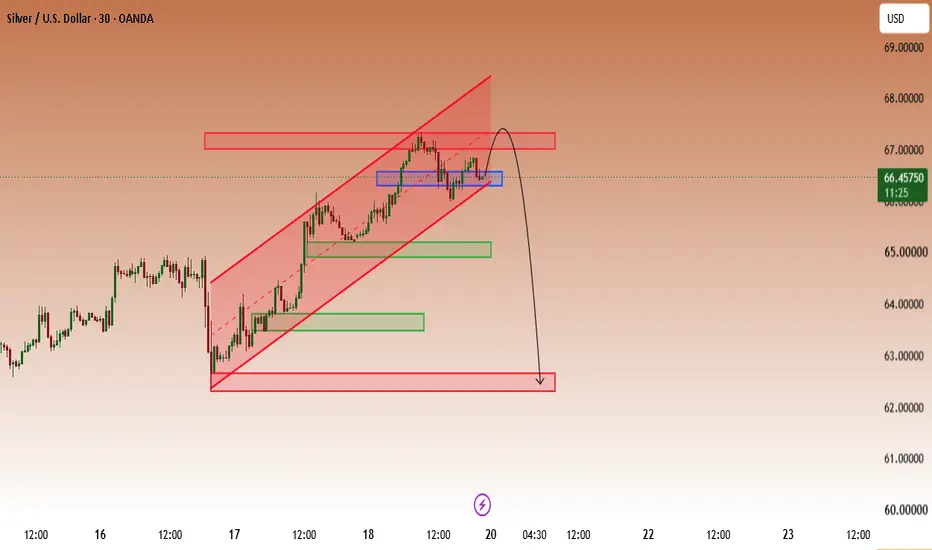
XAU/USD | Same as Silver - bearish for the time beingAs you can see in the 4H chart of Gold, it managed to finally sweep the liquidity below the 3960 and then it bounced back up, going as high as 4030 level, currently being traded at around 4020 level, being rejected by the supply zone.
Same as Silver, Gold is also bearish in the grand scheme of thi
Entry Zone: 4025 – 4040...🔴 XAUUSD | SELL SETUP
📍 Entry Zone: 4025 – 4040
🎯 Profit Targets:
🥇 TP1: 3990
🥈 TP2: 3955
🥉 TP3: 3935
🛡️ Stop Loss:
4055 (above the channel resistance)
📊 Market Analysis
✅ Price is respecting the descending channel.
✅ Multiple rejections from the upper trendline suggest sellers remain active.
✅
Gold: Safe-Haven Demand Could Fuel the Next RallyGold: Safe-Haven Demand Could Fuel the Next Rally
Gold has been without a clear direction for a long time. The movements over the past few weeks have been up and down without starting a new trend.
However, over the past week, Gold retested the 3960-3940 area and the price reaction was quite good,
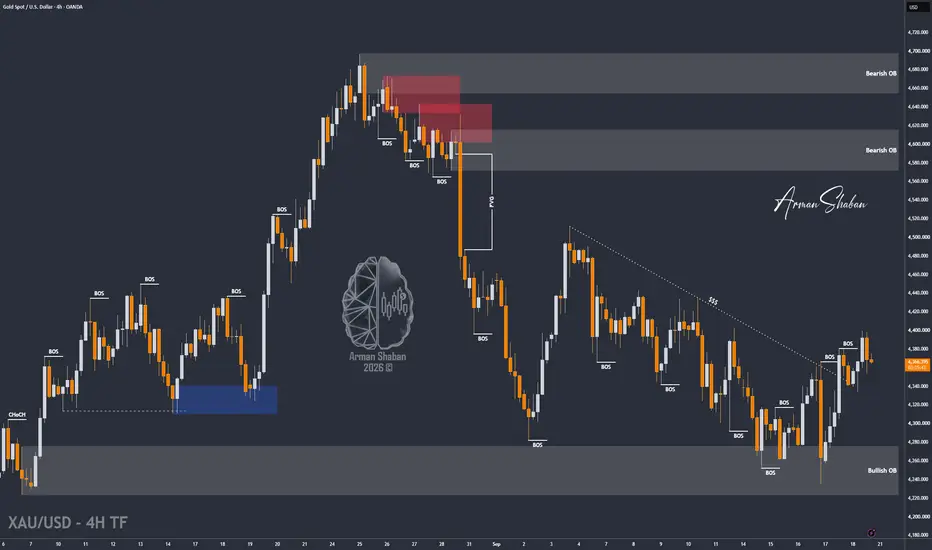
XAU/USD | More Fall Ahead ? (READ THE CAPTION)By analyzing the #Gold chart on the 2H timeframe, we can see that after the previous update, price first dropped toward $3959 and swept the liquidity resting below $3969.
After this liquidity sweep, buyers stepped in and pushed Gold higher toward the important $4040 supply zone. Once price reached
#XAUUSD: $3900 Is On The Way 1100+ Pips Intraday Selling SetupGold is currently trading between 4000 and 4150. We lack a clear view at the moment and the price could move in any direction without a discernible reason due to this range pattern. The current trading price is at a critical level with a strong sellers’ hold. A possible drop is coming and it’s lik
GOLD Price Update – Clean & Clear ExplanationGold is currently reacting at a critical technical level, where previous support has turned into resistance while the descending trendline continues to cap bullish momentum. This confluence makes the current zone a major decision area, with both buyers and sellers fighting for control.
At the momen
See all popular ideas
Quotes
Futures collections
Frequently asked questions
A futures contract is a legal agreement to buy or sell an asset (such as a commodity or security) at a set price on a specific future date. The buyer agrees to purchase and receive the asset when the contract expires, while the seller agrees to deliver it at that time.
Most futures contracts are traded through centralized exchanges like the Chicago Board of Trade and the Chicago Mercantile Exchange (CME). But there's no need to leave TradingView to trade futures — you can do it right from your charts. Just check out the list of our integrated brokers and find the best one for your needs and strategy.
Before you start, it's crucial to do you research: perform technical analysis on the chart, evaluate risks, and test your strategy.
Energy futures are contracts tied to energy commodities — they're aimed at facilitating the trading of specific quantities of crude oil, natural gas, gasoline, etc. Energy futures allow producers, consumers, and traders to manage price volatility in energy markets or capitalize on future price movements.
Explore a wide range of energy futures with detailed stats directly on TradingView.
Agricultural futures are derivative contracts with agricultural commodities (wheat, corn, soybeans, etc.) as the underlying. They're widely used to trade standardized quantities of commodities, allowing farmers, food producers, and traders to hedge against price fluctuations or to profit from expected price changes in the agricultural market.
Browse a full list of agricultural futures with detailed stats directly on TradingView.
Futures market is a bustling place with many interested parties. Here are some key participants to keep in mind:
- Hedgers (traders using futures to protect their existing positions or trades from risk caused by market volatility or direction)
- Speculators (traders executing trades based on their price predictions)
- Arbitrageurs (traders trying to win from market inefficiency and price difference by buying and selling the underlying in different markets)
- Institutional investors
- Retail investors
- Hedgers (traders using futures to protect their existing positions or trades from risk caused by market volatility or direction)
- Speculators (traders executing trades based on their price predictions)
- Arbitrageurs (traders trying to win from market inefficiency and price difference by buying and selling the underlying in different markets)
- Institutional investors
- Retail investors
Futures markets are platforms where traders gather to buy and sell futures contracts. In the past, trading was performed physically: traders would come to a 'pit' in the trading floor and conduct trading by shouting and actively gesturing. But today, this is all done electronically.
In a futures market, buyers and sellers post margin to secure their positions, and profits or losses are settled daily through mark-to-market. At expiration, contracts are settled in cash or through physical delivery, though most traders close positions beforehand. Since futures offer flexibility and leverage, futures markets attract diverse participants: hedgers, speculators, arbitrageurs, institutional and retail investors.
Some of the largest futures markets today are the New York Mercantile Exchange (NYMEX), the Chicago Mercantile Exchange (CME), the Chicago Board of Trade (CBoT), and the Cboe Options Exchange (Cboe). They're registered with the Commodity Futures Trading Commission (CFTC), the main body in charge of futures markets regulation in the US. In other countries, futures markets are regulated by a corresponding national body.
In a futures market, buyers and sellers post margin to secure their positions, and profits or losses are settled daily through mark-to-market. At expiration, contracts are settled in cash or through physical delivery, though most traders close positions beforehand. Since futures offer flexibility and leverage, futures markets attract diverse participants: hedgers, speculators, arbitrageurs, institutional and retail investors.
Some of the largest futures markets today are the New York Mercantile Exchange (NYMEX), the Chicago Mercantile Exchange (CME), the Chicago Board of Trade (CBoT), and the Cboe Options Exchange (Cboe). They're registered with the Commodity Futures Trading Commission (CFTC), the main body in charge of futures markets regulation in the US. In other countries, futures markets are regulated by a corresponding national body.
Open interest is the total number of active futures contracts that haven’t been closed or expired. It reflects how much interest or participation exists in a market.
Traders use open interest to gauge market strength. For example, declining open interest often signals that traders are closing positions — a possible sign of a weakening trend.
Futures prices are mainly driven by supply and demand, economic indicators, and central bank policies. Disruptions like droughts or geopolitical tensions can affect supply, while inflation or interest rate changes shape investor expectations. These shifts influence how traders value future prices relative to current conditions.
Market sentiment and speculation also play a big role, with traders often reacting to news or forecasts before fundamentals change. Factors like storage costs, inventory levels, and contract expiration impact pricing too, especially in commodities. Seasonal trends, government policies, and even new technologies can further sway futures markets.
It's always best to test you skills in futures trading before going to the real markets. You can do it right on TradingView thanks to our Paper Trading functionality — just find the Paper trading icon on the trading panel and put your ideas to the test. You can also check out our Bar Replay feature — it simulates past price movements for strategy testing.